









Designed for resilience: Homes ready for rising waters


After months of intense heat, Pagasa officially announced the onset of the rainy season in early June.
While this brings relief from high temperatures, the return of torrential downpours also raises concerns about the increased risk of flooding.
Flooding, however, involves more than rising water levels. Water seepage can cause significant damage to homes and personal belongings, leading to structural deterioration, mold, mildew, and unhealthy conditions that attract insects and other pests.
In a country that faces an average of 20 typhoons a year and ranks as the world’s most disaster-prone for the fourth consecutive year, floodproofing should be standard practice in Filipino homes.
While Filipinos are known for their resilience, stronger preparedness is essential as climate risks grow more unpredictable. Fortunately, modern technology now offers more ways to design, build, and improve homes that can better withstand flooding and extreme weather conditions.
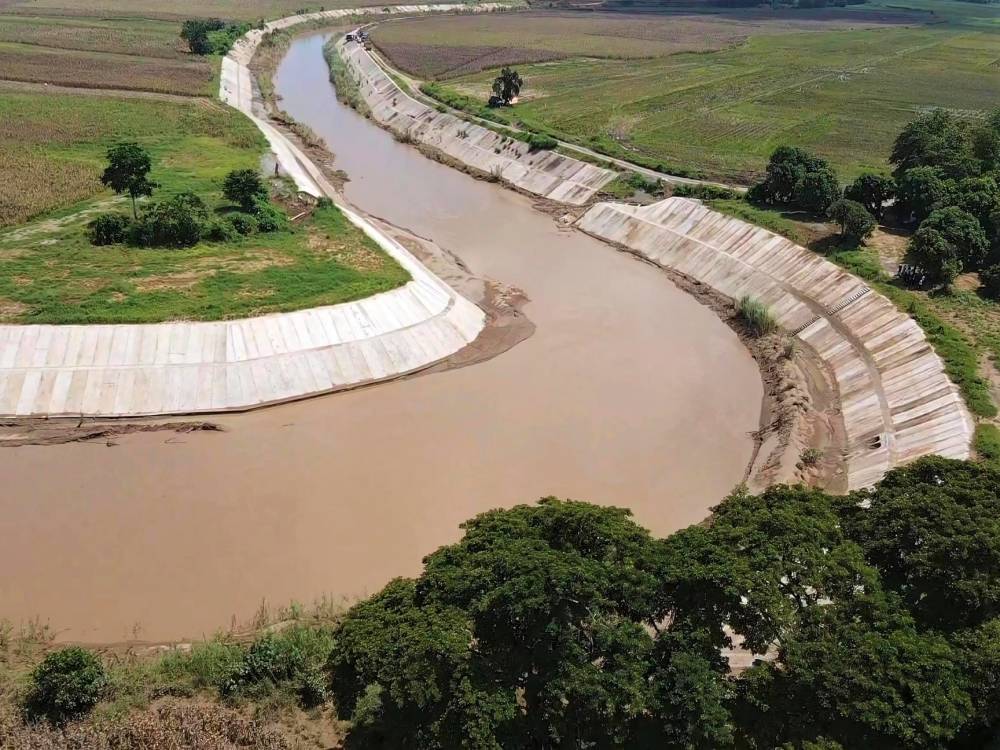
Aquadam
In 2016, Texas resident Randy Wagner installed an AquaDam around his property after discovering the system online—a decision that reportedly saved him thousands of dollars in repair costs when floods later struck his community.
According to its manufacturer, AquaDam is a temporary, water-filled perimeter flood barrier designed to control flood depths ranging from one to 10 feet. It consists of two watertight inner tubes enclosed within a woven outer sleeve.
Wagner installed 400 feet of 30-inch-high fabric-and-plastic tubing around his property. Although filling the barrier took several hours and required several people, it proved its worth when floodwaters rose to 27 inches, just below its limit, keeping his home dry and protected from water damage.
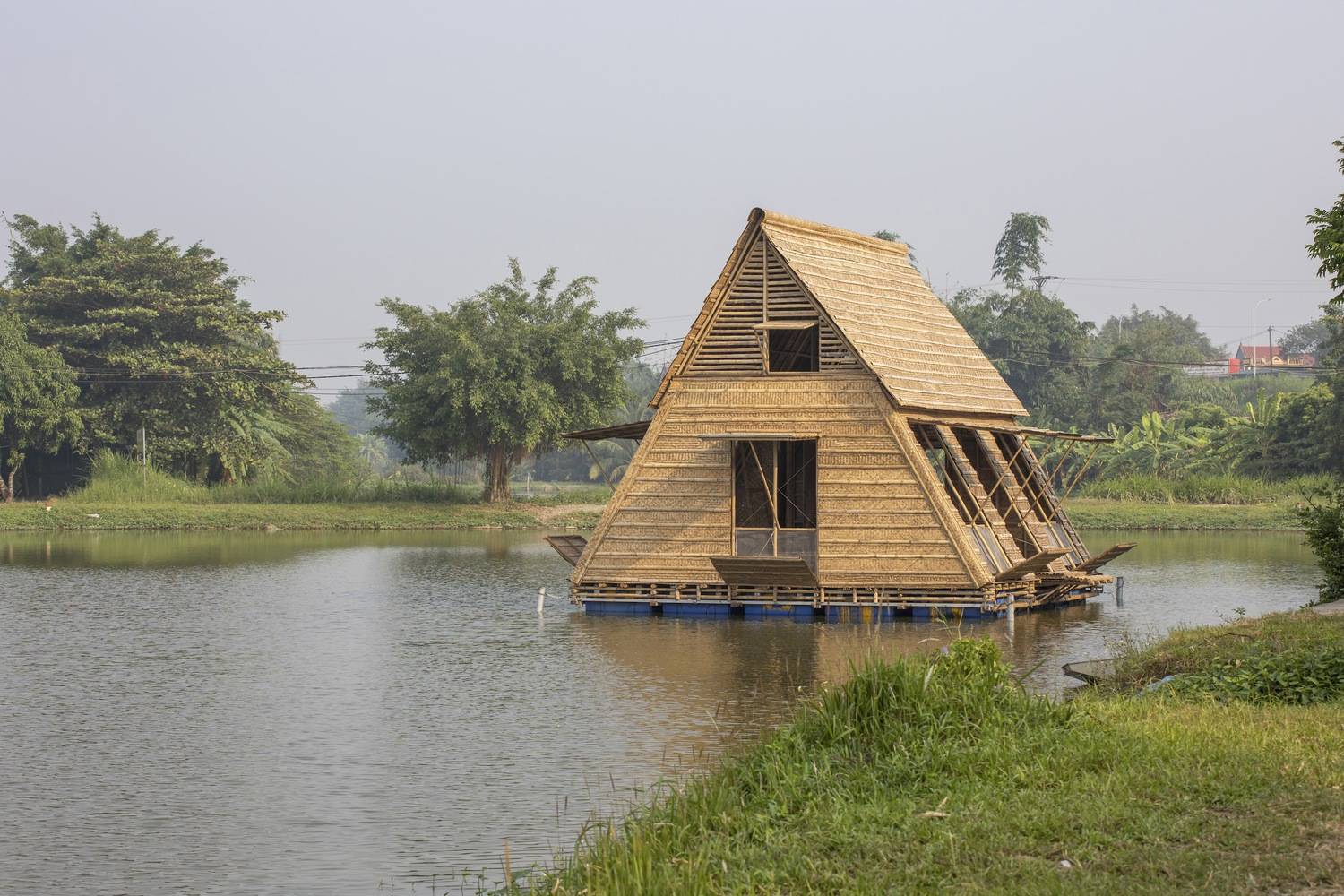
Floating bamboo house
In neighboring Vietnam, H&P Architects developed a housing model for river-based communities, designed to help low-income households build safe, stable homes while adapting to the growing effects of climate change.
Called the Floating Bamboo House, the three-compartment structure is made of solid-cored bamboo and fitted with plastic drums secured beneath the floor, allowing it to float on water.
Its exterior walls and interior partitions use lightweight materials, like compressed woven-bamboo panels, leaves, corrugated iron, and bamboo screens. A large roof collects rainwater and supports solar-energy generation, while freshwater and septic tanks are housed in the center of the structure.
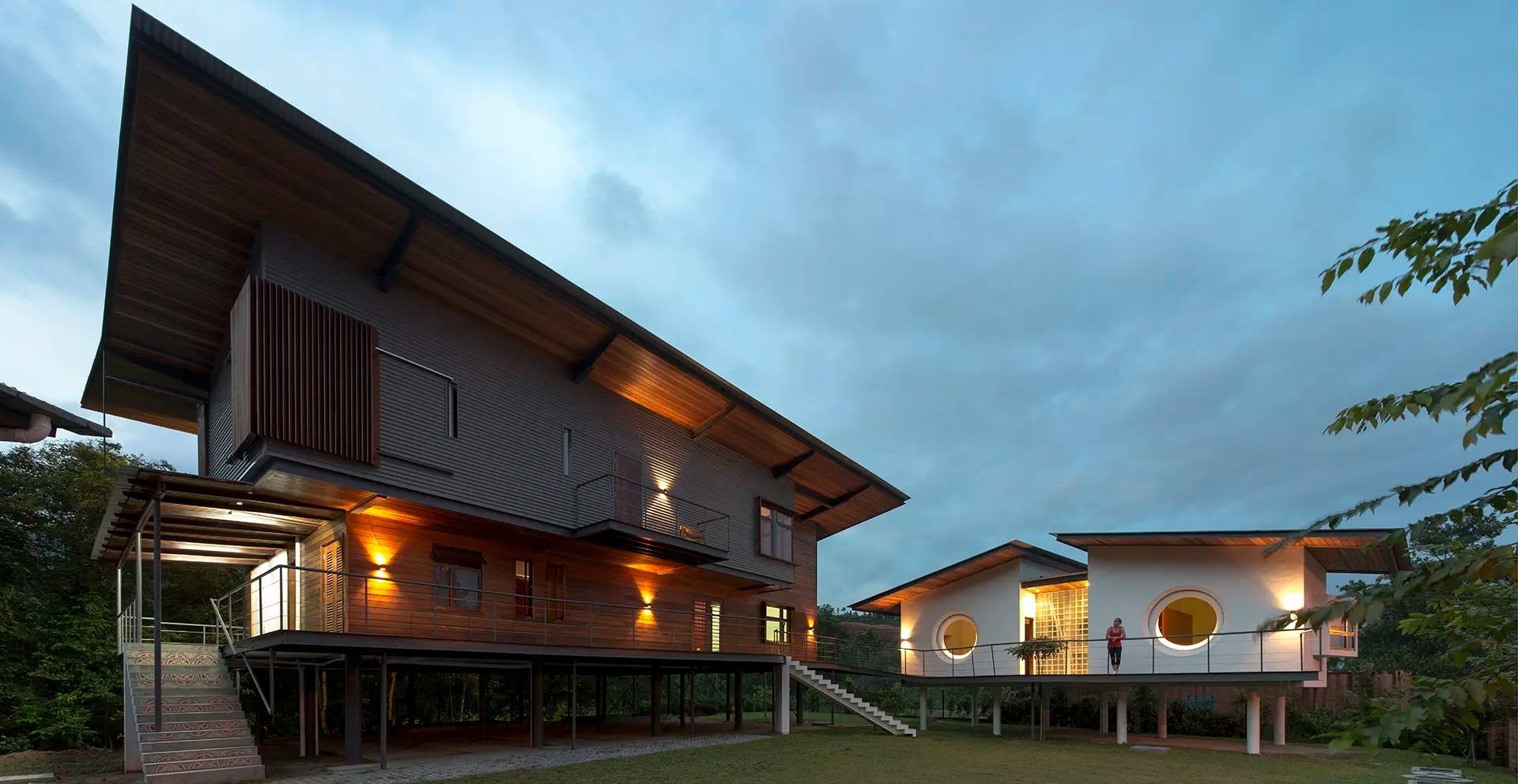
Stiletto House
In Malaysia, Australia-based firm Marra+Yeh designed the Stiletto House for a retired couple seeking a flood-resilient home capable of withstanding regular torrential rains and flooding.
Reinterpreting the traditional Malay house, the design raises the structure on stilts to protect it from floodwaters while keeping the interiors cool, comfortable, and breezy. Its functions are divided among three small buildings housing service areas, living spaces, and guest accommodations, all connected by bridges.

The architecture is complemented by a carefully planned landscape with minimal paved surfaces, allowing the buildings and gardens to better withstand extreme weather events.
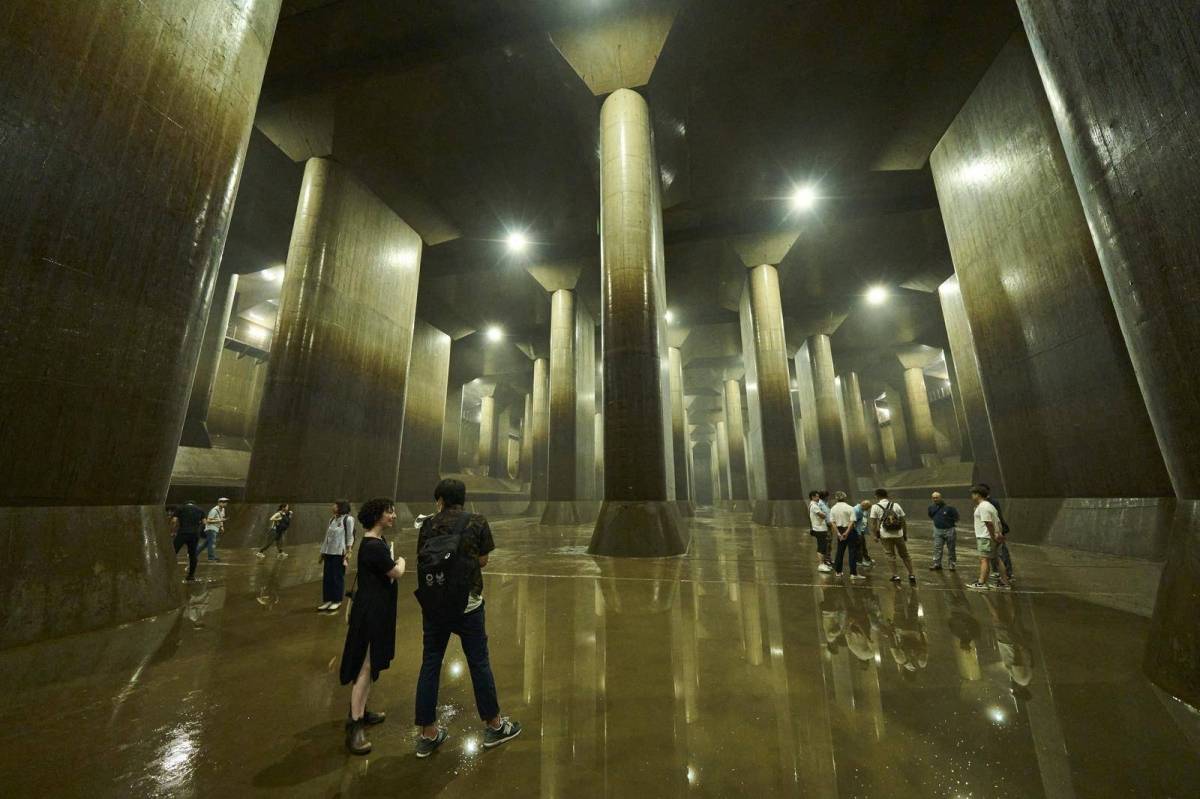
Underground regulating reservoir
While homeowners are adapting their houses to become more weather-resistant and flood-proof, governments are also implementing effective flood-control and disaster-risk-reduction measures to protect communities and reduce vulnerability to extreme weather events.
Japan, for example, offers a strong model for the successful deployment of life-saving flood-control measures.
In Tokyo, one of the world’s largest metropolitan areas, massive underground facilities have been built beneath major roads running through densely populated communities.
Among these is an underground regulating reservoir designed to prevent small and medium-sized rivers from overflowing. During heavy rainfall, rising river water flows over a weir built into the embankment and into the reservoir, reducing the volume of water flowing downstream.
Sources: Inquirer Research, Pagasa, Flood Control Asia RS Corp. Youtube Channel, undp.org, pna.gov.ph, rsfloodcontrol.com, aquadam.net, interestingengineering.com, archdaily.com, marrayeh.com, japan.go.jp


