








Designing the system, not just the structure

Green buildings are increasing across the Philippines. Certification plaques are displayed proudly in lobbies. Energy models are optimized. Water savings are computed.
Yet our cities still flood. Heat intensifies. Infrastructure strains. If we are building “green,” why do urban problems persist?
A culture
Improving individual projects does not automatically transform the system around them.
In practice, I have seen two approaches. In some developments, environmental performance becomes compliance—a checklist to complete, documentation to submit, points to secure. In others, it becomes culture.
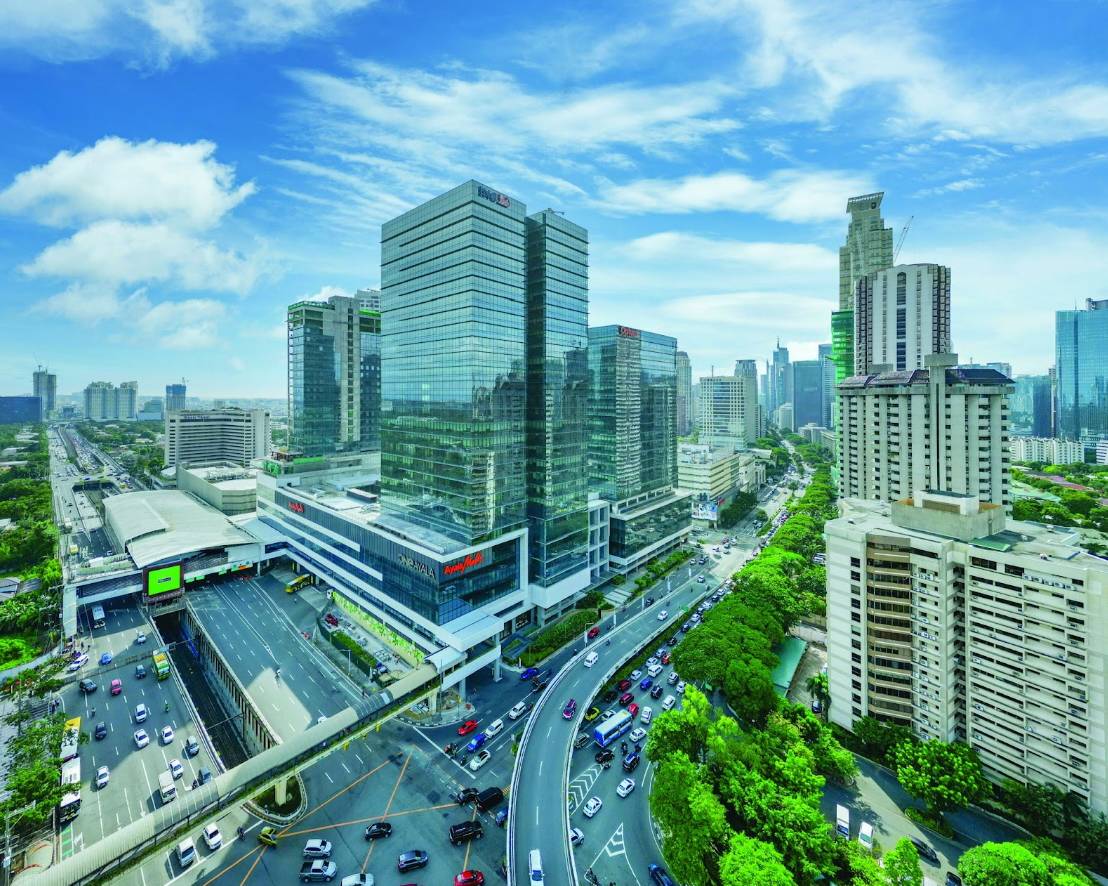
In Makati, a large mixed-use development integrates offices, retail, and a transport hub serving hundreds of thousands daily. Its pedestrian connections and mobility integration are not decorative gestures. They reflect coordinated planning across estate management, transport systems, and long-term operations.
In the same district, a hotel has achieved zero carbon operations by significantly reducing energy use and shifting to renewable power. What matters most is not the certificate itself, but the operational discipline required to sustain performance every day.
Alignment beyond design
Ar. Jed Celis Ayala, who was part of the teams that delivered these developments, shared with me how such projects required alignment beyond design—from procurement choices to post-occupancy monitoring.
Her insight reinforces a crucial lesson: environmental performance succeeds when embedded in systems, not attached at the end.
Cities are interconnected. A high performing building cannot compensate for weak transport networks. One zero carbon property does not decarbonize an entire grid. A rainwater strategy cannot restore a watershed alone.
Broader responsibility
This broader responsibility was evident during the recent activities surrounding the ASEAN Architect conferment at Makati Diamond Residences, where 18 Filipino architects were formally recognized, bringing the country’s total to 171 ASEAN Architects. The milestone reflects growing regional engagement and greater accountability in how we practice.
In the morning session, PRC Board of Architecture Commissioner Lynnda Marie B. Laraya shared her professional journey within Ayala, describing how environmental performance was ingrained in corporate systems—not treated as marketing language, but as an operational discipline.
Her reflections underscored a simple truth: What institutions normalize eventually becomes the professional baseline.

Transforming cities
If environmental performance remains voluntary—practiced by forward-looking firms but not embedded in codes, financing structures, and education—it produces islands of excellence.
Islands inspire. But they do not transform cities.
Transformation requires scale. It requires designing the system in regulations, procurement, lending standards, and in how we train future architects—not just refining the structure.
Plaques may symbolize progress. But real progress begins when better practice becomes the norm.
The author is a USGBC LEED fellow, UAP Notable Architect Awardee, Asean architect, educator, with more than 25 years of experience in architectural and interior design, corporate real estate, construction, property, and facilities management