










Do these simple edits to create spaces for intentional living


What is intentional living?
Intentional living is aligning your goals and choices to what you plan on becoming. Concentrate on what is meaningful in your life. Protect your time. Be present in your own life and your family, when and where it matters.
Do not act on impulse. Let go of things that drain you. Don’t survive the days, but live them.
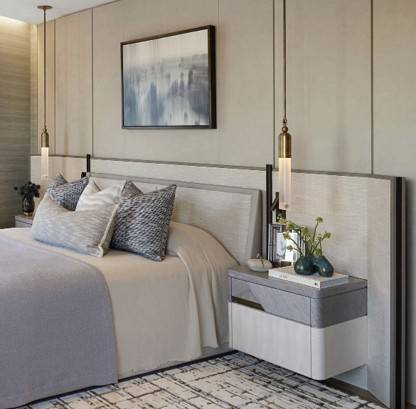
Intentional interiors
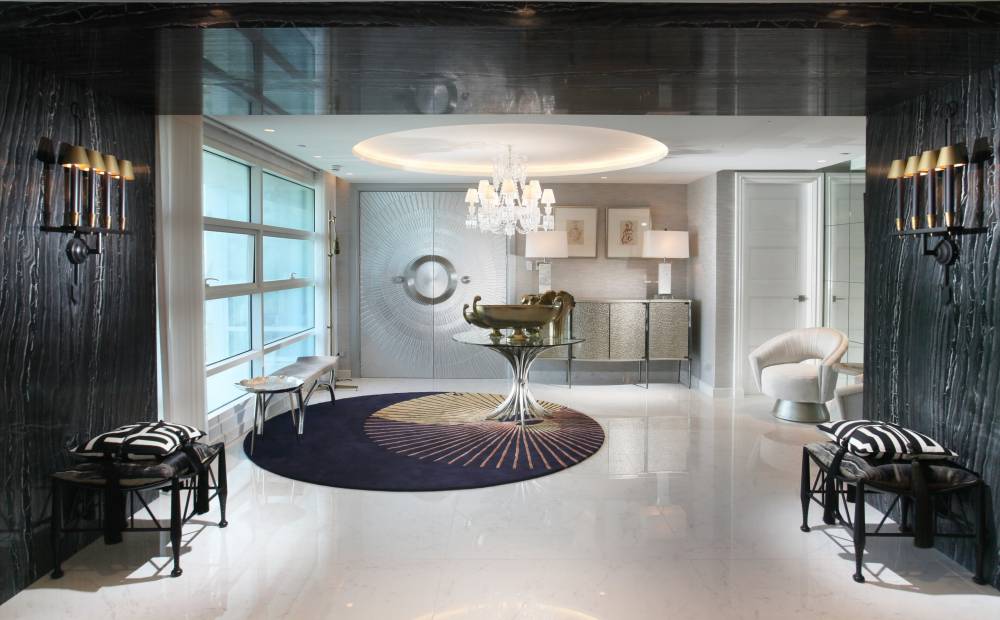
Intentional interiors depict a well-curated home that suits you. It can be simple, minimal, or fully decorated, but it should be chosen according to your lifestyle, needs, and wants, and should reflect how you live.
Interiors can be modern glam, contemporary with a touch of traditional, sleek, or even eclectic. The point is to help you create a home that reduces impulse buys and feels more future-proof, rather than driven by trend fatigue.
During the pandemic, we were confined to our homes and began realizing that we needed to design them more intentionally. This was when we started thinking about creating spaces that support creativity, health, sleep, meditation, wellness, and even work.
CLUTTER
The first thing we need to consider to get on this path is to get rid of clutter. Let go of clothing you haven’t worn in six months to a year, reduce knickknacks, and invest in pieces that will last.
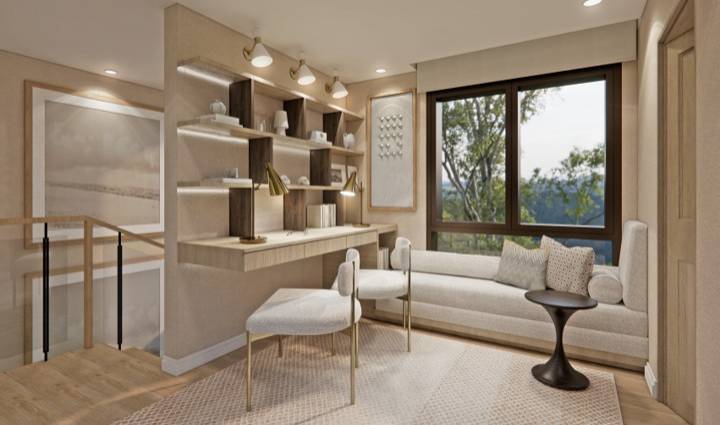
CIRCULATION
Once clutter has been removed, circulation within your living spaces will improve. Identify key areas and plan movement around them. Choose furniture that is appropriately sized for both its function and the room. Define zones in your home, and give each zone a visual anchor, whether it’s a quiet area, a no-tech zone, a game room, or a meditation room.
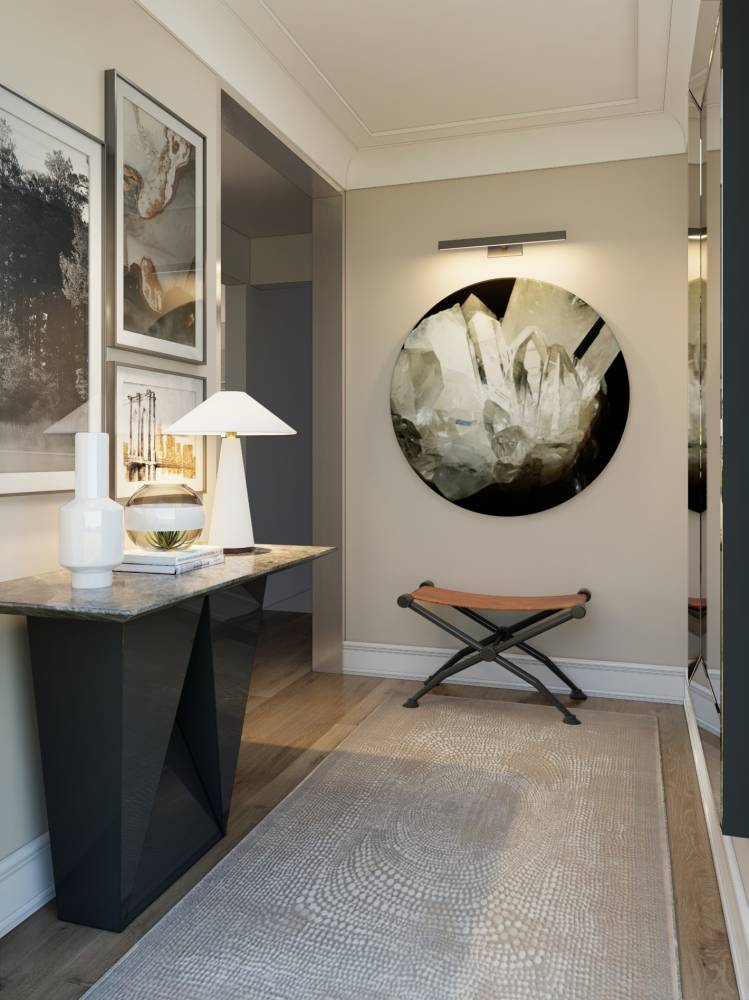
LIGHTING
Lighting can make or break a room. Classify your lighting by task, mood, and area. Use ambient lighting for general spaces, and choose dimmers or lighting controls in areas where you need flexibility.
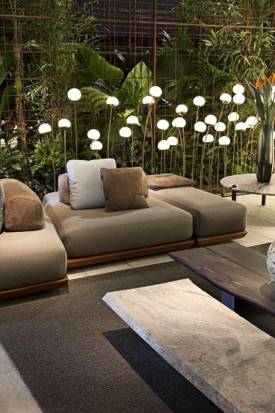
STORAGE
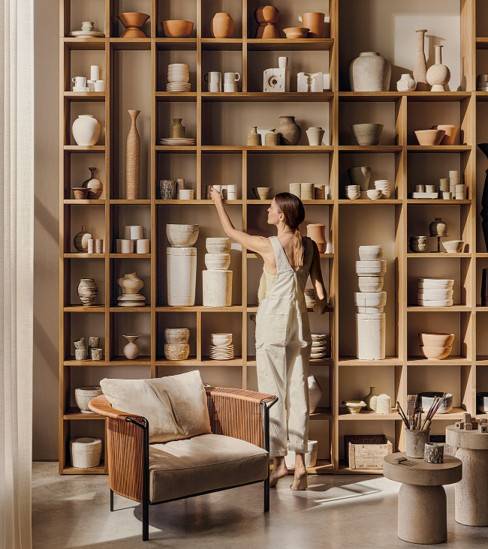
Consider all your storage needs. Plan them carefully and efficiently. There should be storage for dinnerware, flatware, bedding, luggage, winter clothing, and toiletries. Incorporate storage design into your plans, as these are vital elements of intentional interiors and can otherwise cause a lot of stress.
FURNITURE PLACEMENT
Choose furniture pieces that matter—pieces that we use all the time for rest, tasks, and learning. There are appropriate furniture pieces made for these zones.
BRINGING THE INDOORS OUT AND THE OUTDOORS IN
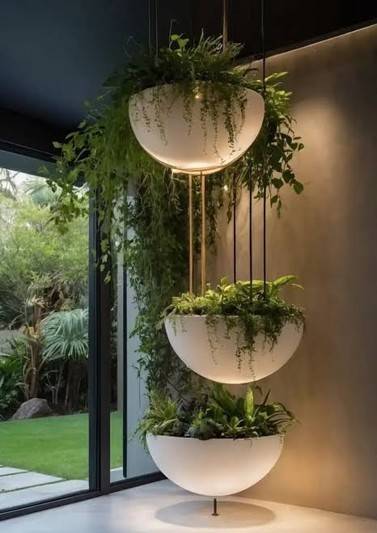
You can extend your living room all the way to your lanai, making the backyard more appealing to use, even as a dining area. Bring the outdoors into your living rooms and bedrooms by creating an indoor herb garden in the kitchen and strategically placing house-friendly plants.
HAVE VISUAL BREAKS
If you have a decorated home, consider having uncluttered hallways and decor-free spaces to create visual breaks.
ADD SENSORY ELEMENTS
Appeal to all five senses.
CREATE SOFT COLORS
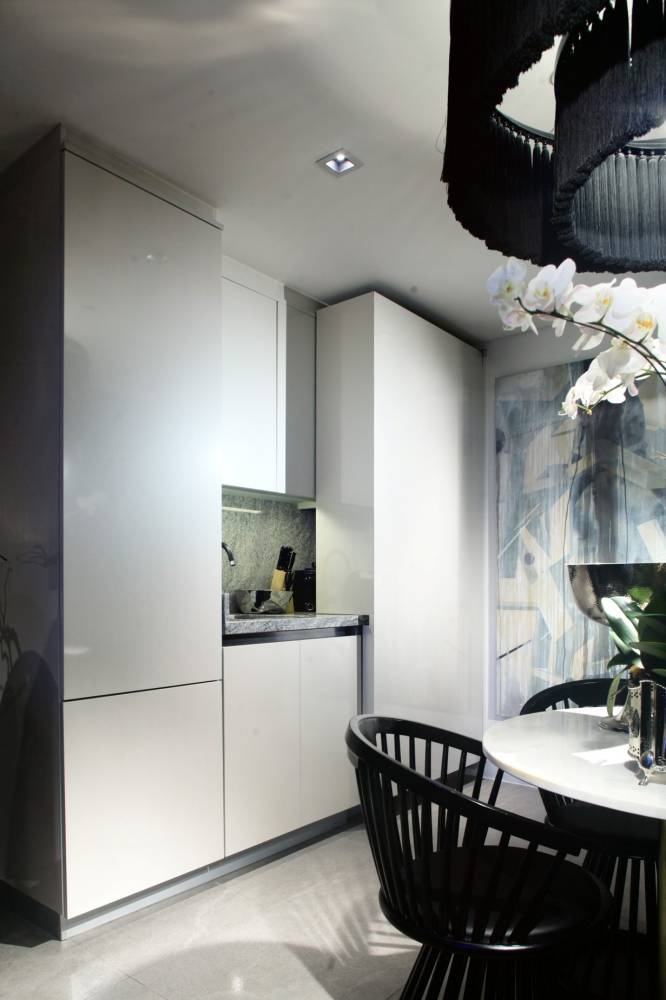
Use neutral palettes to create a calm atmosphere.

WHY
Ask yourself many times why you need to buy new things for your home.
ESTABLISH ROUTINES
Design for healthier habits.
For example, the bathroom should be near the walk-in closet for a more efficient dressing routine. The master’s bedroom should not have an office desk. Create a separate workspace so the sanctuary remains a relaxing space.
Provide a room for learning—an area with a comfortable desk and seating that supports focused study. Include also a nightstand with a shelf for books to encourage reading at night instead of using phone apps.
DECLUTTER YOUR APPS
Remove apps that tempt you to purchase or eat more, and distract you from your goals.
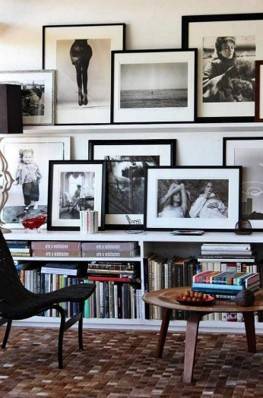
CURATE WITH MEANING
Family photos can be framed with beautiful matting for display. Heirlooms can be placed in shadow boxes. These can be used as décor instead of generic, meaningless items.
If all else fails, interior designers are trained to help you create a home that will let you live a life with intention.
The author is the founder of Chat Fores Design Studio, an award-winning and recognized interior designer known for redefining and elevating spaces. She specializes in residential, hospitality and amenity spaces for different real estate companies. Chat has also collaborated with international design firms to create residential interiors in Manila