











Earth Hour and the power of small choices

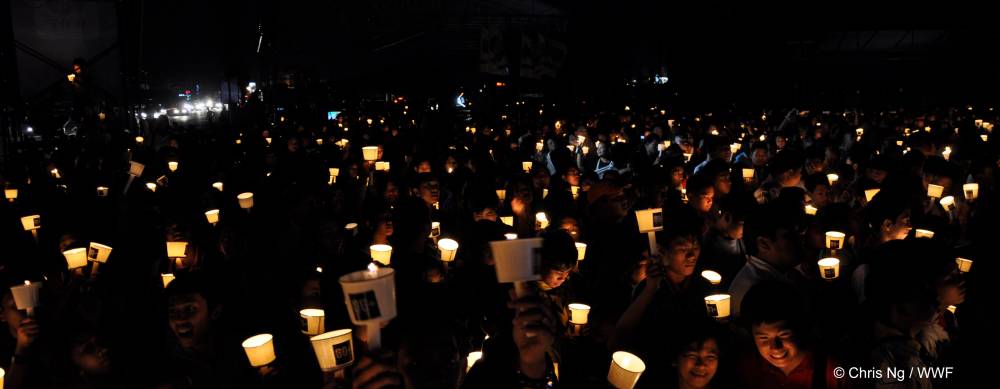
Every year, millions of people around the world switch off their lights for Earth Hour.
At exactly 8:30 p.m. on the last Saturday of March, skylines dim, landmarks go dark, and households participate in what has become one of the most recognizable environmental movements of our time.

Simple campaign
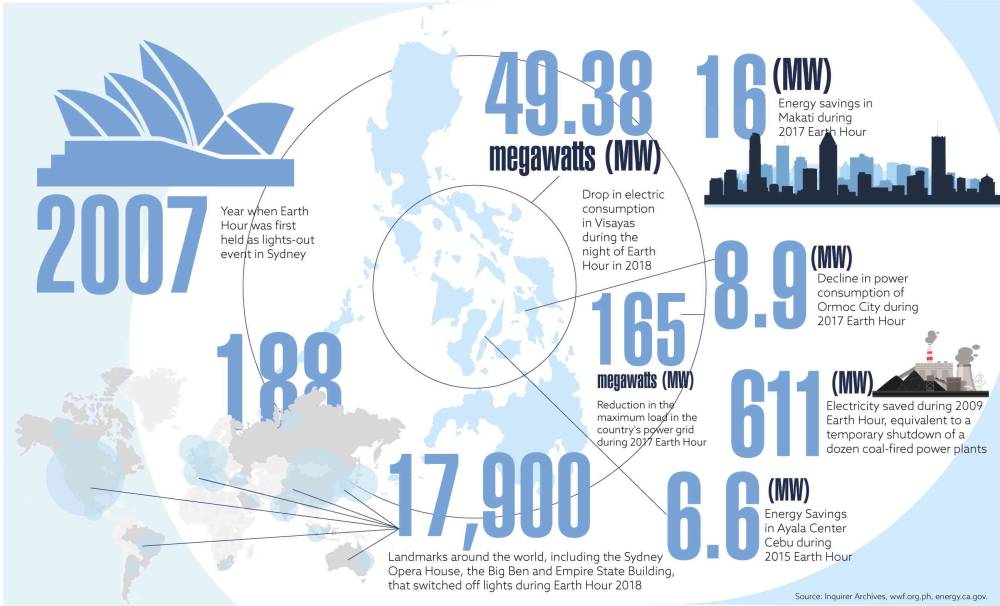
Earth Hour began in Sydney, Australia in 2007 as a simple lights-off campaign to raise awareness about climate change. What started as a symbolic gesture has since grown into a global movement observed in over 190 countries to date.
Its message remains powerful because it proves that even small collective actions can create worldwide awareness. What makes Earth Hour even more meaningful is not just its symbolism. It demonstrates how shared responsibility, even for a short period, can produce a measurable impact.
In the Philippines, past observances have shown reductions in electricity demand during the event, reminding us that individual participation can translate into real national results.
Most important lesson
But perhaps the most important lesson of Earth Hour is not what happens during that hour. It is what it can teach us about the other 8,759 hours of the year.
Today, this lesson feels more urgent than ever. Rising electricity costs, growing pressure on our energy infrastructure, and the realities of climate change are no longer distant concerns. They are everyday realities affecting Filipino households and businesses alike.
As someone working in sustainability, I often see Earth Hour practiced within organizations through energy management programs and green building operations.
But its meaning becomes even clearer at home. In our family, environmental awareness is not only something discussed professionally. It is something expressed in our own ways.
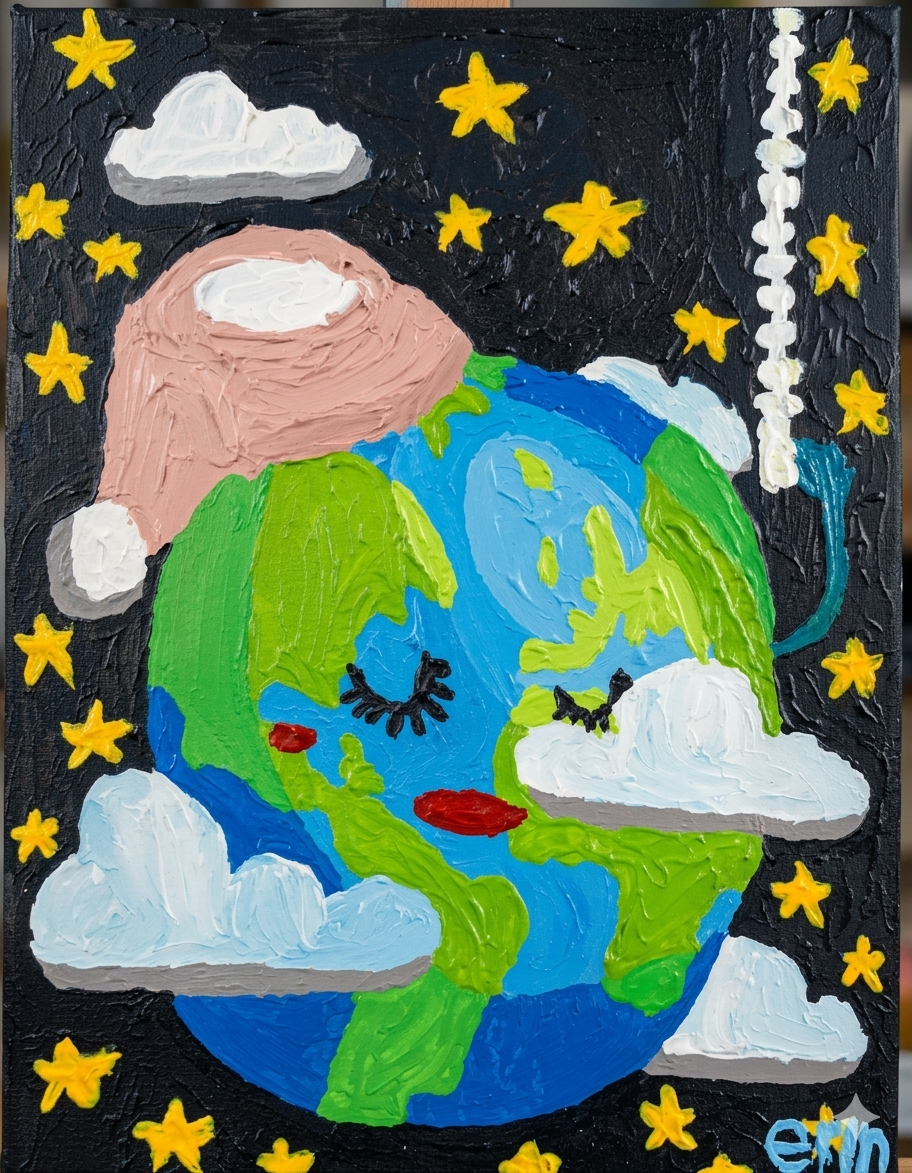
My daughter Erin, for example, celebrates Earth Hour by creating artworks for the occasion, her own way of marking the event each year. It reminds me that sustainability is not only about technical solutions, but also about how awareness becomes part of our personal traditions.

Light pollution
The simple act of switching off lights also reminds us of something we rarely discuss: Darkness has value.
Excessive artificial lighting contributes to light pollution which, according to studies, can disrupt human sleep patterns, affect circadian rhythms, and interfere with wildlife that depend on natural day-night cycles.
Even migratory birds and nocturnal animals are affected by overly bright urban environments. In this sense, one hour of reduced lighting becomes, even briefly, an hour of ecological relief. It further reminds us that not all brightness is progress.
If Earth Hour offers a practical takeaway, it may be this: energy conservation does not always require sophisticated technology. Often, it begins with simple discipline.
Consistent choices
We can start with small daily practices. Turning off non-essential lights. Using task lighting instead of lighting entire rooms. Unplugging idle devices. Moderating air-conditioning use. Maximizing daylight. Avoiding unnecessary exterior lighting.

If practiced even for just one hour each day, these habits can reduce energy demand while strengthening environmental awareness.
Earth Hour was never meant to solve the climate crisis in 60 minutes. Its real purpose is to remind us that sustainability is built on consistent choices.
Sustainability is rarely defined by dramatic gestures. It is defined by small decisions done repeatedly, long after the campaign ends and long after the lights are turned back on.
And perhaps the real success of Earth Hour is not measured by how many landmarks go dark for one night, but by how many people decide that energy awareness should not last for just one hour, but should become part of how we choose to live every day.
The author is a LEED Fellow, ASEAN Architect, and educator with over 25 years of professional practice in architecture and sustainability
******
Get real-time news updates: inqnews.net/inqviber