










Emerging Global Filipino vision

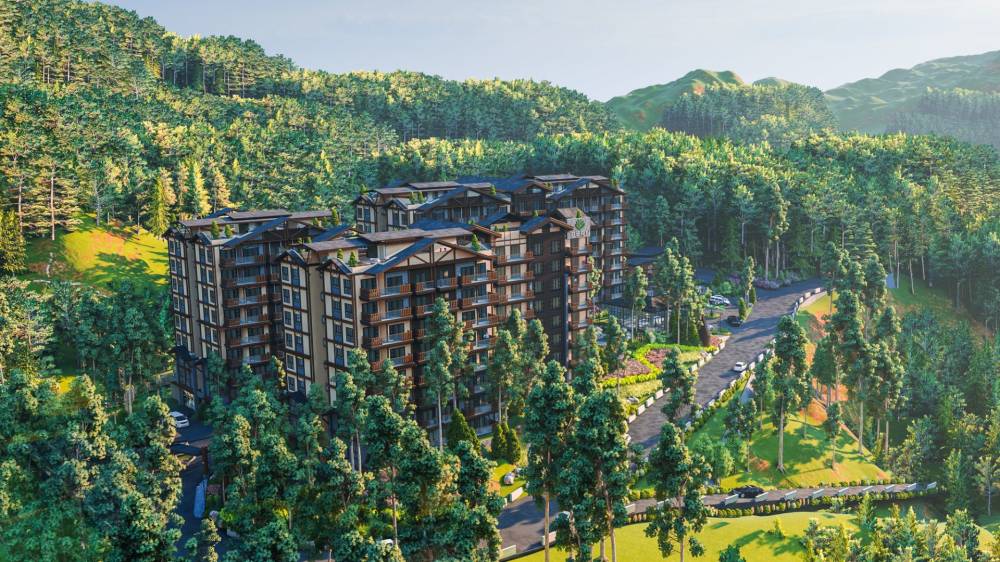
Hotel lights in Bangkok and Singapore often highlight Filipino names during regional awards. In 2023 to 2024, Philippine developments won 22 awards in residential, hospitality, and mixed-use categories, showing consistent success.
Behind these wins is a quieter story: Filipino developers, architects, and project managers shape regional strategy, lead consortia, and develop tropical urbanism that foreign partners seek. Meanwhile, Philippine developers and boutique groups showcase their townships, resorts, and urban renewal projects across Asia, gaining attention for their ability to manage complex estate phasing.
Rising presence on the regional map
Regional award platforms place Philippine work beside long-established markets in Singapore, Thailand, and Australia.
The annual Property Awards in Manila advance local winners to regional finals, where township, retail, office, industrial, and hospitality projects from the Philippines compete with Asia’s leading developments. Each distinction reflects years of disciplined planning, financing, and coordination.
Global partners respond to that delivery record. A fund manager or hotel operator that has watched a Philippine-led team complete a resort or township under demanding conditions is inclined to trust the same group with the following mandate.
Over time, those repeat assignments lift Filipino names from the footnotes into headline roles as co-developers, lead consultants, and project directors on cross-border projects.
What we are doing right
Filipino teams now rely daily on digital platforms, building information modeling, and performance simulations.
Years of collaboration with international consultants and operators have familiarized local professionals with global codes, sustainability metrics, and brand standards.
The tech and business process outsourcing sectors support this metric-driven culture. By 2024, the industry generated approximately $38 billion and employed about 1.82 million Filipinos, requiring structured training, compliance, and 24/7 responsiveness nationwide.
Why global investors pay attention
Global capital considers the underlying demographics before studying any rendering. The Philippines passes that test with a population of more than 112 million and a median age of about 26 years, one of the youngest profiles in Asia.
A large working-age cohort, steady remittance inflows, and rising domestic consumption combine into a durable base for housing, retail, logistics, and hospitality demand. Each office tower serving information technology and business process management tenants anchors an ecosystem of residential communities, learning centers, and daily services.
Forward looking developers translate these fundamentals into built environments that resonate with overseas partners.
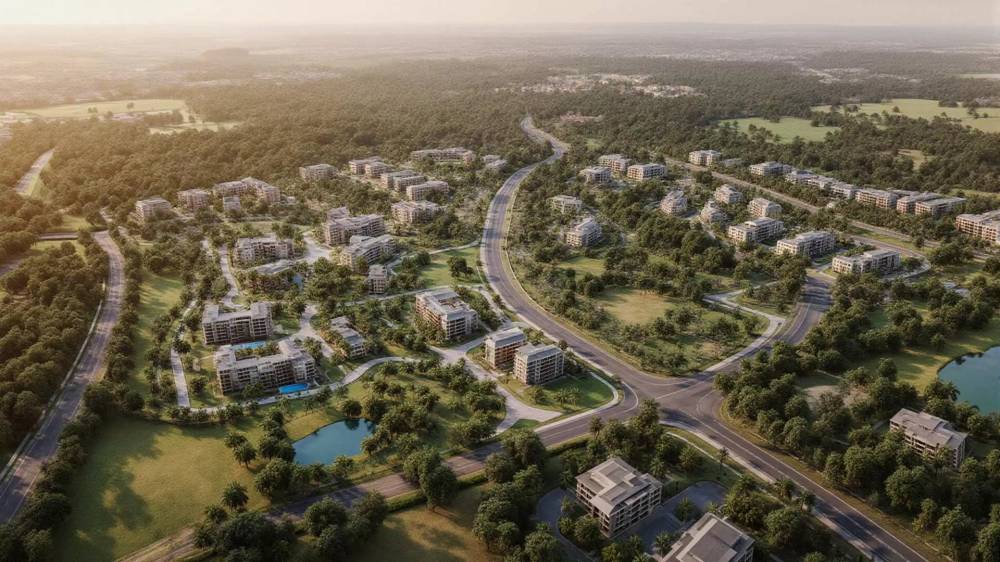
Integrated townships combine workplace clusters with parks, schools, health care, cultural amenities, and retail streets, rather than treating each component as a separate parcel. Coastal resorts and branded residential enclaves position the archipelago as a long-stay destination for global travelers and remote professionals.

In recent projects, flood-resilient landscapes, elevated critical systems, and energy-conscious building envelopes indicate a more substantial alignment with environmental, social, and governance expectations that institutional investors now require.

Raising the standard for the next decade
The future of Filipino recognition depends on the ecosystem evolving beyond isolated award-winning projects. Lifelong learning in AI, data science, and environmental design should be integrated into daily practice via structured training, accessible certifications, and mentorship.
The outsourcing sector is shifting toward higher-value roles like software engineering, data analytics, and architectural support. Philippine built-environment professionals should position studios as regional partners, not merely production hubs.
Participating in international competitions and think tanks can showcase case studies from Cebu, Davao, or Pampanga as models for tropical urbanism and climate-responsive density.
Publishing insights through peer-reviewed work or essays will develop a clearer Philippine perspective on coastal risk, heat, and public space design in humid cities. This intellectual infrastructure could be as vital as any award or skyline.



Turning threat into opportunity for agriculture