











Fairway capital and the premium lifestyle

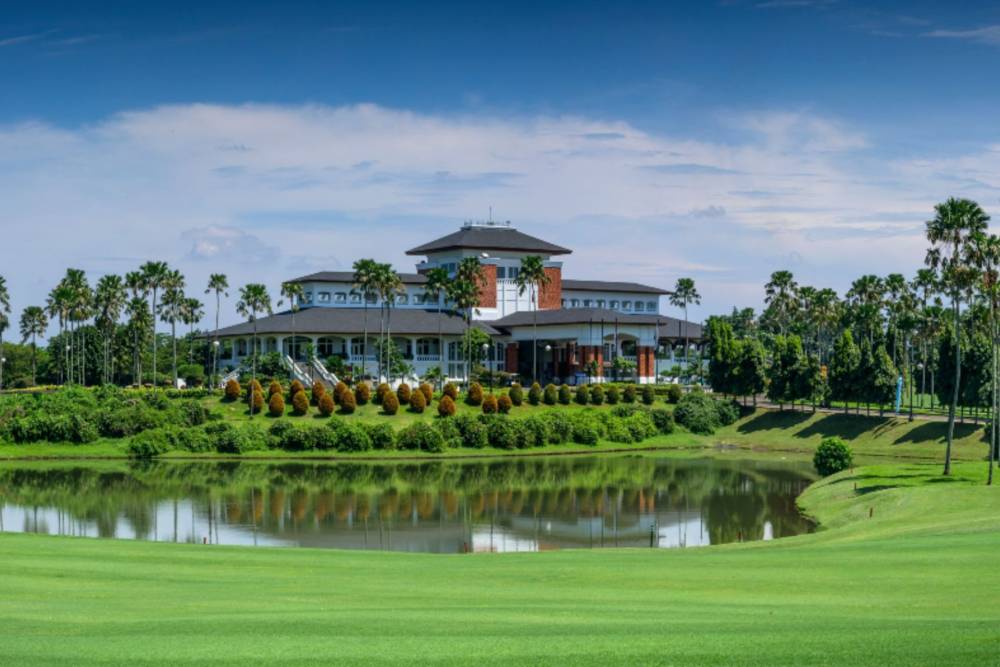
A golf estate is a real estate idea built on a landscape. The fairway becomes a permanent view corridor, a managed green that reads like a private park, and a daily rhythm that shapes residents’ movement, gathering, and rest.
Buyers respond to that value when a community delivers a setting that feels finished on day one and stays coherent year after year.
Value signals
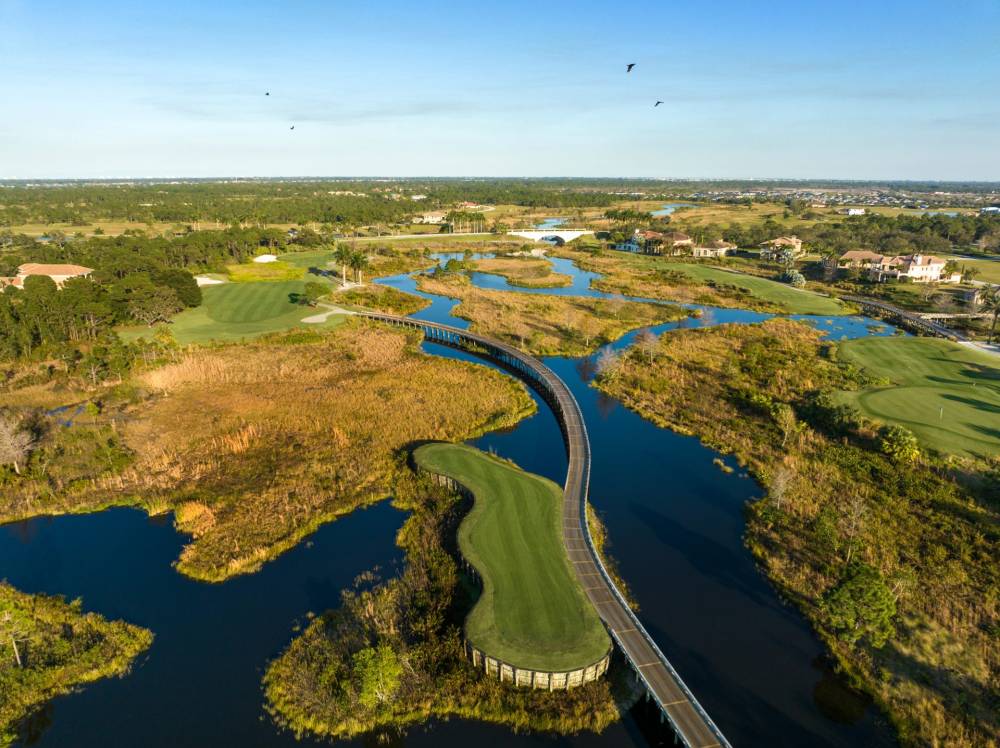
Price strength in fairway villages stems from their scarcity. Only a limited number of lots overlook expansive greens and mature trees, with community rules ensuring this view remains unobstructed.
Design guidelines maintain uniform fences, rooflines, and frontage treatments, creating a cohesive streetscape. This consistency gives the property a strong identity, supporting stable pricing during resale and fostering confidence for long-term ownership.
This premium ripples outward. Surrounding neighborhoods tend to upgrade their own positioning when a golf estate anchors the district’s image. Small businesses adjust their mix toward services that match the estate’s spending patterns, from dining to home maintenance to leisure retail.
Over time, the area gains a clearer market story, which shows up in appraisals, broker guidance, and buyer shortlists.
Lifestyle uplift
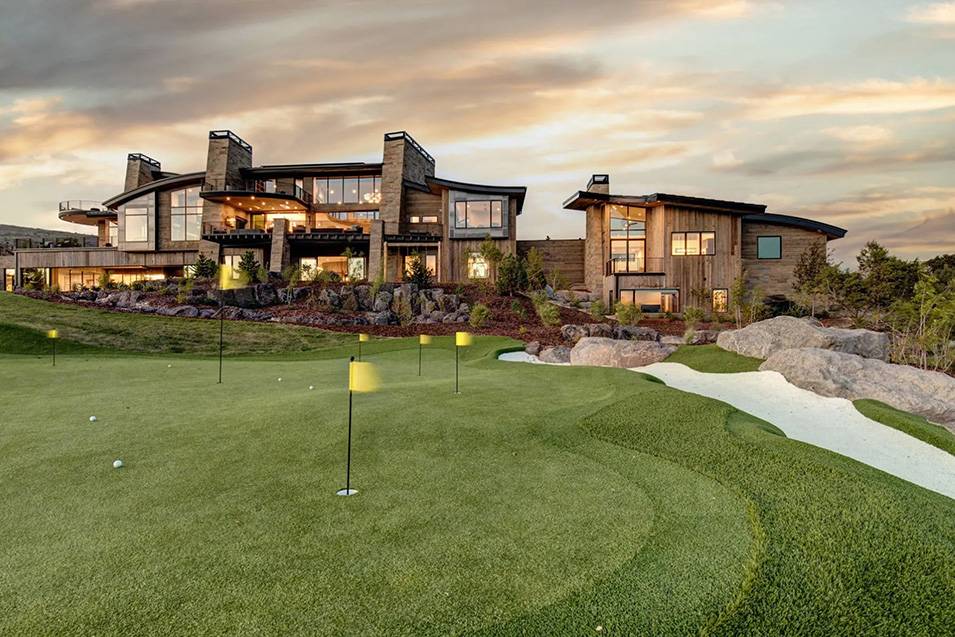
Quiet mornings, shaded sidewalks, and looped roads encourage walking, cycling, and casual encounters. The clubhouse serves as a third space, a place where residents share milestones and routines without leaving the community.
Families often value the structure of activities, coaching, junior programs, and social calendars, because it turns weekends into a set of easy choices.
Wellness here is designed through small decisions. Trees are allowed to mature, setbacks protect light and air, and view corridors reduce the sense of crowding.
When these pieces align, the neighborhood offers a calm backdrop for leisure and rejuvenation, and that calm becomes a practical part of the property’s appeal.
Essentials of success
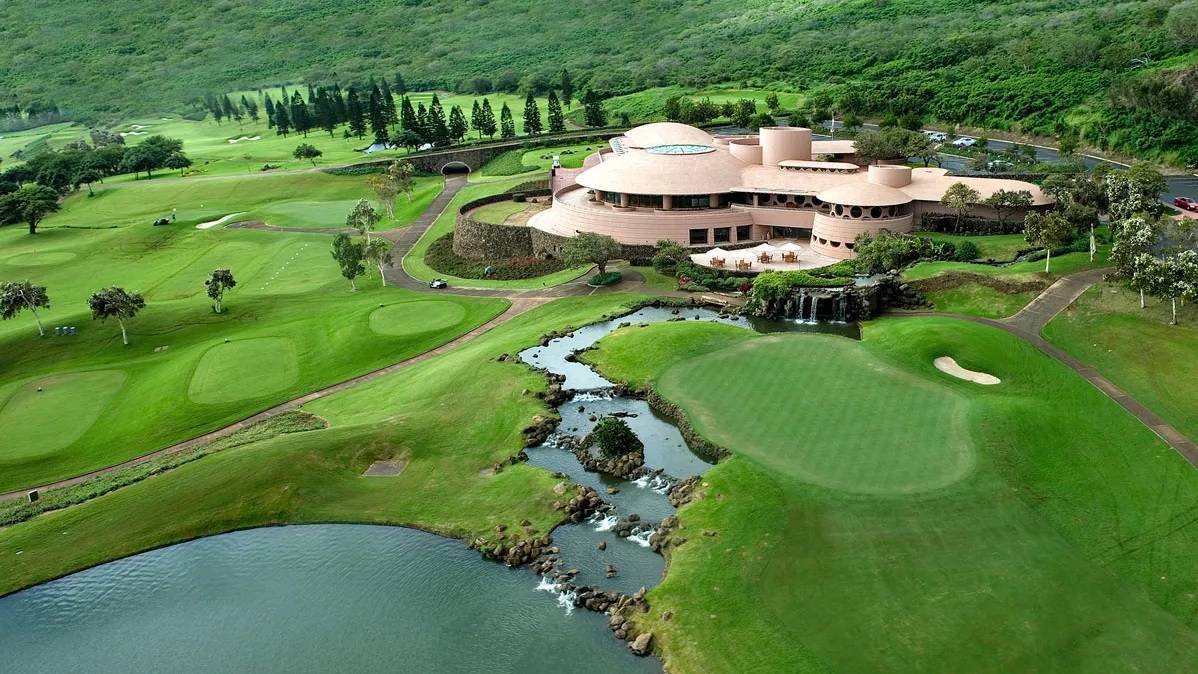
A golf estate succeeds when the land plan respects safety, privacy, and long sightlines.
Homes need thoughtful buffers from play, careful orientation, and planting that filters views without blocking them. Streets should feel purposeful, with clear pedestrian routes, comfortable crossings, and shared spaces that invite lingering.
A well-planned arrival, efficient locker rooms, clean showers, and calm recovery spaces influence whether the club becomes part of everyday life. A driving range and practice greens extend the estate’s usefulness beyond weekend rounds, especially for juniors, seniors, and time-pressed residents who prefer short sessions.
Massage rooms and therapy suites support performance and wellness when they operate with consistent standards. Food and beverage areas, including a bar that reads like a relaxed living room, create a steady social pulse and help membership feel active year-round.
Support systems at par
Infrastructure carries equal weight.
Drainage design must anticipate intense rainfall, including detention areas, resilient outfalls, and maintenance access that remains functional. Water strategy needs to balance household demand with turf requirements through efficient systems and well-managed supply.
Connectivity has become a core amenity, so redundancy for telecom and power systems supports hybrid work and modern home operations.
Course maintenance, clubhouse service, and security protocols influence daily experiences, which in turn shape long-term value.
The most successful communities consistently fund reserves, align member expectations, and keep clear records of decisions.
Local and foreign market pull
In the Philippines, golf estates tend to draw end-users who prioritize stability, privacy, and a complete environment. That end-user focus often centers on cushion pricing because demand is shaped by lived experiences, family routines, and long-term objectives.
Investors remain involved, particularly when the community’s standards favor leasability for executives and returning residents who favor managed neighborhoods.
International interest often centers on lifestyle and predictability. A golf estate offers a familiar format, and it translates across cultures because it relies on clear governance and consistent maintenance.
When these fundamentals are strong, the product speaks to domestic households and overseas buyers with the same quiet confidence.