









Feng shui as a daily practice

- Designing homes that support everyday life
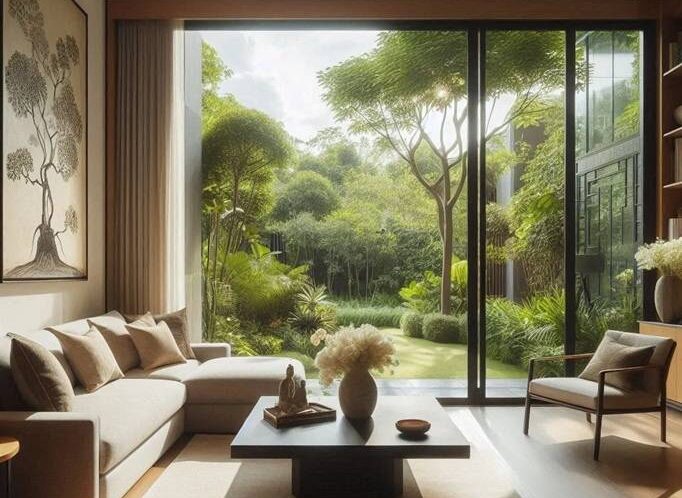
For many homeowners, feng shui is often associated with moving furniture, placing symbols, or making changes only during the Chinese New Year.
But at its core, feng shui is less about objects and more about how a home supports the way people live, move, rest, and make decisions every day.
Shaping daily behavior
Homes quietly shape daily behavior.
A dark, cluttered entryway can affect mood before the day even begins. Poor airflow and lighting can lead to fatigue. Awkward layouts may increase tension among family members.
Feng shui, when applied properly, helps people become aware of how their environment influences well-being, productivity, and relationships.
Starting with observation
Rather than dramatic renovations, effective feng shui starts with observation.
How does natural light enter the home? Are pathways clear and comfortable to walk through? Is there a sense of calm in sleeping areas and focus in work spaces?
These details matter because they shape daily routines—how people wake up, prepare meals, work from home, and unwind at night.
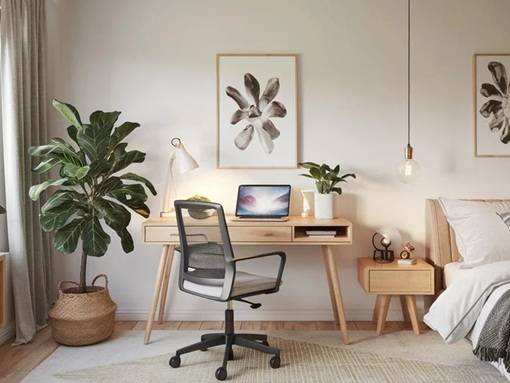
In Filipino households, where spaces are often shared and multifunctional, feng shui is especially relevant. A dining table may double as a work desk, or a living room may serve as a family gathering space and home office.
In these situations, balance and order become essential. Simple adjustments—such as better lighting, reducing visual clutter, or repositioning seating to feel more supported—can significantly improve how a space functions.
Greater grounding and stability
As the Year of the Fire Horse approaches, homes will benefit from greater grounding and stability.
Fire Horse years are associated with fast movement, strong emotions, and heightened activity. While this energy can be productive, it can also lead to stress if the home environment is overstimulating.
Excessive noise, harsh lighting, or overcrowded spaces may intensify restlessness. Creating calm zones—particularly in bedrooms and areas meant ond physical layout. Routine matters.
Opening windows each morning to let fresh air circulate, keeping entrances clear, maintaining organized kitchens, and respecting rest areas all contribute to a home that supports health and clarity.
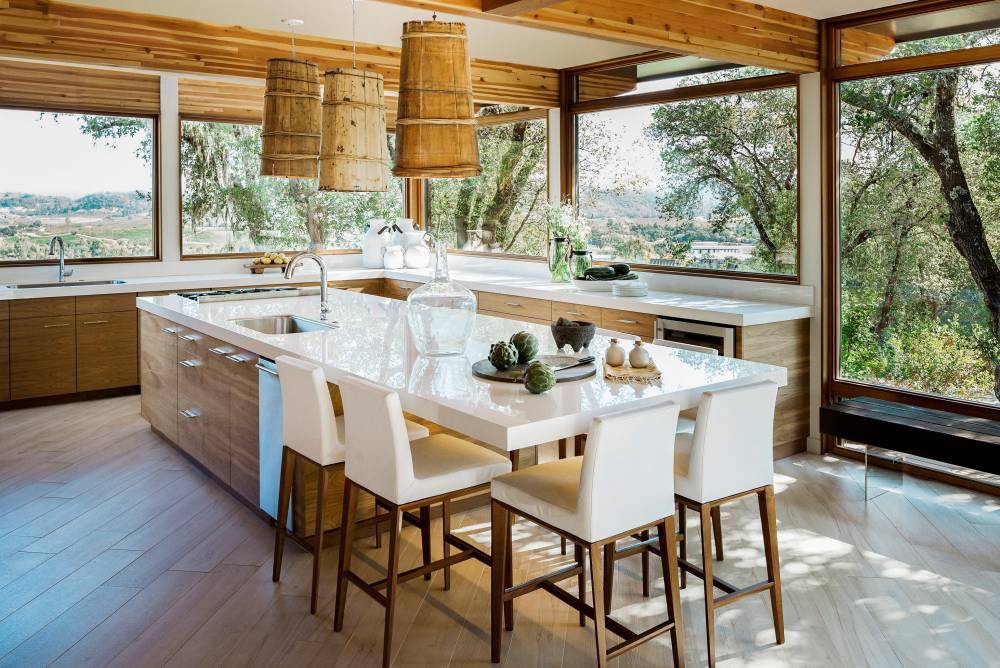
These practices align with findings in environmental psychology, which show that light, order, and spatial clarity influence stress levels and cognitive function.
Intentional living
Ultimately, feng shui is about intentional living.
It encourages homeowners to design spaces that work with them, not against them. When applied consistently, small adjustments create cumulative benefits such as better sleep, smoother routines, and a more harmonious home environment.
In a fast-changing world, feng shui remains relevant not because it predicts the future, but because it helps people live better in the present, one space, one routine, and one mindful choice at a time.
The author, widely known as the Philippine Feng Shui Queen, has practiced classical feng shui for over 30 years. Beyond traditional consultations, she has expanded her work through Destara.app, a
digital feng shui and destiny guidance platform designed to make personalized insights accessible to a wider audience. Follow her on Facebook, Instagram and Tiktok (@MaritesAllen)
Tips for homebuyers in the Year of the Fire Horse
Buying a home is both a financial and emotional decision.
As the Year of the Fire Horse approaches in 2026–a period associated with speed, activity, and heightened energy–homebuyers are encouraged to prioritize stability, comfort, and balance when choosing a space.

Feng shui offers a practical lens for evaluating whether a home will support daily life, health, and long-term well-being. Here are some do’s and don’ts when choosing your next home.
DO’s
Choose homes with good natural light and ventilation. Sunlight and airflow help regulate mood, energy levels, and sleep patterns, especially important in a high energy year.
Pay attention to the main entrance. A clear, welcoming entry allows movement to feel smooth and unobstructed. The first few steps into a home should feel open, not cramped or cluttered.
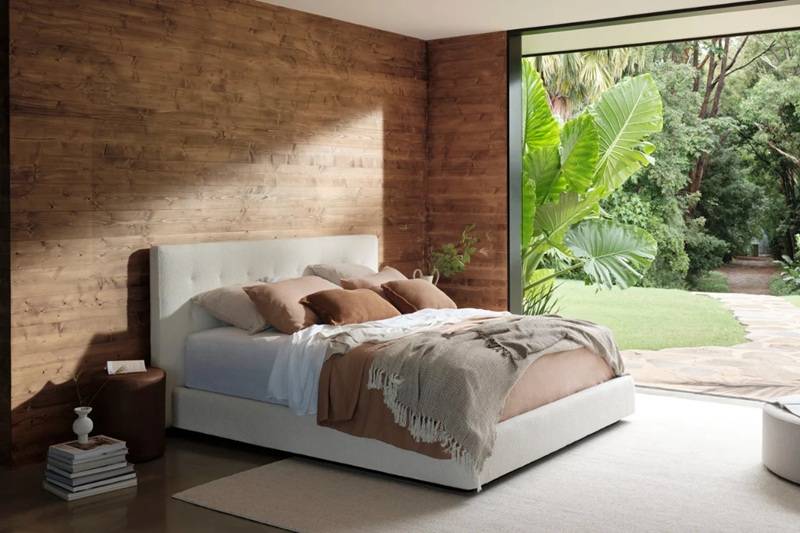
Prioritize quiet and restful bedrooms. Bedrooms should feel calm and protected from excessive noise, harsh lighting, or constant foot traffic. Rest is essential in a fast-paced year.
Assess how the space feels at different times of day. Visit the property in the morning and evening if possible. Notice noise levels, light quality, and overall comfort.
Look for layouts that support order. Homes that allow clear storage, defined areas, and smooth movement are easier to maintain and less mentally taxing.
DON’Ts
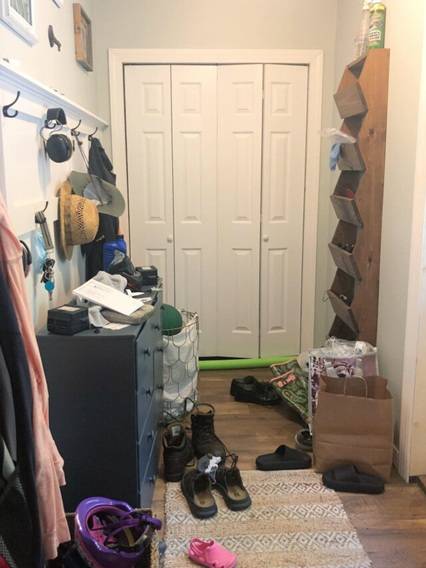
Avoid homes with dark, narrow entrances. Poor lighting and tight entryways can feel restrictive and may contribute to daily stress.
Be cautious of overcrowded layouts. Spaces that feel compressed or overly busy may amplify tension during a Fire Horse year.
Avoid excessive heat or harsh lighting in rest areas. Strong lighting and heavy use of warm colors in bedrooms can interfere with relaxation.
Don’t ignore environmental noise. Constant traffic, construction, or mechanical noise can disrupt sleep and concentration over time.
Avoid choosing purely based on aesthetics. A visually appealing home that feels uncomfortable to live in may create long-term dissatisfaction.