










Filipino estates rising on Asia’s awards stage

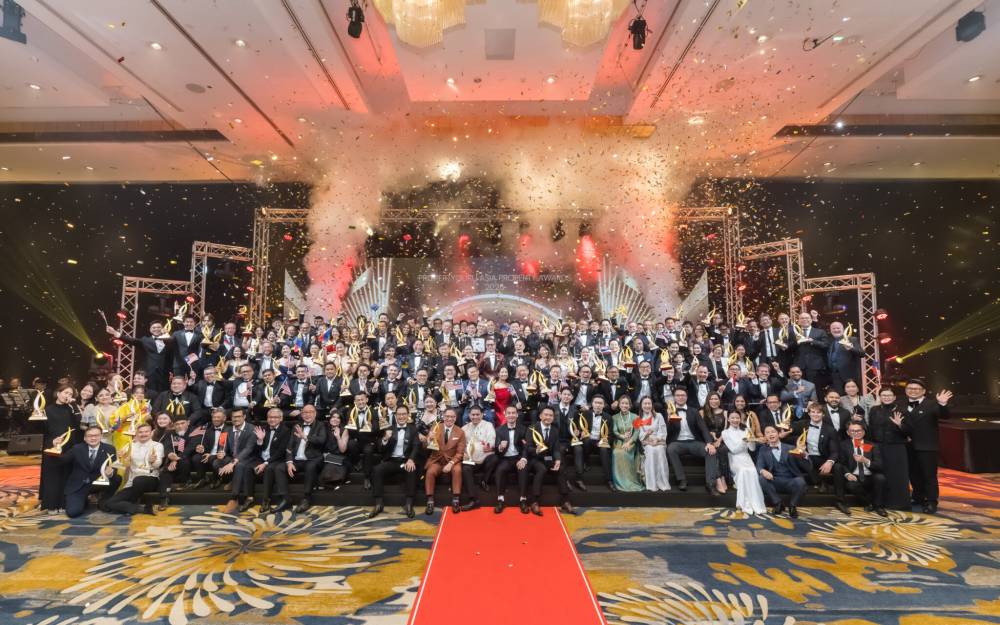
As the ballroom lights dimmed at the 20th PropertyGuru Asia Property Awards in Bangkok, the Philippine delegation shone with 10 Best in Asia titles in this year’s Grand Final.
This signals that Filipino projects can compete regionally in townships, towers, parks, and estates.
Asia’s arena and the Philippine surge
The Grand Final in Bangkok brings together national winners from across Asia in a single jury room. It is positioned as the capstone of a year-long awards circuit that starts with national galas and culminates in a concentrated evening of regional verdicts.
For the Philippines, 10 regional wins translate into a strong batting average when measured against local finalists elevated to the Asia stage this year.
Philippine participation in the awards began modestly a little over a decade ago, when the program first arrived in Makati with a small roster of categories and familiar Metro Manila names. The 2025 cycle instead showcased a lineup spanning North Luzon estates, coastal Batangas communities, and Metro Cebu landmarks, with industrial and hospitality entries alongside housing and condominium projects.
Robinsons Land’s integrated portfolio
Robinsons Land took a central role in this regional story.
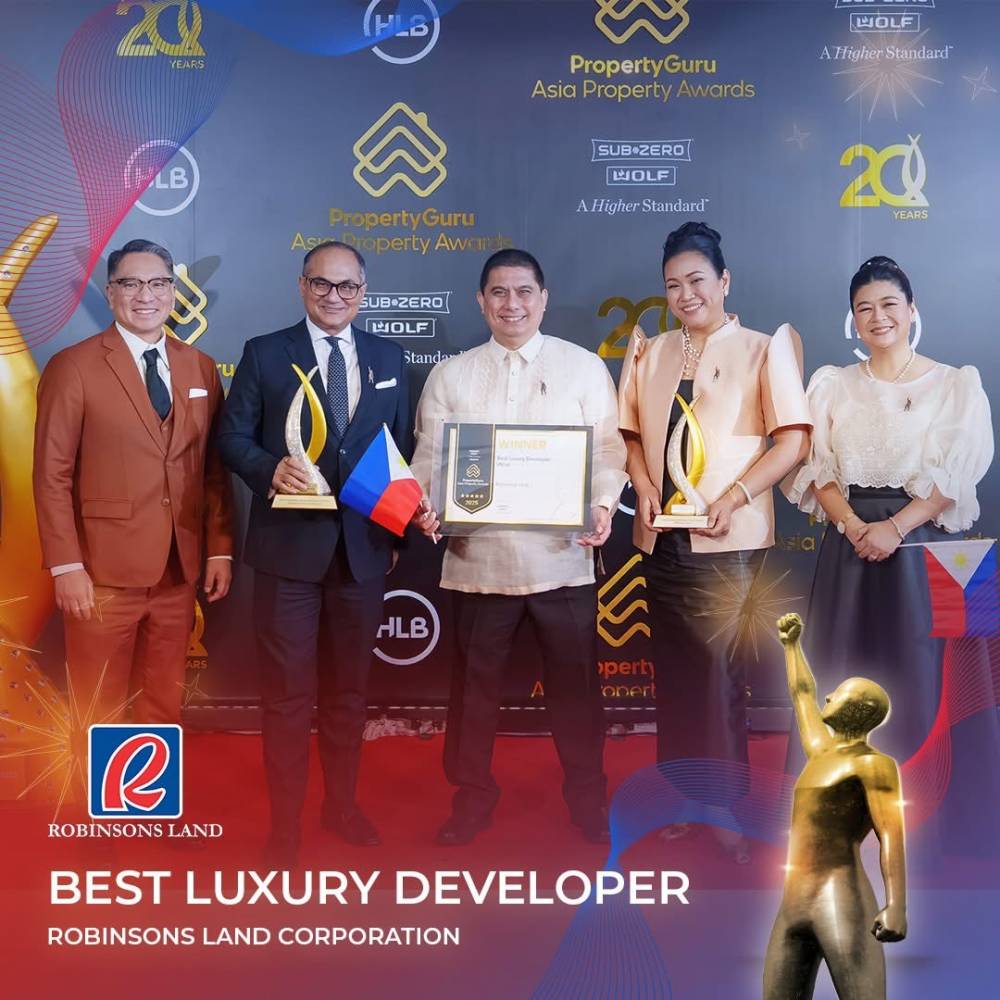
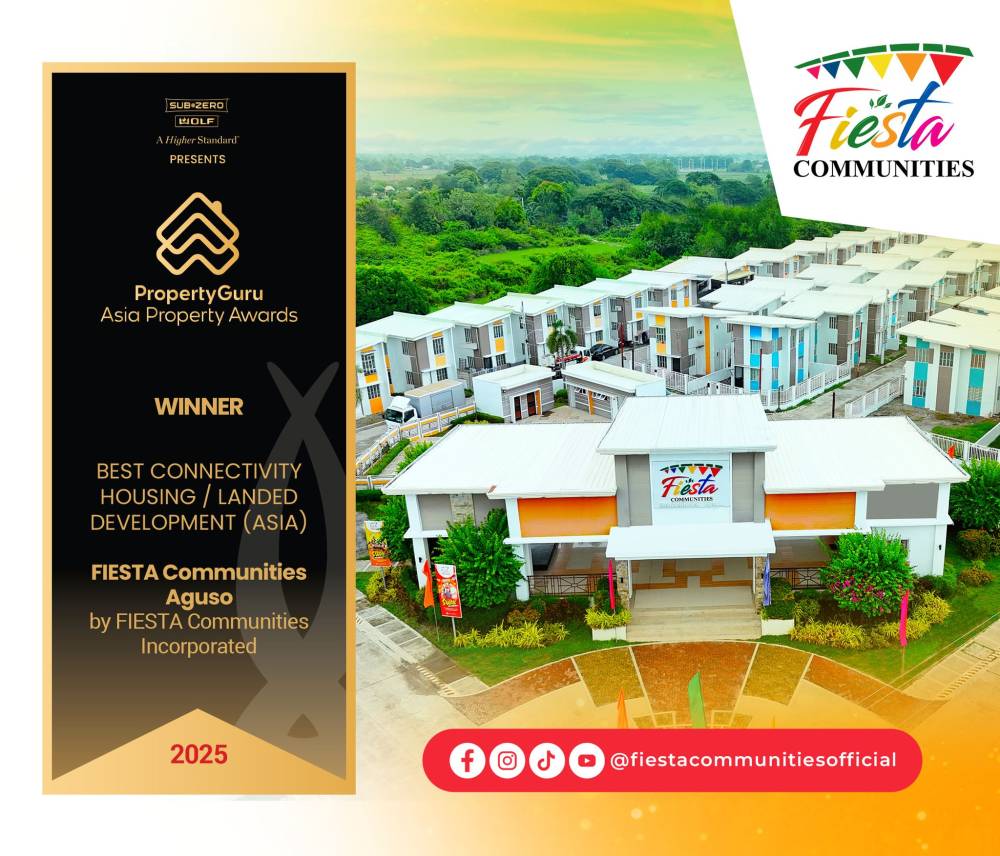
The developer secured the Best Luxury Developer (Asia) title, with additional wins for The Mall
NUSTAR, The Victor at Bridgetowne, and work.able at GBF Center 1. Each of these projects pulls a different urban lever. NUSTAR’s retail component in Cebu amplifies resort-scale entertainment. The Victor meanwhile anchors the emerging skyline in the Bridgetowne district in Pasig City.
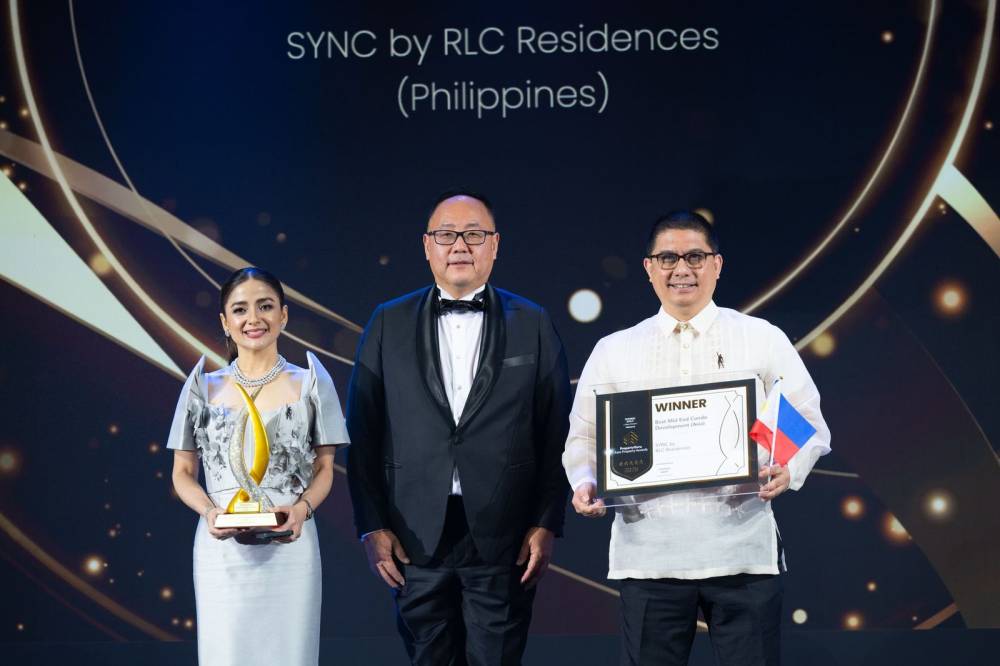
Robinsons Hotels and Resorts received a hospitality citation, and RLC Residences earned recognition for The Residences at The Westin Manila and SYNC. These awards showcase a strategy linking hospitality, residential, retail, and workspace into a cohesive portfolio.
Aboitiz estates and industrial gravity
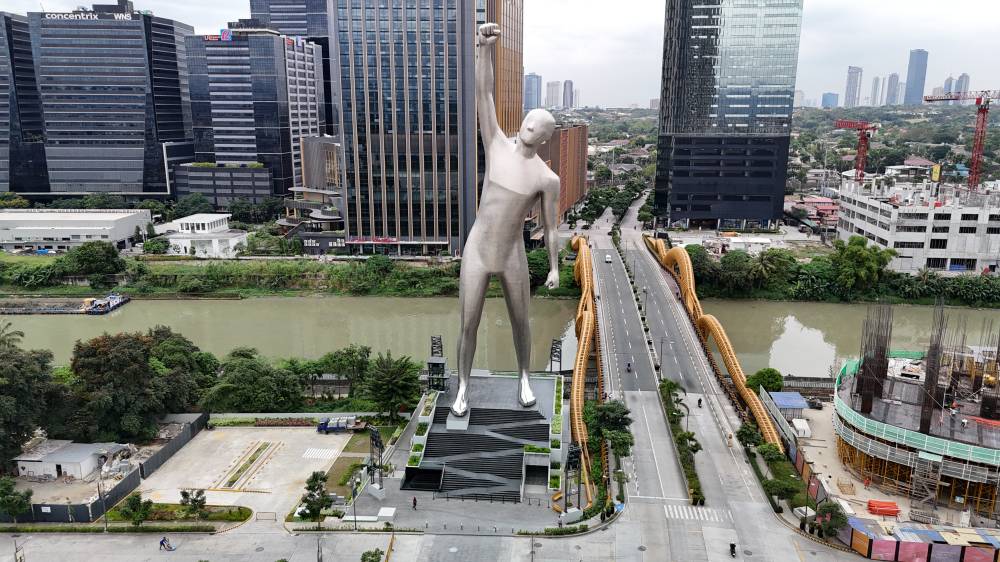
LIMA Estate in Batangas earned the Industrial Development (Asia) Award, validating the estate’s long-term effort to integrate manufacturing, logistics, worker housing, and estate-scale utilities into a coherent growth platform.
Behind that win sits Aboitiz Economic Estates’ broader role as an industrial developer and steward of export-oriented corridors. Its projects have invested heavily in power reliability, water systems, and transport links, often years ahead of surrounding urbanization.
Aboitiz Land’s Seafront Residences added a new dimension with its Best Waterfront Housing accolade, demonstrating that the same group that builds factories and logistics parks can also shape seaside neighborhoods for families and leisure seekers.
Connectivity and community in FIESTA neighborhoods
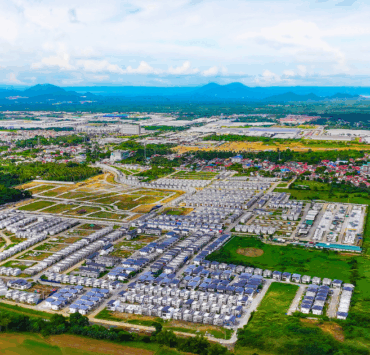
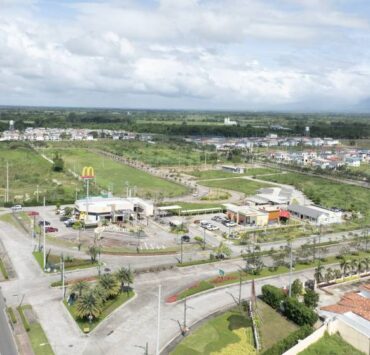
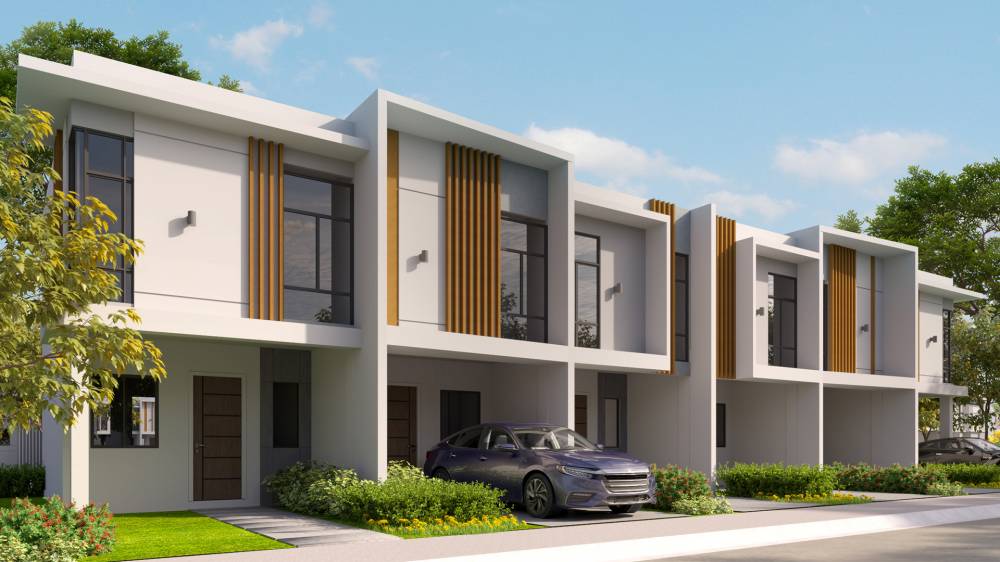
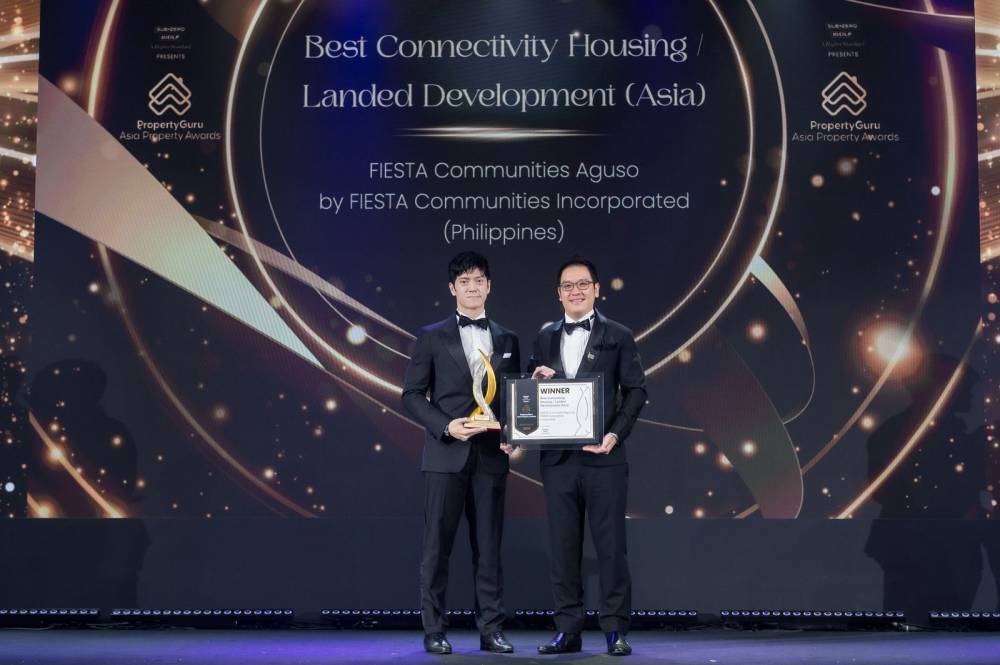
FIESTA Communities Aguso in Tarlac received the Best Connectivity Housing/Landed Development (Asia) title, an award that evaluates everyday circulation rather than postcard views.
The project is located along MacArthur Highway and benefits from access to public transport, employment centers, and social amenities.
Prioritizing connectivity through road hierarchy, transport access, and community facilities as key design elements demonstrates that Philippine af fordable housing can gain international recognition for urban planning.
SMDC Symphony in the finalists’ circle
SMDC Symphony Homes reached the Grand Final as a regional finalist through Sunnyhomes in the affordable or landed housing category after earlier national recognition in the Philippines Property Awards.
That journey from local trophy to Asia shortlist is significant even without a regional title.
Sunnyhomes and Sunnyvale 1 are compact-lot, village-style homes targeting working households in provincial cities. A finalist spot proves this type, with amenities like clubhouses, parks, and commercial strips, competes well against larger market affordable housing. For SMDC, traditionally focused on vertical projects, this shows a move into horizontal communities.

The mindset shift ahead
The 2025 Grand Final suggests a more profound shift in how Philippine developers view themselves in relation to the region.
These 10 regional wins and finalist slots across categories required patient years of building estates, refining products, and aligning design language with sustainability benchmarks and community metrics. The Philippine real estate industry has begun to play a longer game, treating every project as a potential regional reference.