







Fortune flows through the Filipino home

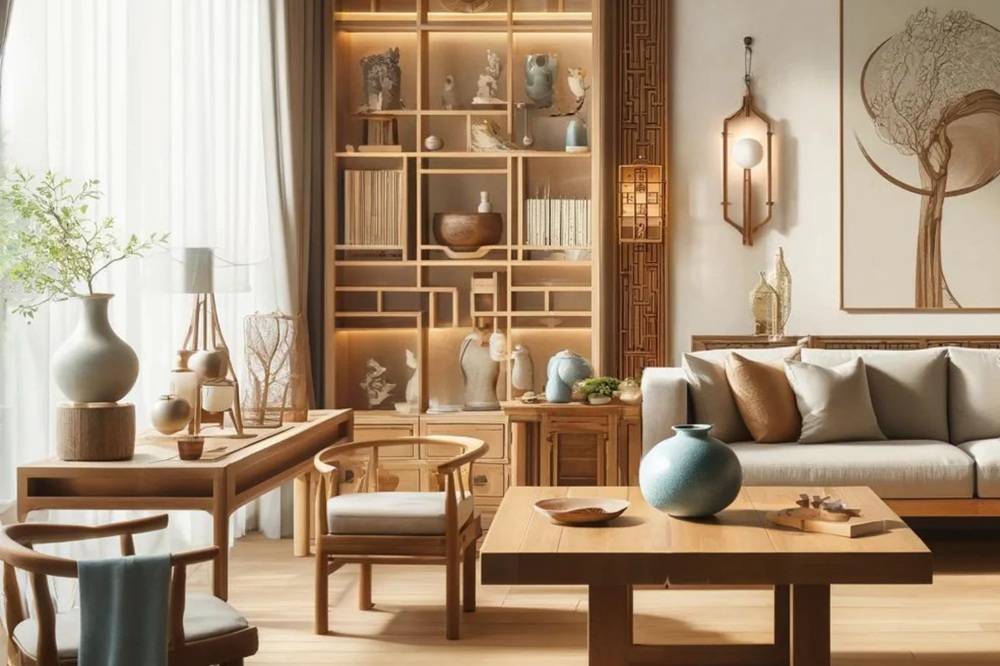
On 17 February 2026, the Chinese New Year welcomes the Year of the Fire Horse, and Filipino cities glow with red lanterns, parol lights, and trays of tikoy and bibingka.
The celebration spills into homes where families share both Chinese and Filipino roots, carrying two rich traditions under one roof.

Shared traditions of welcome
Fortune starts at the gate and enters through the front door. Aim for a clear, comfortable path that allows a guest to walk without turning sideways.
If potted plants crowd the walkway, edit them down to a few healthy pieces with rounded leaves that feel friendly.
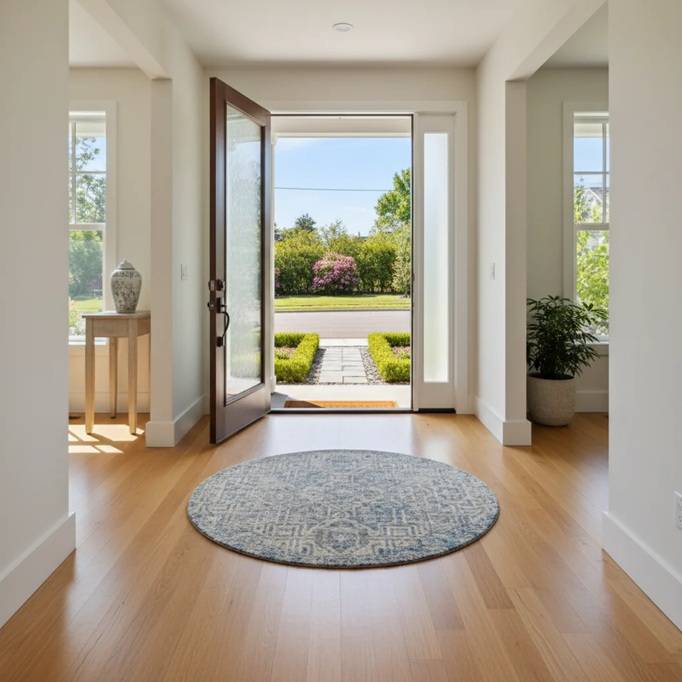
Replace any tired mat with one that lies flat and feels solid underfoot.
The door leaf should swing fully without bumping into shoe racks or shopping bags. Clear one arm’s length of space behind the door and place a simple tray or bench for shoes. A porch or foyer light with a warm tone finishes the welcome and signals the household is awake.
Mapping energy in familiar layouts
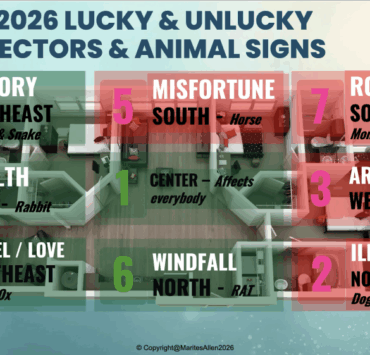
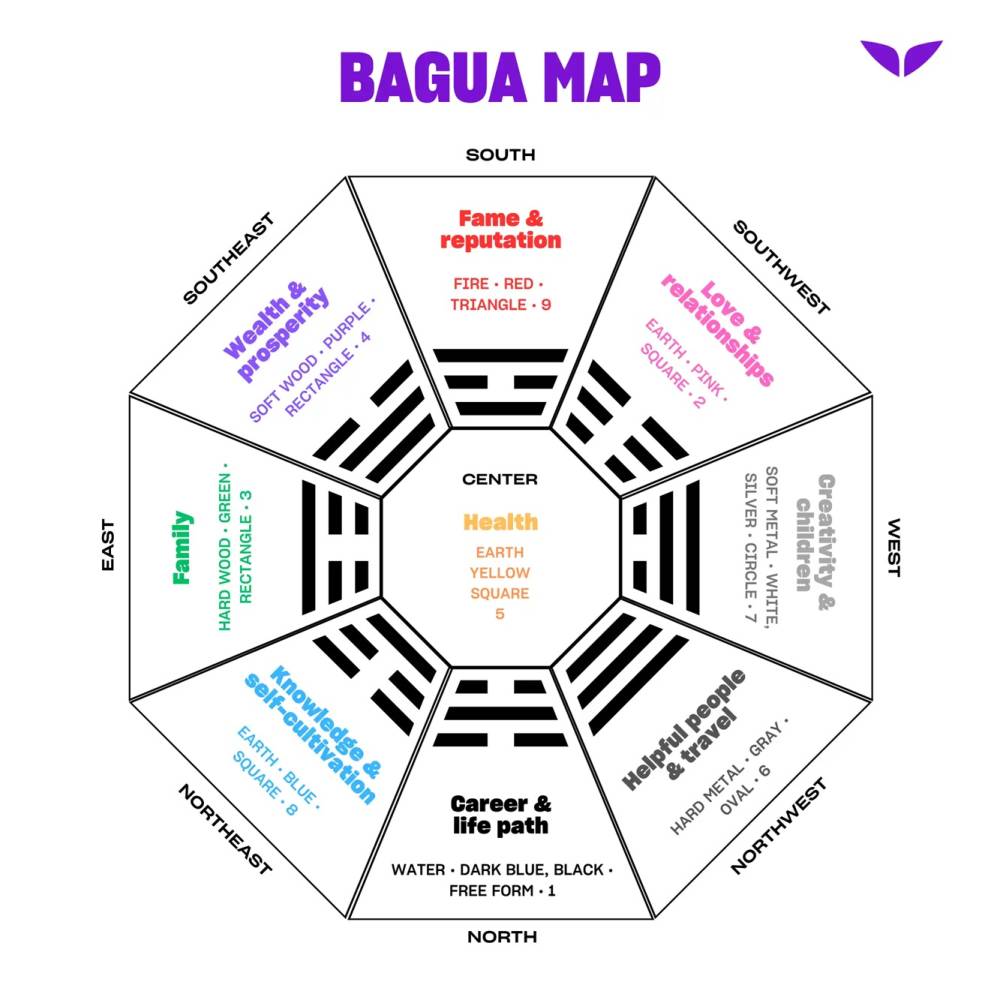
The traditional bagua map may seem complex, but it simplifies when aligned with Filipino layouts.
Think of it as a nine-square grid overlaying your home, guiding your intention for each zone.
Stand at your main door facing inside and imagine dividing your floor plan into three rows and three columns of equal size. The center often falls on the sala in a typical bungalow or townhouse, which makes this area the heart of health and daily connection.
The back-left zone, from your point of view, links to wealth and resources, while the back-right zone often relates to relationships and partnerships.
In a condo, these key squares may fall on only a few steps of floor area. Keep the center free of heavy storage, avoid turning the wealth corner into a parking area for boxes, and make sure the relationship side does not become a dark pile of unused appliances. A small lamp, a plant, or a family photo in these places is enough to mark intention.
Rooms that carry prosperity
Arrange the living room seats so the main sofa faces the door or entry, not a blank wall, so occupants can see who comes and goes.
Keep a clear path around the coffee table for elders and children. Soften the TV’s black screen with an artwork or shelving to add warmth.
The dining table showcases prosperity through shared food. A round or gently shaped table fosters conversation, but a rectangular one can also promote good energy if all diners see each other easily.
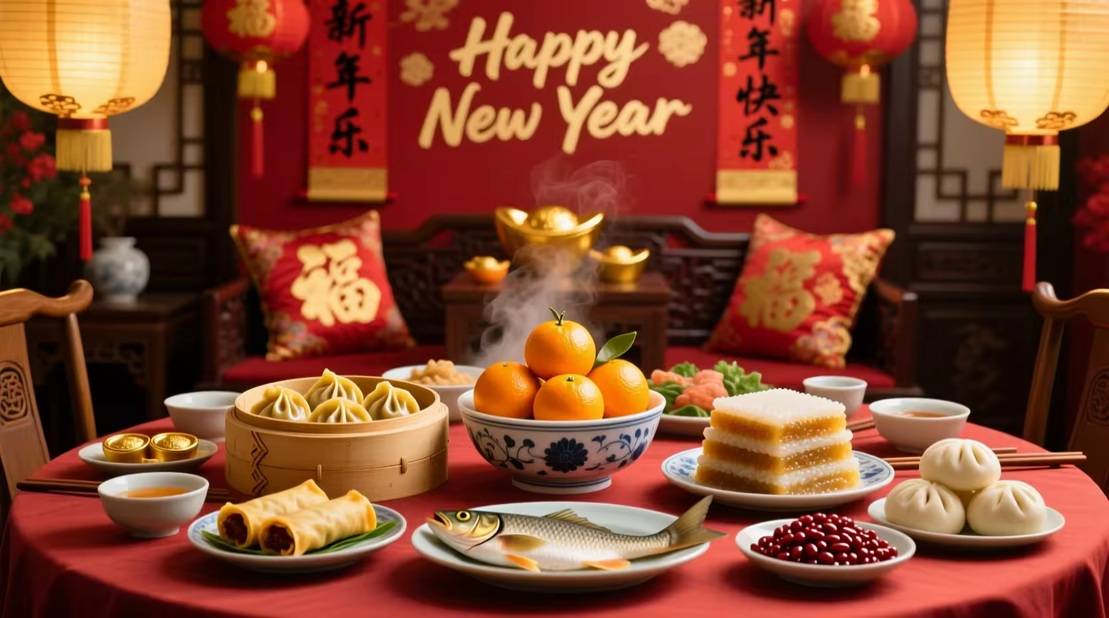
During the New Year, place a low centerpiece like a bowl of oranges or pomelos, and ensure chairs are stable and comfortable.
In the kitchen, feng shui observes the relationship between the stove (fire) and sink and refrigerator (water). Filipino kitchens often have these fixtures close together.
Use simple remedies if layout is fixed. Maintain at least a hand width of counter space between sink and stove, with a wooden chopping board or tray as a symbolic bridge. Keep burners clean, store knives out of sight, and ensure good lighting.

The main bedroom energizes those who earn and care for the family. Ideally, the bed has a headboard against a solid wall, with space for side tables. The sleeper should see the door from the pillow without lying in line with it.

Moving the bed a few inches if it’s against a wall can improve balance and ease movement. Clear under-bed storage to avoid forgotten items that weigh down rest.
Colors textures and symbols in one language
Feng shui draws on five elements.
Wood energy appears in timber furniture, rattan chairs, and woven banig mats. Fire shows through warm accent lighting, candles for prayer, and small touches of red or coral in textiles.
Earth arrives through clay jars, textured paint, or stone surfaces in gardens and terraces. Metal speaks through capiz shells, brass trays, or stainless railings, while water appears in glass, mirrors, aquariums, or a simple, clear bowl that holds floating candles.
The goal is harmony. Choose a few materials that feel authentic to your family story, rather than filling every surface with symbols.
Prosperity as a daily practice
When families contemplate where they eat, pray, work, and sleep, good fortune stops feeling abstract.
It shows up as calmer mornings, kinder conversations, and the quiet confidence that two cultures can thrive under one roof while the home itself steadily supports the life everyone is building together.