







Government intervention a potent housing backlog solution


Metro Manila’s condominium market is seeing an early but uneven recovery.
Latest Colliers Philippines data showed a shift toward affordability, with a greater share of demand now coming from end-users. Economic and affordable units dominated demand in the first quarter of 2026, accounting for 74 percent of take-up, as government-led interventions like the 4PH program and flexible developer financing accelerated absorption and cut inventory life to 6.8 years from more than 13 years.
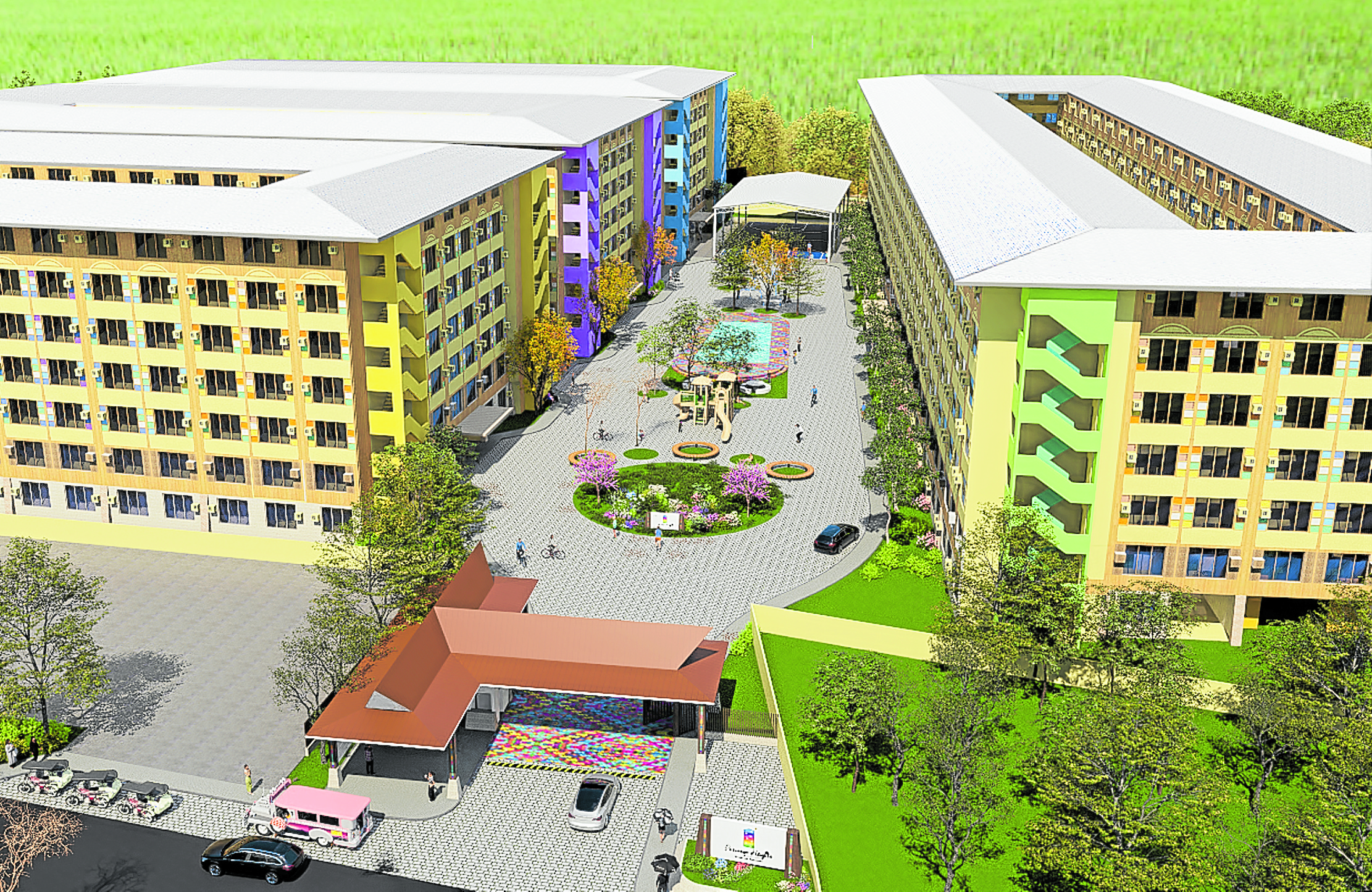
It is notable that even local government units (LGUs) are actively participating in this initiative, with the likes of Caloocan partly filling the affordable housing gap in the capital region.
Colliers Philippines believes public-private collaboration should not be limited to infrastructure projects. It should also play a stronger role in helping bridge the country’s massive housing backlog.
Economic, affordable segments doing the heavy lifting
Historically, the mid-income segment (P3.6 million to P12 million a unit) dominated pre-selling condominium take-up in Metro Manila.
However, Colliers noted a significant shift in Q1 2026, when the economic and affordable (P1.8 million to P3.6 million a unit) segments dominated condominium demand. From a 27 percent share in Q4 2025, the segments’ share has substantially increased by almost threefold to 74 percent in Q1 2026.
The significant boost in take-up in the economic and affordable segments also helped improve remaining inventory life (RIL) in Metro Manila, dropping to 6.8 years or 81 months as of Q1 2026.
4PH doing wonders
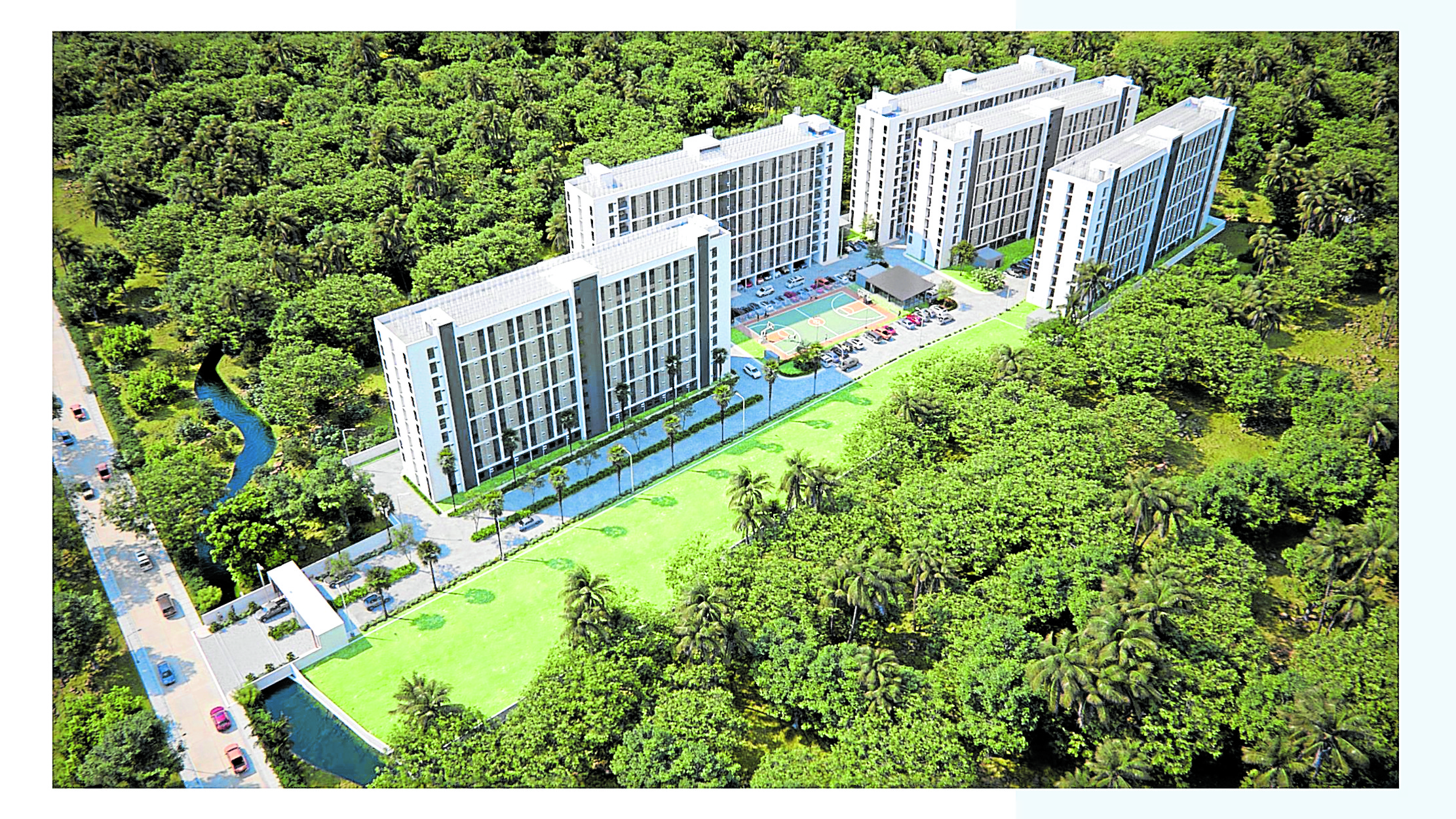
The Pambansang Pabahay para sa Pilipino Program (4PH) is President Ferdinand Marcos Jr.’s flagship housing initiative aimed at reducing the 6.5-million housing gap by 2028.
The program provides subsidized housing through Pag-IBIG Fund loan support. Qualified beneficiaries include informal settler families, low-income earners, government employees, and overseas Filipino workers.
Developers, contractors, LGUs, and joint venture entities are encouraged to join in the program.
Residential units should have a minimum size of 22 sqm. Buildings may be classified as walk-up (with four floors); mid-rise (five to nine floors); and high-rise (10 floors and above).
Registered developers under the 4PH Program are entitled to several tax incentives, including exemptions from project-related income taxes, capital gains tax on raw land used for the project, transfer tax, and donor’s tax on lands donated for socialized housing purposes.
The Department of Human Settlements and Urban Development (DHSUD), in partnership with other national agencies, will work closely with the public and private sectors to address the sector’s two major bottlenecks—affordability and access to funds.
Maximizing public-sector led initiatives
One economic housing project that saw stronger take-up in Q1 2026 was a mid-rise development in Tondo offering rent- to-own studio units, with monthly amortizations ranging from P5,000 to P7,000.
These affordable payments were made possible through interest subsidies under Pag-IBIG’s expanded 4PH program.
Local governments can also take an active role in helping address the housing backlog.

For instance, the Caloocan City government has committed to participate in the 4PH program through two condominium developments, Deparo Village and Bankers Village. The projects aim to address Caloocan’s growing demand for public housing, offering nearly 2,000 condominium units ranging from 24 to 27 sqm, priced between P1.2 million and P2.1 million per unit.
Public-private sectors bridging the housing gap
As of Q1 2026, Metro Manila’s unsold condominium inventory stood at 78,600 units, 27,900 of which are ready for occupancy (RFO).
The lower mid-income segment (P3.6 million to P7 million a unit) continues to account for majority of these unsold RFO inventory.
To address the condominium oversupply in this market, several developers have aggressively offered attractive and innovative promos such as bigger discounts, lengthened payment terms, and rent-to-own schemes in some of their projects. The promos appear to have worked, as Colliers recorded an improvement in take-up for mid-income residential units in 2025.
Meanwhile, the affordable to economic segments accounted for 42 percent of unsold RFO units in Metro Manila. Colliers recommends that developers maximize public sector-led initiatives such as the 4PH program. We believe that these initiatives should help improve take-up especially for lower-priced residential units.
Public-private partnerships are popular in implementing massive infrastructure projects that benefit the Philippine economy and property.
It’s about time that the same scheme involving private developers and the government is utilized in solving the massive housing backlog in the Philippines.