










Greening the real estate industry


The real estate industry is central to urban development and to the goal of creating an environmentally sustainable future.
Yet it also consumes significant natural resources, accounts for more than 20 percent of global carbon emissions, and contributes to waste production and pollution.
Its environmental impact will become even more critical as global socioeconomic forces reshape cities. By most projections, the world population will exceed 8 billion by 2030, with over 60 percent, or 4.9 billion people, living in urban areas. This will drive significant growth in construction and real estate.
As climate concerns grow and regulations tighten, sustainability strategies are becoming essential. Sustainable real estate can reduce environmental impact while enhancing asset value, operational efficiency and long-term profitability.
The question now is how the industry can transition toward greener practices, and what challenges it must overcome.
Integrating sustainability
Real estate sustainability refers to designing, constructing, operating and managing properties in ways that reduce environmental impact, enhance social well-being and drive long-term economic value.
It covers strategies like improving energy efficiency, reducing waste, using sustainable building materials and integrating smart technologies. The goal is to create buildings that are environmentally responsible, resource-efficient and financially viable in the long run.
Integrating sustainability into real estate development projects offers numerous advantages.
One is increased property values. The construction of sustainable buildings is usually associated with higher market prices and rental rates due to their increased efficiency and desirability.
Operational cost savings is another benefit. Energy-efficient installations and sustainable materials can significantly reduce utility bills and maintenance costs over time.
Another benefit is market differentiation. Sustainable development helps organizations stand out in a competitive market, attracting environmentally conscious tenants and investors.
Risk mitigation is still another benefit. Sustainable buildings are often more resilient to environmental risks, reducing potential liabilities and insurance costs.
Sustainability strategies
Developers, investors, and property managers can integrate the following strategies to create more sustainable, resilient properties.
Energy efficiency and renewable energy. Smart building technologies, AI-driven energy management, motion-sensor lighting and programmable thermostats optimize energy use. High-performance insulation, energy-efficient windows and airtight construction reduce cooling needs, while solar panels, wind turbines and geothermal systems provide clean energy.
Sustainable materials and circular economy. Low-carbon, recyclable materials like bamboo, reclaimed wood and recycled steel minimize environmental impact. Modular, prefabricated construction reduces waste, while circular economy practices promote material reuse.
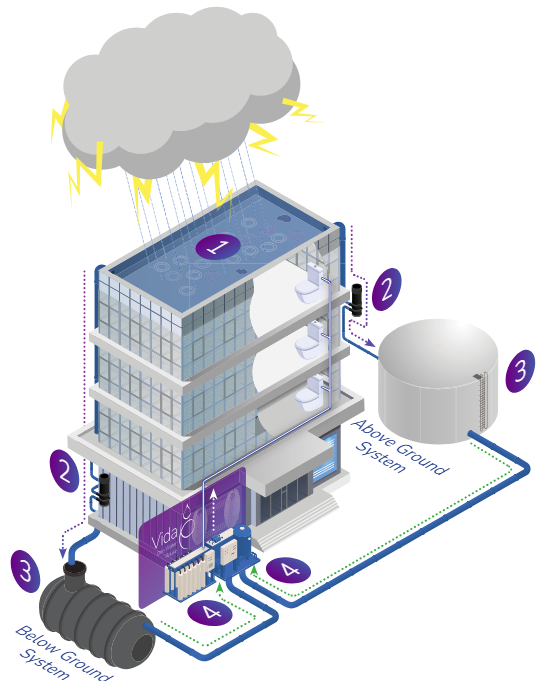
Water conservation and management. Low-flow fixtures, dual-flush toilets and sensor-based faucets cut consumption, while rainwater harvesting and greywater recycling reduce reliance on fresh water. Drought-resistant landscaping also minimizes irrigation needs.
Sustainable waste management. On-site sorting, recycling stations and composting reduce landfill impact, while green waste disposal services and sustainable packaging materials further improve sustainability.
Indoor air quality and well-being. Sustainable buildings support healthier indoor environments through HEPA filtration, energy recovery ventilation and low-VOC paints. Natural light and biophilic design elements improve well-being and productivity.
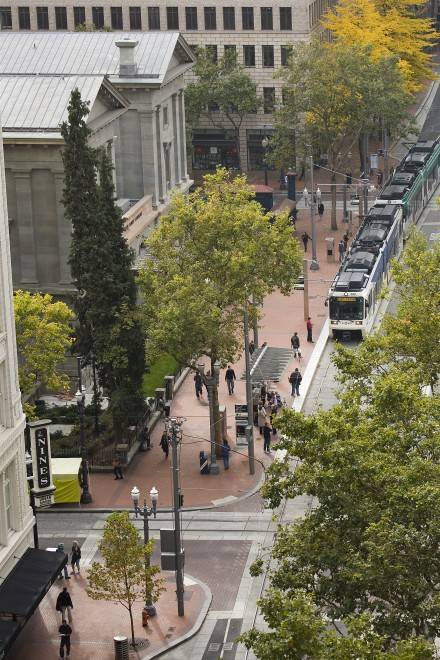
Urban planning for smart cities. Sustainable urban development reduces emissions and enhances livability. Mixed-use developments, EV charging stations, walking and cycling infrastructure, and public transport access promote low carbon mobility, while rooftop gardens, rain gardens and urban forests boost biodiversity and air quality.
Green building certifications. Building certifications like LEED, BREEAM, and GREEEN enhance asset value and tenant demand.

The challenges
Achieving real estate sustainability is crucial but comes with major challenges, starting with high costs and financial barriers. Sustainable building technologies and materials often require higher upfront investment, despite long-term savings.
Compliance is another hurdle as some regulations and ordinances make the process complex.
Adoption of green technologies also remains slow, as many real estate professionals still lack expertise in smart energy systems, AI-driven management and circular construction. Standardized benchmarks for new technologies are also limited.
Supply chain issues add to the challenge as low-carbon materials remain difficult to source.
Perhaps the most difficult barrier is resistance to change. Many developers and investors remain hesitant due to perceived costs and unclear incentives.
Way forward
Despite these challenges, the shift to sustainable real estate is already underway.
As cities grow and climate risks intensify, the industry must keep innovating through energy-efficient designs, sustainable materials and smarter urban planning. High costs and regulatory complexities remain, but the long-term benefits outweigh the obstacles.
There is no doubt a clear business case for sustainability in the built environment. It can improve returns, reduce risks and enhance value at the building, portfolio and city levels.
Sustainable real estate is no longer just about compliance. It’s a blueprint for resilience, profitability and long-term value creation. Those who act now will gain a competitive edge and help define the future of the built environment.
The author is the principal urban planner of CONCEP Inc., a consultancy firm specializing in ecosystem-based urban planning and design



Clustering is the best way for agriculture