







Learning to see sustainability differently

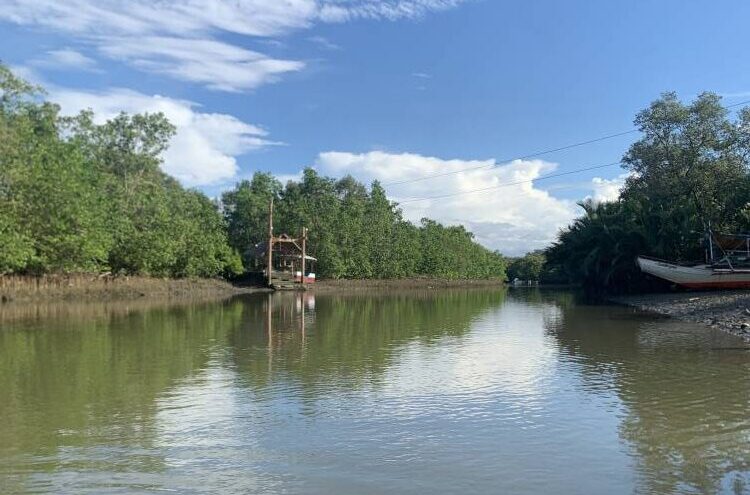
The new year usually brings a pause. At least, that is how I experience it.
It is one of the few moments when slowing down does not feel irresponsible. You look back, take stock, and quietly ask what stayed, what failed, and what changed you.
For me, 2025 was not gentle. It stretched me professionally and personally, testing judgment, patience, and endurance. Some lessons were costly. Others were simply exhausting.
Moving forward
But as 2026 begins, I realize I am not starting from zero. I am moving forward carrying what experience has already shaped.
One decision stood out last year—beginning postgraduate studies under the Doctor of Sustainability program at the University of the Philippines Open University (UPOU).
I finished my first semester just as the year ended. I expected the workload—research, writing, late nights of reading. That part was familiar. What I did not expect was how often I would feel unsure.
Doctoral study has a way of stripping away the comfort of expertise. It reminds you that sustainability is not something you “know” and move on from.
Sustainability as a conversation
Early in the program, we were asked to look at sustainability through worldviews and complex systems. That shift stayed with me.
Sustainability stopped feeling like a set of tools and started to feel like a conversation shaped by people, values, and context.
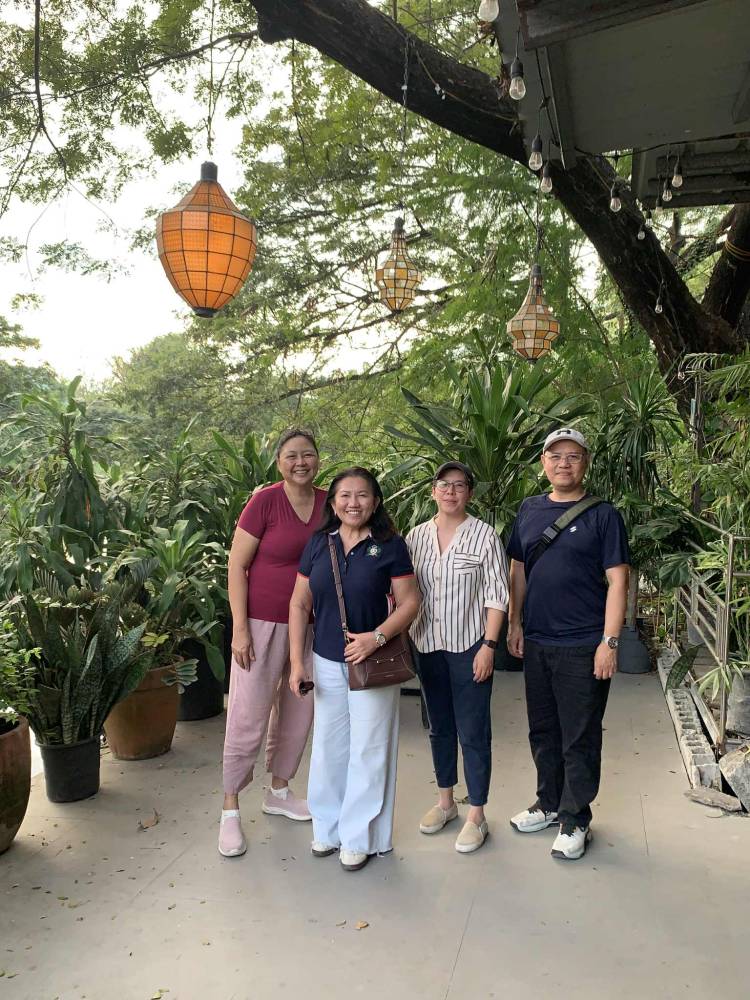
I am grateful for the guidance of our faculty—Leo Mendel D. Rosario, Rodelio Subade, and Jabez Joshua M. Flores—whose perspectives grounded our work. I am also thankful for the leadership of our program chair, Ricardo T. Bagarinao, and UPOU chancellor Joane V. Serrano, who fostered a learning space where collaboration mattered more than performance.
Much of this learning unfolded through group work. Our research team began with seven members. Over time, due to fieldwork demands, differing priorities, and the realities of collaboration, we became four—Aji, Nora, Mel, and myself. It was an honest reminder that sustainability work is demanding, and commitment often reveals itself slowly.
Understanding the problem
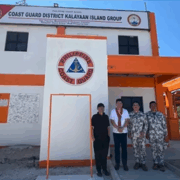
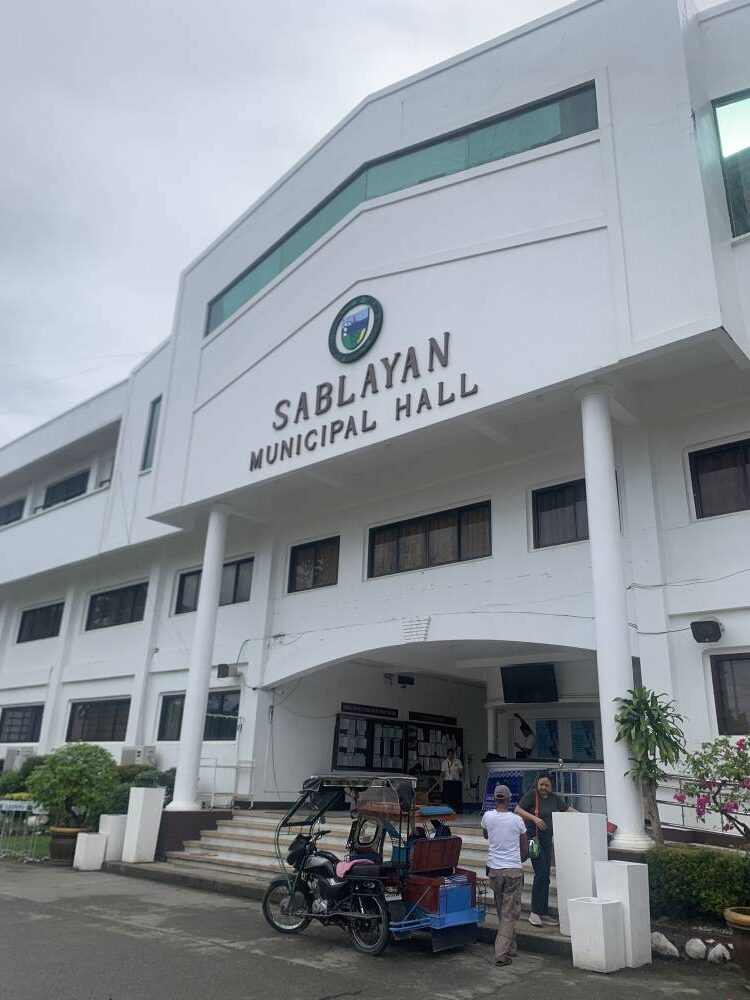
Our work brought us to Sablayan, Mindoro, where we studied flooding and community responses on the ground.
Being there changed how I understood the problem. Flooding was not just about water levels or infrastructure. It was about memory, livelihoods, and trust. Technical solutions mattered but only if people believed in them.
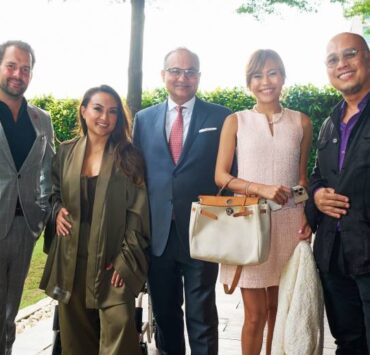
As the year turned, the four of us found time for a small, simple get-together. It reminded me that sustainability work is relational before it is technical.
Lived learning
This article begins a personal series. While postgraduate study provided the entry point, the columns that follow will not focus on academic papers or research arguments. They will reflect on lived learning—how sustainability shows up in everyday decisions involving property, homes, workplaces, and communities.
In the coming weeks, I plan to write about things that seem simple but are often overlooked: How building orientation and daylight shape comfort long before machines are added; what renewable energy adoption really feels like for property owners; how circularity begins with habits, not policies; and why sustainability struggles when human behavior and worldviews are ignored.
I am still learning. That may be the most honest thing I can say. And perhaps sustainability begins there—with attention, humility, and a willingness to see things differently.
The author is a USGBC LEED fellow, UAP Notable Architect Awardee, Asean architect, educator, with more than 25 years of experience in architectural and interior design, corporate real estate, construction, property, and facilities management