










Lower energy bills by design

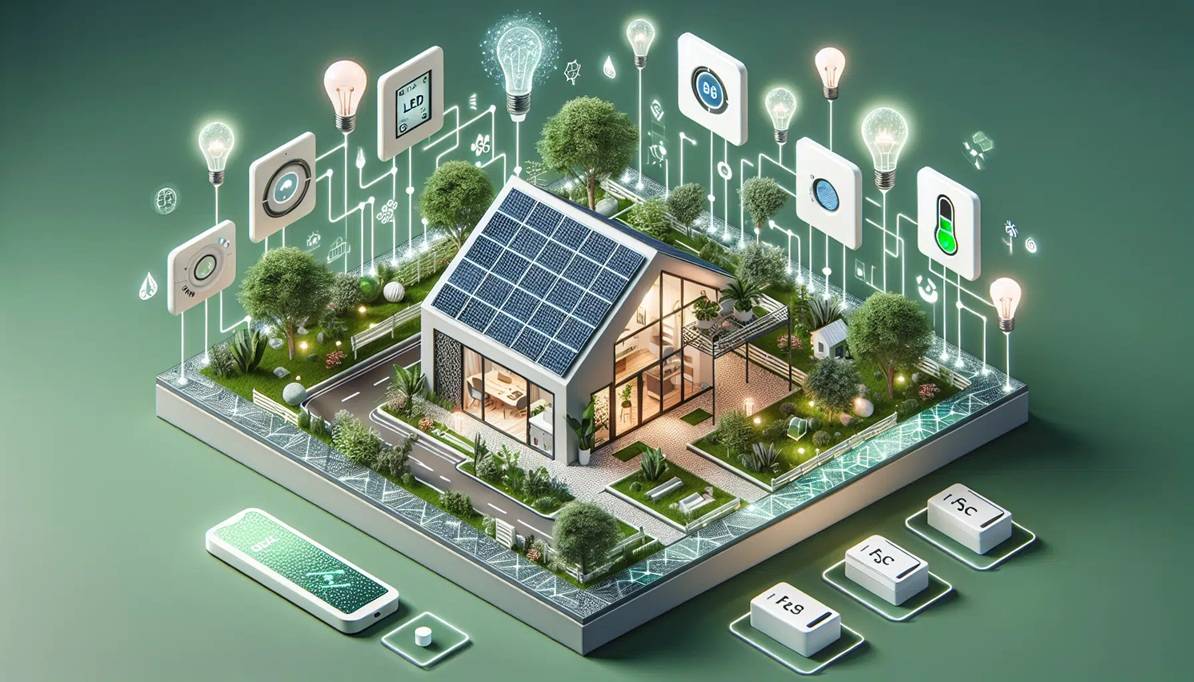
Electricity costs influence how we plan, budget, and live in our homes.
Monthly utility bills often quietly impact family budgets, and builders find themselves answering a growing question from buyers who want homes that stay cool and energy-efficient through long tropical summers.
In this context, the idea of a smart home becomes incredibly relevant. It provides a practical and effective way to manage energy use accurately, turning the house into a proactive safeguard against rising operating costs.
The costly climb
Power prices rise for reasons that reach far beyond the light switch.
In the Philippines, residential electricity bills reflect generation charges, transmission costs, ancillary services, taxes, as well as movements in fuel prices and foreign exchange rates. Meralco said in previous notices that increases in residential rates can be driven by higher generation charges, fuel prices, reserve market costs, and weaker peso.
Climate adds another layer. A warm country naturally leans on air conditioning, refrigeration, and mechanical ventilation for comfort.
A house with broad west-facing glass, shallow eaves, weak insulation, and scattered planning places a heavier burden on cooling systems every single day. Energy costs rise in the market, then deepen inside the home when design leaves comfort to machines alone.
A house that pays attention
A smart home is often mistaken for a collection of gadgets.
The stronger definition is simpler and far more useful. It is a home with connected systems that sense conditions, track consumption, and adjust operations with little friction. Lighting responds to occupancy and daylight. Cooling follows real need instead of habit. Appliances run on schedules that suit family routines and energy demand.
Many households know the total bill and very little else. Smart controls reveal where electricity goes, which rooms draw the heaviest load, and what habits keep power use elevated long after comfort has already been achieved. Once the waste becomes visible, savings stop feeling abstract.
Design before devices
Technology works best when architecture already carries part of the load.
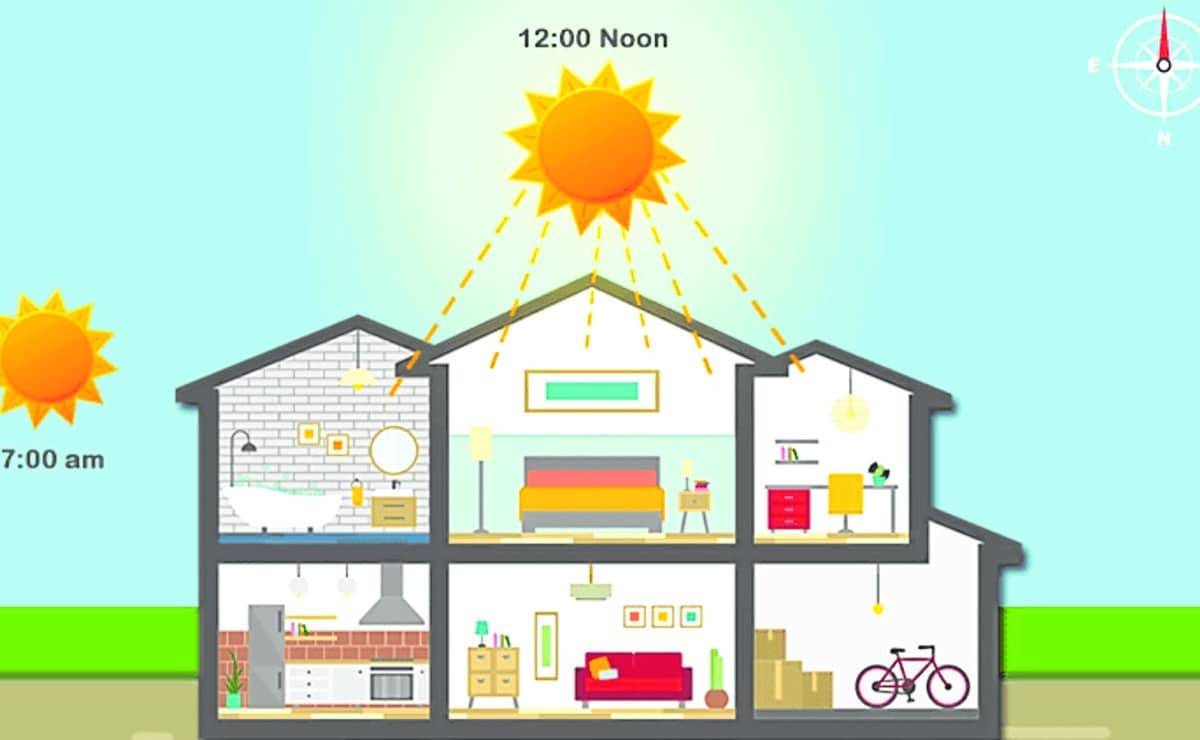
Good orientation reduces direct heat gain. Generous roof overhangs protect walls and windows. Cross ventilation keeps air moving through living spaces. Zoning allows families to cool occupied rooms instead of the entire house. Efficient appliances supported by the Philippine Energy Labeling Program strengthen the same discipline.
Sensors, timers, smart plugs, automated blinds, and home energy dashboards refine the performance of a house that was already conceived with climate in mind.
The International Energy Agency has observed that buildings equipped with digital controls and demand-response tools can help limit costly spikes in electricity use, while easing pressure on the grid.
Quiet savings
For homeowners, the financial benefit comes from small corrections made every day.
A smart thermostat or inverter control trims unnecessary cooling hours. Motion sensors keep guest rooms, corridors, and service areas from glowing through the night.

Smart plugs cut idle consumption from televisions, coffee machines, and chargers that sip power all day. Water heaters, laundry cycles, and electric vehicle charging can be scheduled for hours that place less strain on the household load profile.
Builders now increasingly position smart readiness, efficient cooling, app-based controls, and solar provision as value-added features as buyers pay closer attention to long-term operating costs.
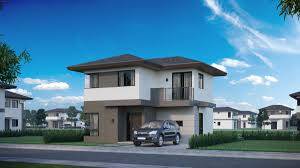
That attention to long-term performance is visible in the residential market, where Avida Land has presented climate-responsive housing features under its ClimAdapt direction. Nowadays, housing is appreciated not only for its appearance, but also for how well it performs.

Built for the next bill
The smartest house has systems that are calm, clear, and user-friendly. It shades well, cools efficiently, and empowers occupants with real information.
In times of rising utility costs, this quiet intelligence isn’t a luxury but essential protection. Energy saving homes maintain value, comfort, and dignity amid rising energy bills.
******
Get real-time news updates: inqnews.net/inqviber