






Metro South’s growing map of destinations and districts takes shape in Villar City

Metro South is proving to be more vibrant and progressive than ever.
Spaces to dine, meet, shop, work, and unwind are opening closer to home, while familiar drives now lead to entirely new neighborhoods and prime commercial addresses.
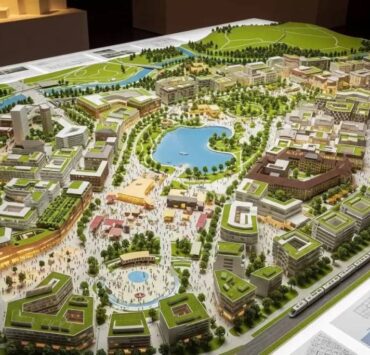
Much of this growth, unsurprisingly, traces to the 3,500-hectare Villar City, an emerging megacity shaping Metro South’s growing map of destinations and districts—each strengthening a business and lifestyle environment that feels increasingly complete and connected.
Today, ongoing developments and projects in the pipeline illustrate how Villar City, which spans 13 cities and municipalities in the capital region and Cavite province, continues to prime Metro South.
Retail hubs provide commerce and social life; chapels anchor communities; districts organize expansion; roads improve access; green spaces enhance comfort; while leisure and business nodes ensure convenient, holistic lifestyles.
Active retail hubs
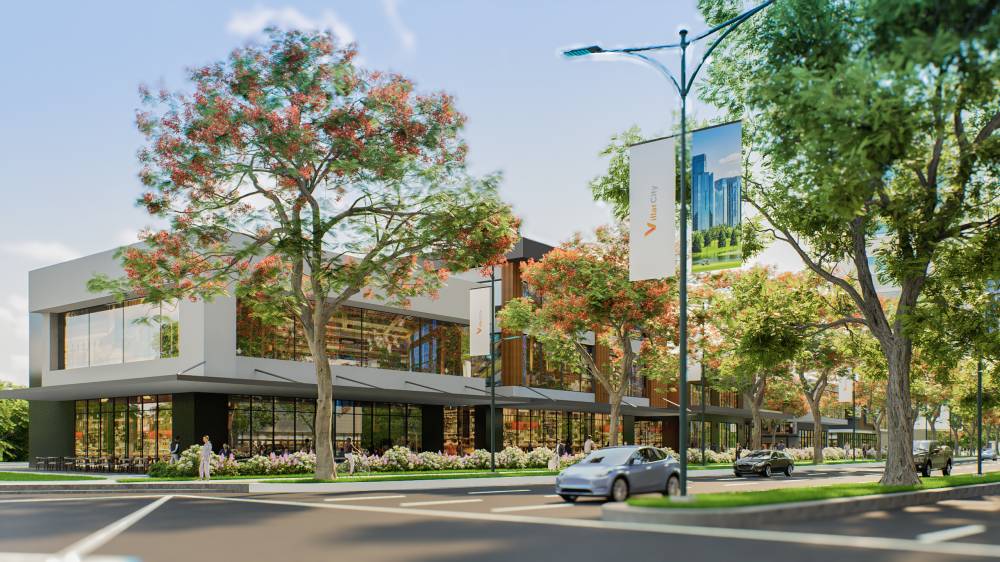
That expanding network of destinations is easy to see in how daily life in Villar City now moves between several active retail and dining hubs rather than a single commercial center.
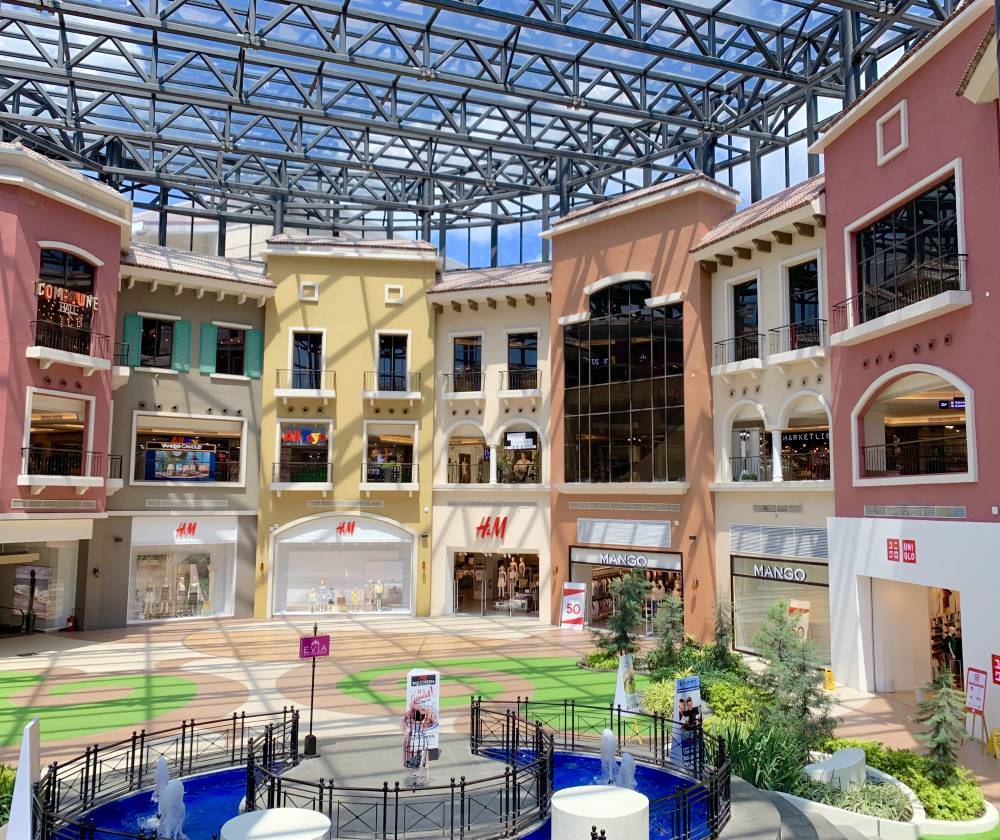
Villar City today has a comprehensive mix of lifestyle centers including NOMO in Bacoor and Evia in Las Piñas City; six Vista Malls in SOMO, Tanza, General Trias, Dasmariñas and Silang in Cavite; AllHome branches; as well as strip malls like Andersen’s. Spread across the megacity also are stand-alone cafes and dining destinations like like Forresta Cafe, Glasshouse, Joe Drive, Roma, and Hari’s Filipino Restaurant.
Each anchors its surrounding community while drawing people from across Metro South, so dining, errands, services, and entertainment are increasingly within easy reach.
As these destinations take hold across different districts of Villar City, they distribute activity throughout the south and give businesses access to multiple established markets within one megacity.
Spaces for reflection
As commercial areas expand, spaces for reflection and community are meanwhile taking shape across this landscape.
Villar City will have chapels in key locations. Set within landscaped grounds, these iconic chapels provide venues for worship, milestones, and gatherings that will help new neighborhoods feel established even early on.
Their presence alongside homes and retail centers ensures that community life grows in step with economic development, adding depth and identity to emerging districts.
Lifestyle destinations, residential communities
Recreation adds another dimension to this growing map.
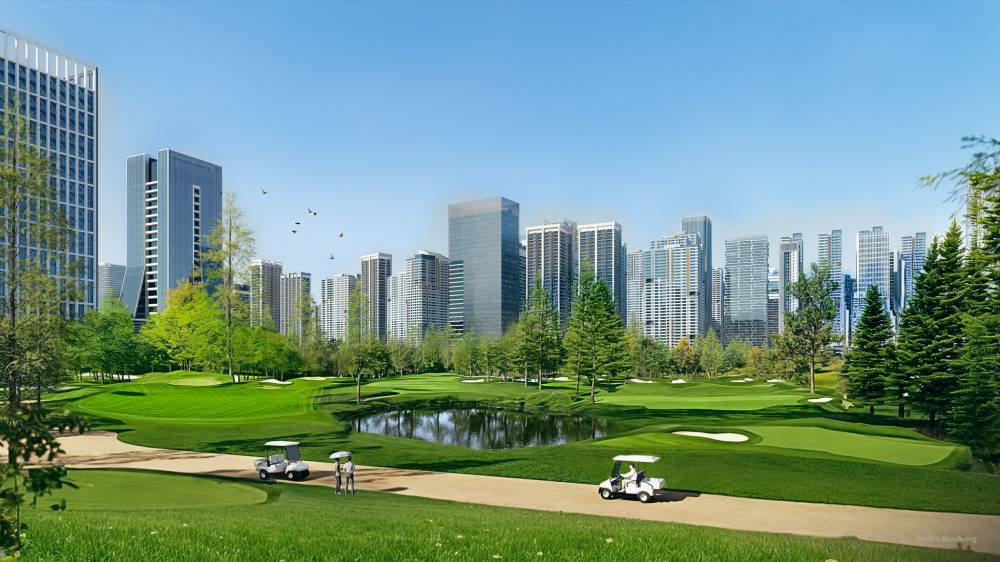
Two 18-hole golf courses and The Stadium at Villar City are poised to draw hospitality and lifestyle activity while attracting visitors across regions. These expand Metro South’s leisure landscape and strengthen its role as a destination in its own right.
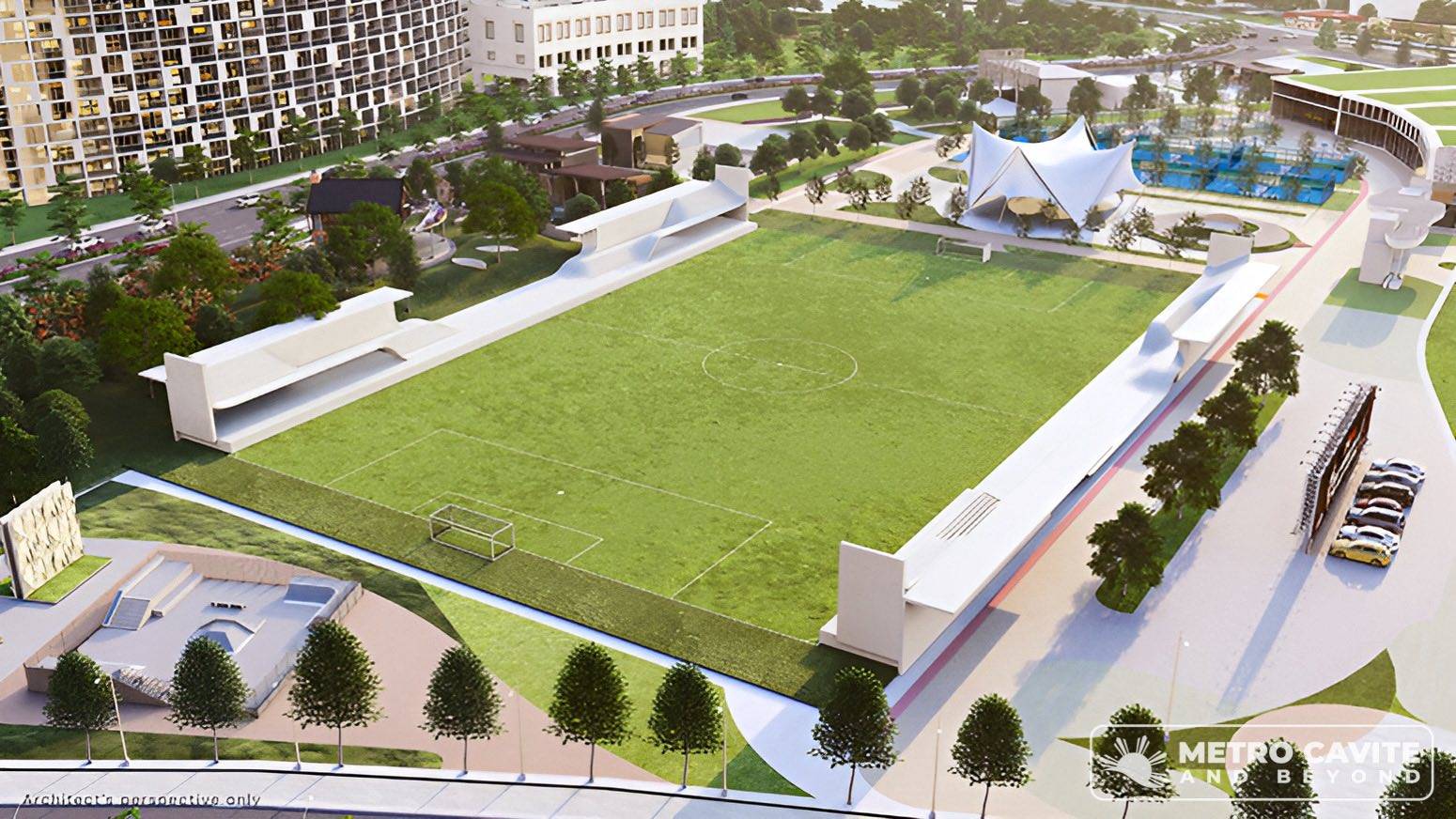
Meanwhile, residential communities and planned office zones continue to open across districts. This spurs economic activity, fuels growth, generates jobs, and improves purchasing power of consumers—thus reinforcing Metro South’s growth into a self-contained urban region.
Organized network
Linking all these hubs and destinations is a smart, masterplanned framework that makes movement across Metro South easy and convenient.
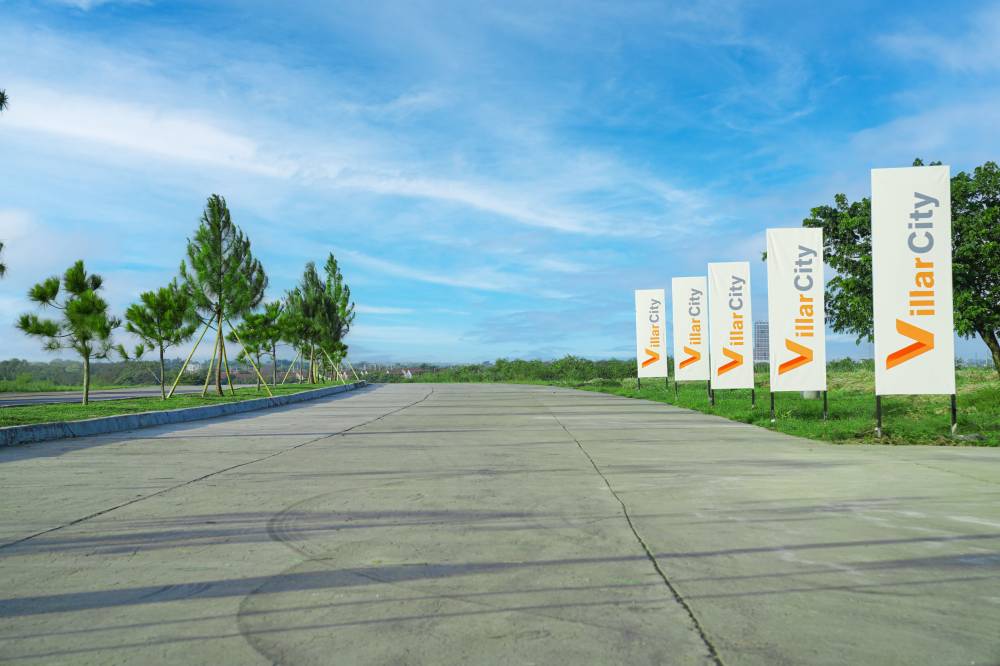
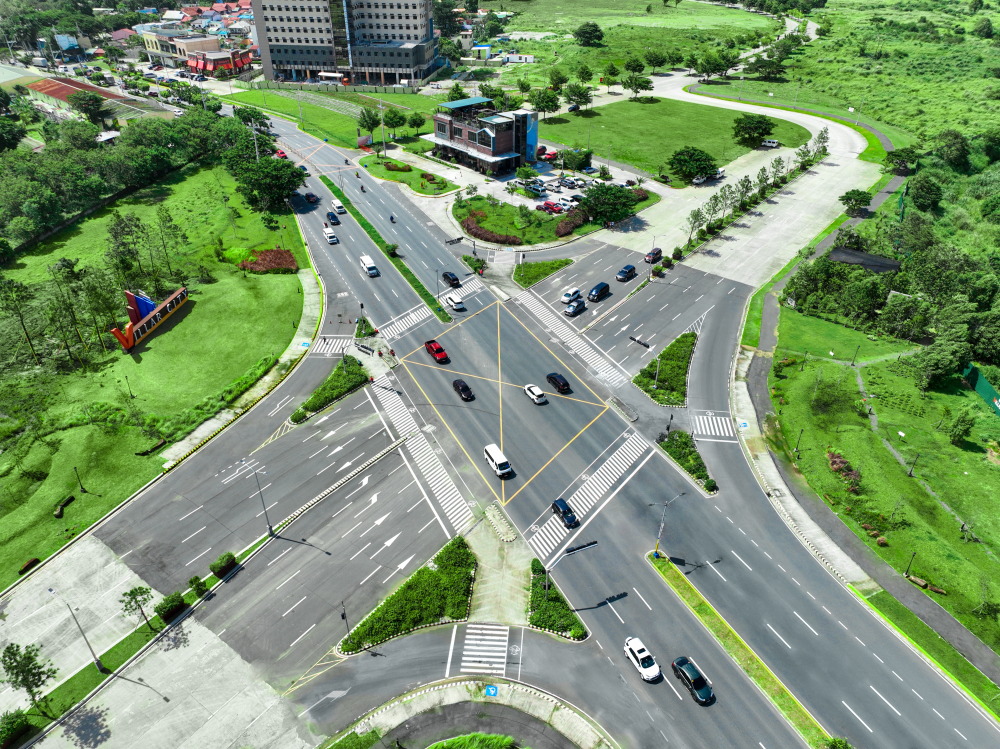
Villar City is organized into 16 districts like Evia, Emporia and University Town, which are grouped into bigger clusters like Metro North, Metro South, Metro West, among others. All these are connected by nine major crossings, anchored by Villar Avenue, an 18-km, 10-lane corridor.
This network allows direct travel across the megacity, connecting residential areas with malls, offices, parks, and leisure destinations.
Environmental investment
Amid this expanding urban setting, however, environmental investment remains visible.
Since Villar City’s launch three years ago, 432,000 trees have already been planted across this megacity, shaping shaded streets and open spaces that improve comfort and walkability. It also sits on a slightly elevated terrain, which helps reduce flood risk.
At the 5-ha Forresta for instance, air quality readings remain in the good range at 44.77 AQI, while biodiversity surveys with the Wild Bird Club of the Philippines have recorded 56 wild bird species within the estate. These indicators reinforce Villar City’s appeal as a green, sustainable yet still a progressive and dynamic setting.
Indeed, as Villar City continues to define the geography of a thriving quarter, so does it continue to prime a progressive Metro South.