





Progress needs green infrastructure


I realized recently that I knew those trees–not by species at first, but by habit.
The recent cutting of trees along Quirino Avenue and Roxas Boulevard immediately caught my attention because those roads are part of the weekend routes my daughter and I know well. From our place, we sometimes make our way toward Paco Park, Arroceros, Rizal Park, Intramuros, or the CCP area for our morning jog.
Over time, you begin noticing small things. Which streets stay cooler longer? Which sidewalks become uncomfortable after 9 a.m.? Which trees start flowering during summer? Which areas suddenly feel harsher after one stretch loses shade?
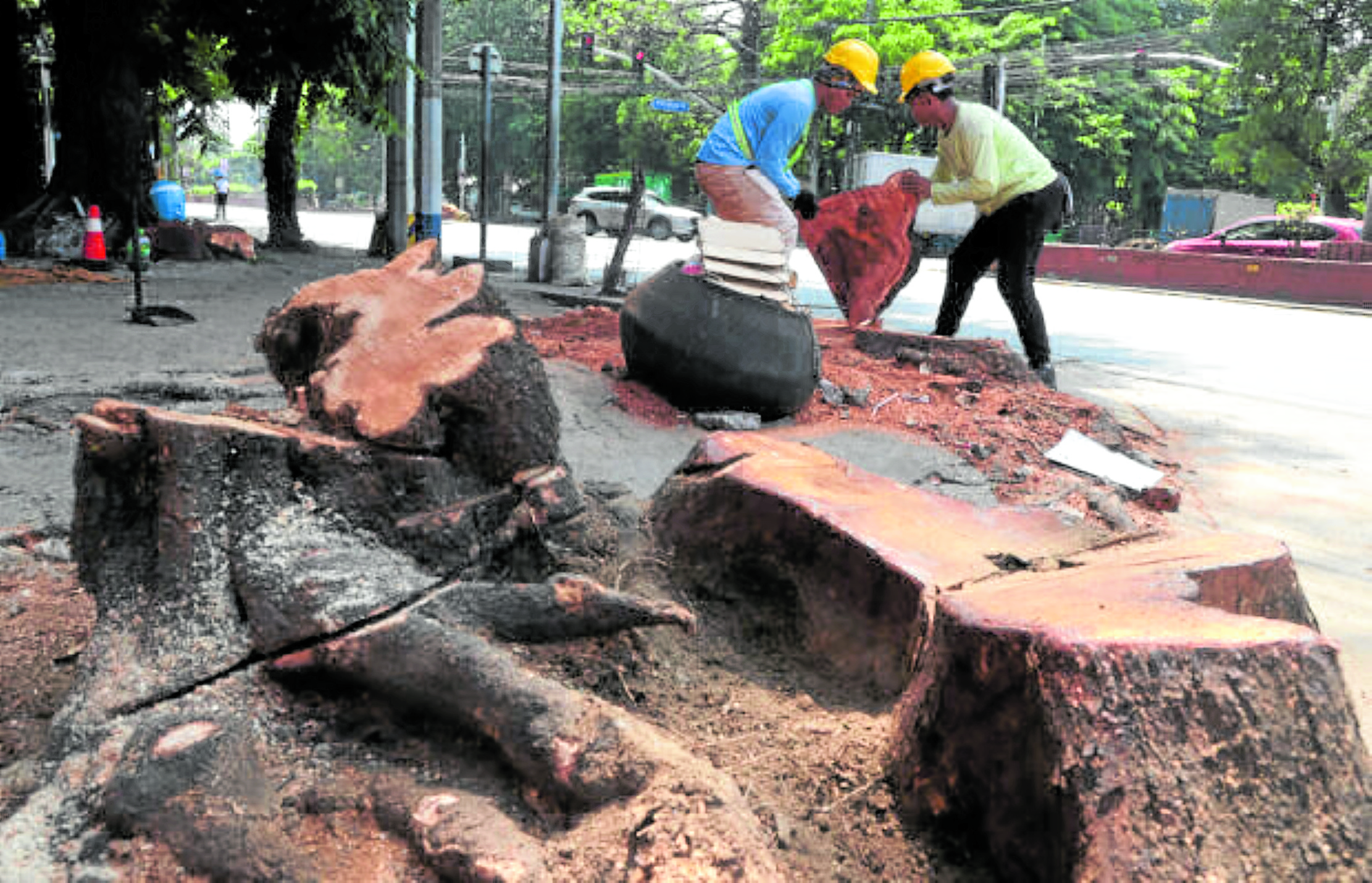
Trees and infrastructure
That is probably the problem with how we discuss infrastructure in Metro Manila. We talk about roads, drainage, transport systems, flood control, and utilities, but rarely about trees in the same conversation.
Yet anyone who regularly walks through Manila already understands the difference a tree cover makes.
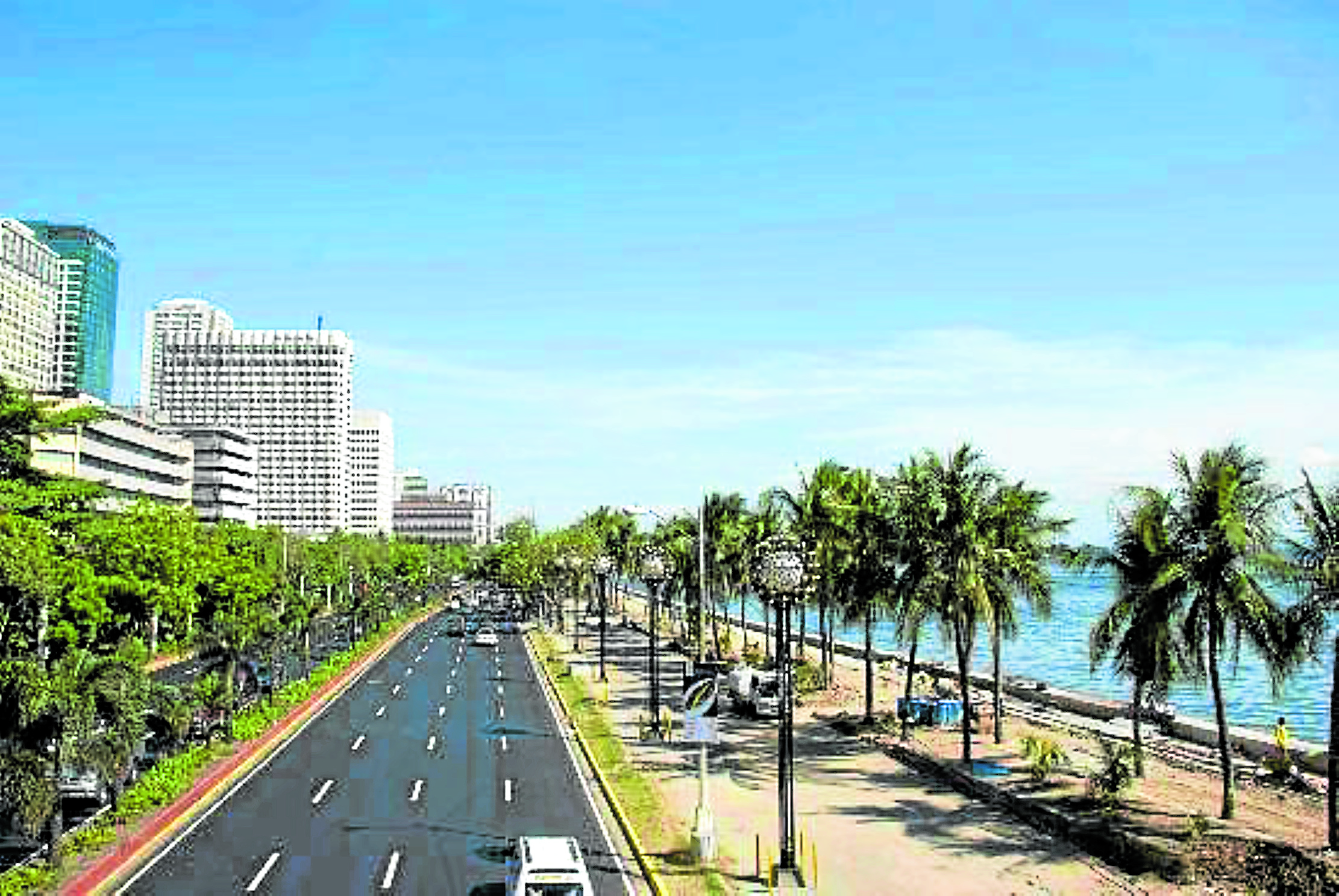
A shaded stretch along Roxas Boulevard feels completely different from walking beside exposed concrete and asphalt. The air moves differently. The heat feels lighter. Even the pace of walking changes.
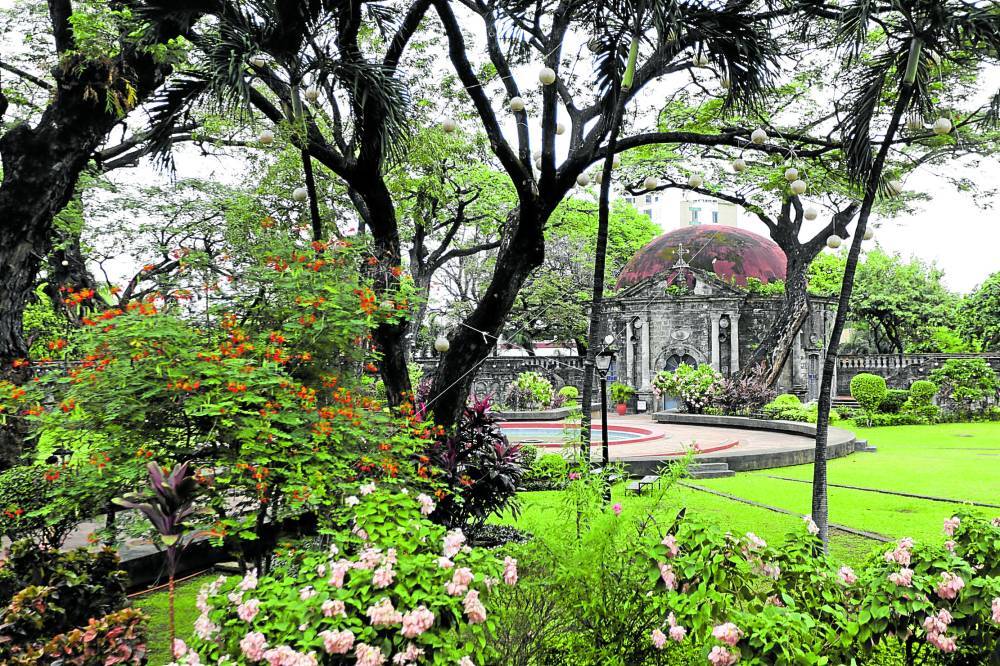
In older districts like Malate, Ermita, and Paco, mature trees soften the city in ways difficult to measure on engineering drawings but are immediately felt by people on foot.
Urban heat islands
This discussion becomes more important as Metro Manila continues to get hotter.
Recent discussions from the USGBC Smart Surfaces program noted that urban heat islands can make cities significantly hotter than surrounding rural areas, especially in heavily paved districts with limited vegetation.
Many urban areas today are dominated by roads, rooftops, parking lots, and concrete surfaces that absorb and release heat throughout the day. Trees help interrupt that cycle.
This is easy to overlook because many people experience cities from inside vehicles. But commuters, pedestrians, joggers, vendors, traffic enforcers, and delivery riders immediately feel the difference between shaded streets and exposed ones.
A mature tree can cool an area more effectively than many realize. Tree canopies reduce direct surface heating, soften glare, improve walkability, and help absorb stormwater during heavy rains. They also reduce the harshness of dense urban spaces.
Green infrastructure
In many ways, these trees already function like infrastructure. We simply do not classify them that way.

Some Philippine cities have already started discussing greener streets, urban parks, bike lanes, and walkability improvements as part of broader climate resilience efforts. But these conversations often take a back seat once road expansion and traffic solutions dominate the discussion.
That is why the idea of green infrastructure matters. Tree canopies, shaded sidewalks, parks, green corridors, and permeable surfaces are not decorative add-ons to development. These directly affect public comfort, mobility, public health, and the livability of tropical cities.
The conversation is not really about choosing between development and trees. Cities will continue to grow. Roads will continue to expand.
But perhaps mature trees should no longer be treated as expendable objects that can be replaced elsewhere years later. A newly planted sapling does not immediately replace decades of shade already built into a neighborhood.
In tropical cities like ours, shade is not only aesthetic. It is the infrastructure people actually feel.
The author is a LEED Fellow, ASEAN Architect, UAP Fellow, and educator with over 25 years of professional practice in architecture and sustainability


