









Property pins hope on rate cuts amid stifling GDP


(First of two parts)
In 2025, the Philippine economy grew by 4.4 percent, lower than the 5.7 percent posted a year ago and the government’s full year target of between 5.5 percent and 6.5 percent.
Excluding the contraction in 2020, this is the slowest annual growth since 2011. The country was also one of the worst performing economies in Southeast Asia in 2025, trailing Vietnam, Indonesia, Singapore, and Malaysia.
Despite this, Colliers is still optimistic about the country’s growth prospects especially with further reduction in basic policy rates likely to drum up public and private infrastructure spending and consumer sentiment. The business process outsourcing (BPO) sector and remittances from Filipinos working abroad further continue to be among the Philippines’ growth engines. These major planks also have positive, multiplier effects on real estate demand.
Amid geopolitical concerns, we also continue to see cautious optimism in the property market and this sentiment should guide developers and investors in the near term.
Further rate cuts, lowest inflation
The Bangko Sentral ng Pilipinas (BSP) reduced policy rate by another 25 basis points (bps) in February 2026 amid weakening economic growth.
This brings the country’s benchmark rate to 4.25 percent, the lowest in more than three years. Since August 2024, the BSP has cut a total of 225 bps.
Private sector analysts believe that the tempered economic outlook and manageable inflation may give the BSP room to implement one more rate cut in 2026 before ending its easing cycle.
In 2025, inflation settled at 1.7 percent, the lowest in nearly a decade. This year, the Philippine government expects inflation to fall within the 2 percent to 4 percent target range.
But while the BSP has been aggressive in cutting interest rates, this has yet to translate into lower mortgage rates.
As a result, gaps in financing have been compelling property firms to offer attractive and innovative terms for ready-for-occupancy (RFO) condominium units. Colliers Philippines believes that these aggressive promos have helped revive appetite for condominium projects in Metro Manila, while take-up for horizontal projects in key growth regions continues to support developers’ geographic diversification.
Improving residential demand
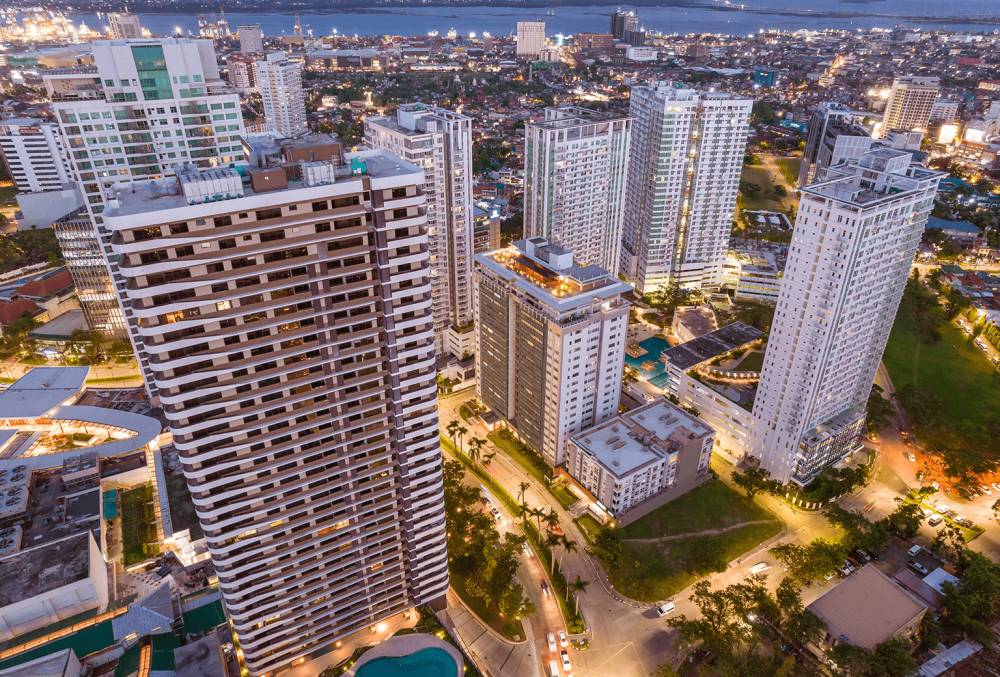
As of Q4 2025, the unsold condominium inventory life in Metro Manila has substantially improved, after reaching a record high of more than 13 years.
Significant take-up of pre-selling Metro Manila condominium units in mid 2025 proved that developers’ promos were effective.

Latest Colliers Philippines data showed that it will now take less than eight years for the Metro Manila market to fully absorb the unsold condominium units.
Colliers Philippines also projects the continued launch of massive township projects outside Metro Manila even beyond 2026. In our view, differentiation will be more pronounced. Within the capital region, we see more property firms exploring the feasibility of lot-only developments.
Overall, we expect firms to ramp up diversification strategies to capture demand from an investing public that has also learned to diversify in light of compressing yields in Metro Manila.
Raising investor confidence
Meanwhile, Colliers Philippines also believes that raising investor confidence in the country will play a pivotal role in enabling the Philippines to attract more foreign direct investments funneled into the BPO and industrial sectors.
This fresh wave of foreign investments should support the growth of the country’s industrial and office sectors, including key corridors such as Metro Manila, Metro Cebu, Central Luzon, and Southern Luzon.
There is no doubt that misallocation and underutilization of funds intended for public projects have hampered the implementation of big-ticket transportation projects. Resolving this will be instrumental in hastening the construction of game-changing infrastructure, which should guide developers’ diversification efforts.
(To be continued)