









Scoring a hole-in-one in property investment


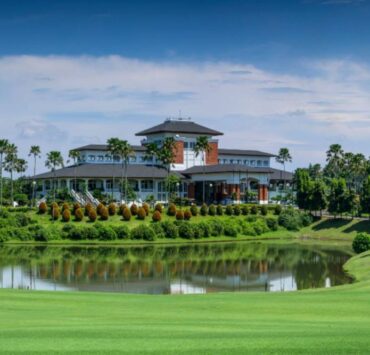
Since the pandemic, we have seen a growing interest in golf. More and more Filipinos with rising purchasing power are starting to develop interest in golf, which has definitely stoked demand for championship courses and golf communities, with the latter resonating with investment-savvy players.
Infra, industrial investments stoking leisure appetite
Residential enclaves with golf communities provide the right mix of luxury, amenity, authenticity, security, natural beauty, sustainability, and tranquility. So expect similar projects from national developers as they navigate the constantly changing preferences of awash-with-cash, discerning property investors.
Improving the infrastructure backbone will be an important consideration for developers, especially those planning to launch residential properties located within or near a golf community. Even enthusiasts will be enticed by the availability of game-changing infrastructure.
This is particularly true for high growth areas including those in Central Luzon, which houses massive golf courses and communities.
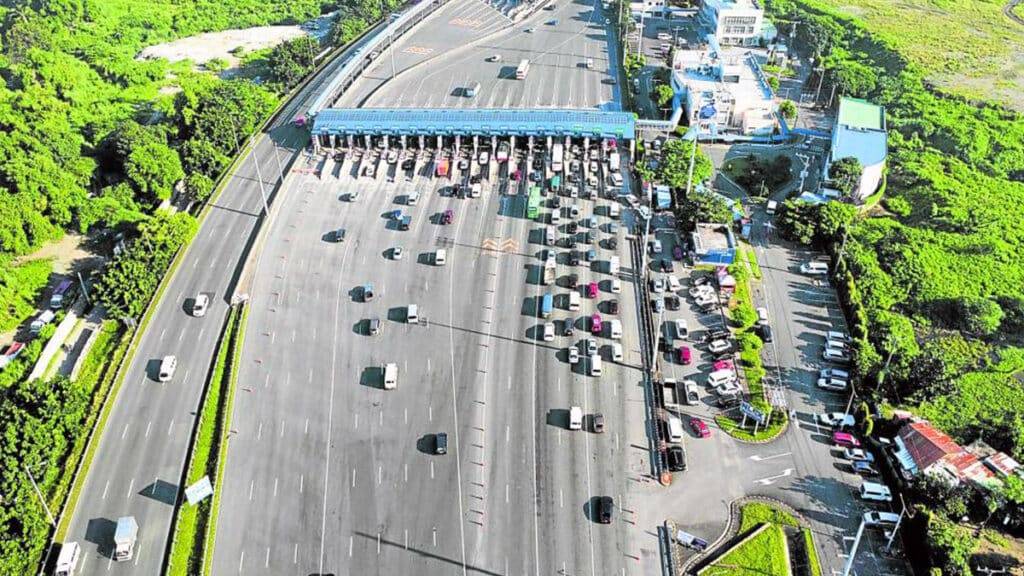
The proximity of Bulacan, Pampanga, and Tarlac to Metro Manila and the improving connectivity of these areas help golf communities in the North and Central Luzon attract players and investors from the capital region.
In our view, property firms can command premium pricing for their residential projects not just within masterplanned projects but also those built near or within golf communities.
Over the near to medium term, Colliers sees more industrial-related developments as part of townships being pursued by developers nationwide, especially in areas where adequate infrastructure support is available.
Foreign manufacturers will also be enticed to locate in masterplanned projects that offer not just industrial land and warehouses but also golf courses that cater to expats.
Promise of rental yields, property price increase
At Colliers, one key recommendation we have for investors is to choose projects in townships and estates due to possible yield and price enhancements.
We project strong rental and price increase potential for residential projects, including condominiums, near or within golf communities, especially with the growing demand for green spaces.
We also see greater opportunities for similar residential projects given the strong rebound prospects for the country’s travel and tourism sector.
Foreign arrivals reached 5.9 million in 2025, lower than the peak arrivals of 8.26 million in 2019 just before the pandemic. But we are optimistic that internationals tourists will continue to increase, especially with the various programs implemented by the Department of Tourism. These include visa upon arrival for Chinese tourists and continued efforts to diversify source markets.
Overall, golf communities will likely remain attractive moving forward due to growing tourism prospects and the potential for further price appreciation.
What’s next for golf communities, property investments
Colliers Philippines previously highlighted that the focus on leisure-oriented properties including golf communities will continue, but unlike the property cycle in the mid to late 1990s, the development will be more holistic and masterplanned with various land uses.
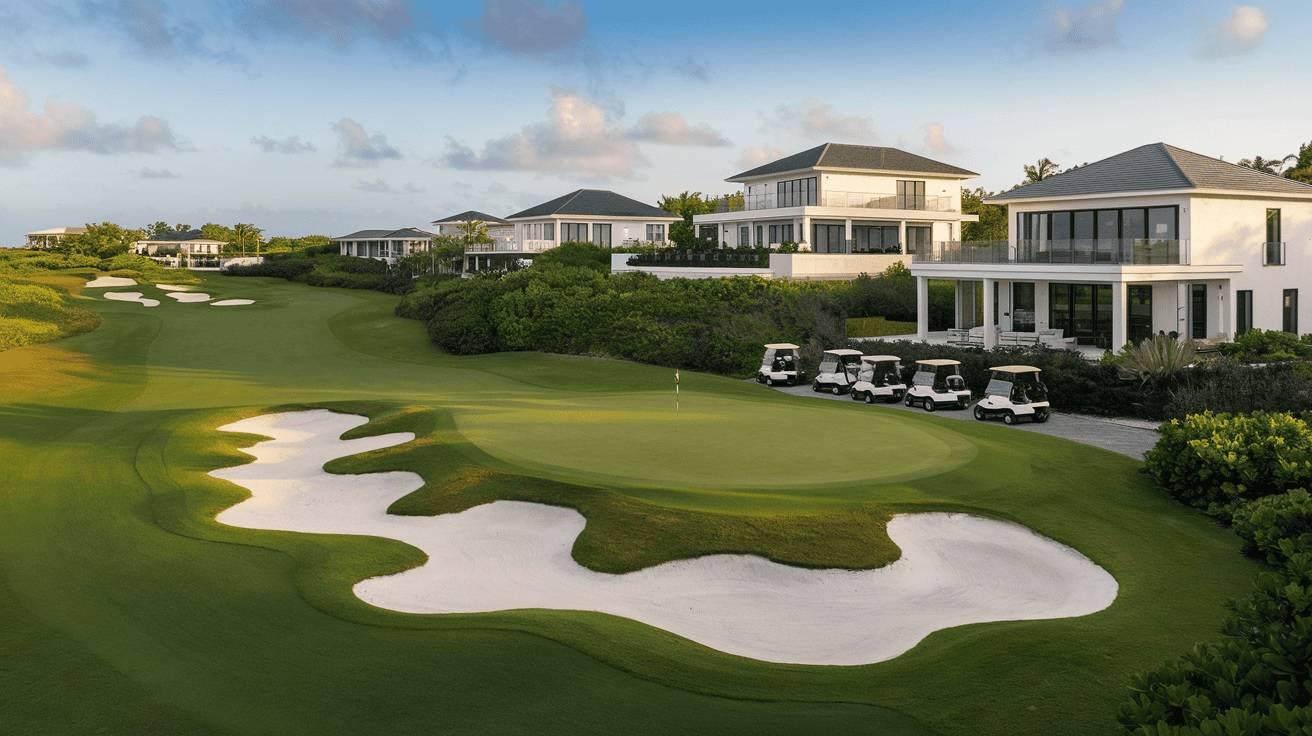
This is a major reason why property firms are aggressively complementing their masterplanned communities with golf courses. What stands out is the fact that residential projects developed adjacent to golf courses are undeniably recording strong take-up rates, enticing national developers to launch similar projects.
Expect more golf communities in key growth regions, including Central Luzon. While property prices in the region are already recording decent paces of growth, imagine the humongous potential for price appreciation once the public projects lined up by the government (e.g. North-South Commuter Railway) are completed and start operations.
Golf enthusiasts and astute investors are racing to score a “hole-in-one” in their property investments and no one wants to be left behind.