







Second homes in the South are no longer just for weekends

Owning a second home has become more than a seasonal escape. Increasingly, it is viewed as a long-term investment in lifestyle and well-being.
In the South, this is particularly evident, as leisure-oriented communities offer many urbanites seek: Open air, natural scenery, and a slower pace that is difficult to replicate in the metro.
When supported by thoughtful planning and well-integrated amenities, a second home in the South becomes less of a “weekend-only” indulgence and more of a year-round retreat that supports wellness, family time, and mental reset.
Here are some of the reasons why the South continues to anchor second-home demand.
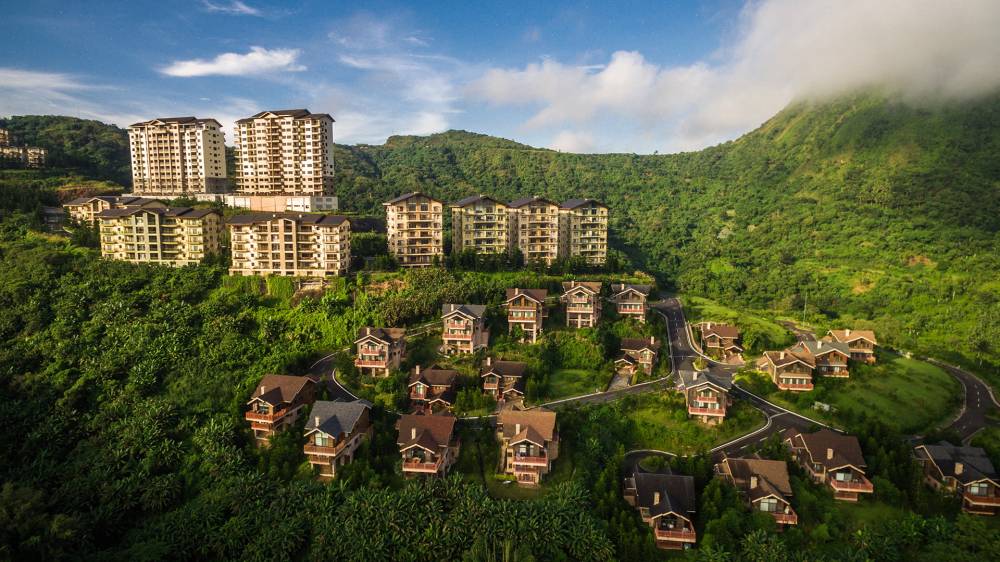
Prime location with improving accessibility
One of the South’s strongest advantages is accessibility.
Unlike far-flung resort destinations that require long-haul travel, leisure communities in Southern Luzon remain within realistic driving distance from Metro Manila—close enough for spontaneous weekend use, extended stays, or even hybrid living arrangements.
This balance between escape and access is increasingly important as buyers look for second homes they can actually use, not just visit occasionally.
Infrastructure improvements continue to strengthen this appeal. Major expressways and new road networks are steadily reducing travel time, reinforcing the South’s position as the most practical leisure corridor for urban homeowners.
Resort living in a residential space
Today’s buyers are more discerning. They are no longer satisfied with standalone beach houses or loosely planned villages.
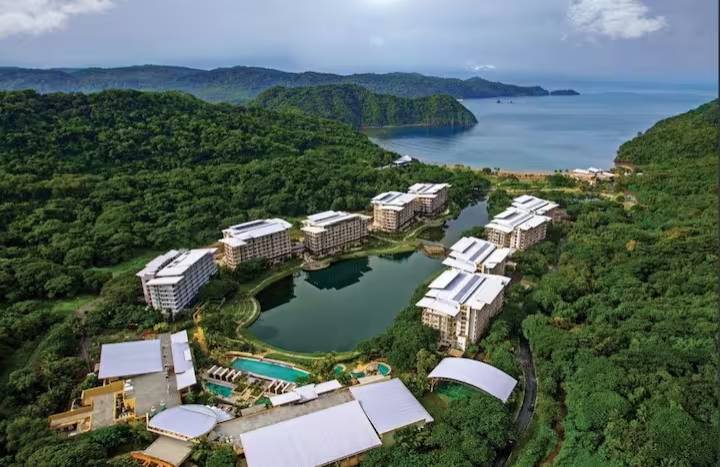
Instead, there is a growing preference for integrated leisure communities—developments that combine residential spaces with resort-grade amenities, professional property management, and compact lifestyle hubs.
This ensures second homes are livable spaces rather than occasional getaways. Over time, this also protects property value.
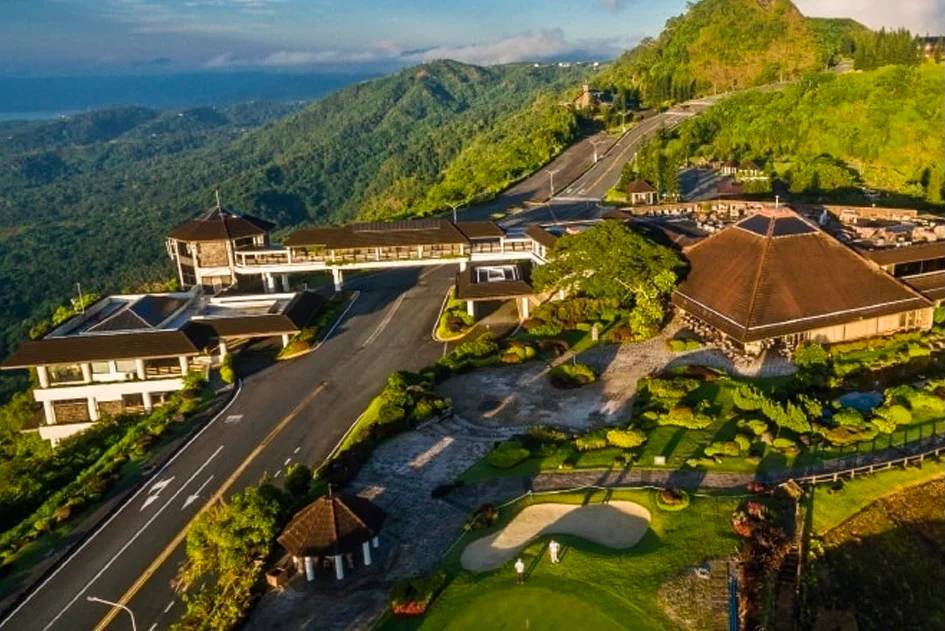
Exclusivity
Exclusivity in second-home communities is increasingly defined by low density rather than overt luxury.

Limited residential inventory, generous lot sizes, and layouts that prioritize privacy contribute to lifestyle quality and long-term value. As prime leisure locations become more built up, developments that preserve openness and restraint stand out and tend to hold their appeal over time.
From an investment perspective, this matters as exclusivity creates natural value protection, particularly as demand for leisure-oriented living continues to rise.
Leisure-first amenities
What differentiates second-home investments from purely recreational properties is how strongly it is designed around everyday leisure.
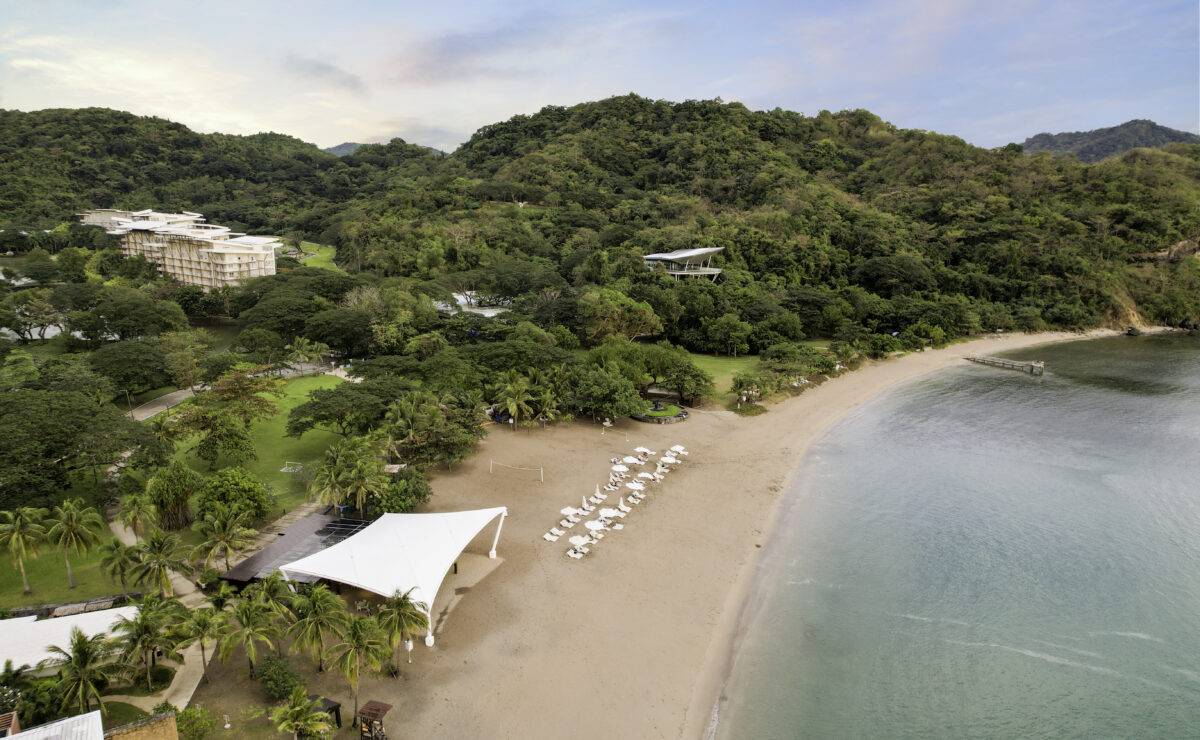
Access to water activities, outdoor recreation, social spaces, and curated dining options allows owners to enjoy the environment without needing to leave the community.
These amenities thus become lifestyle enhancements, increasing the usability of the home across different life stages. A second home that works for weekend escapes today can later support longer stays, remote work, or even partial retirement living.