







Shared ground: Architecture as territorial responsibility


(First of two parts)
Architecture does not begin at the property line. It begins at the ground, and the ground is never neutral.
In Southeast Asia, ground is layered, contested, productive, and increasingly fragile. It carries memory and speculation, subsistence and capital, heritage and displacement.
It absorbs monsoon rains and tidal surges. It records colonial grids, informal settlements, highways, and sacred landscapes. To design within this terrain is not simply to compose form. It is to intervene in a living system.
“Shared ground” is a position that reframes architecture as territorial responsibility.

Ground as condition
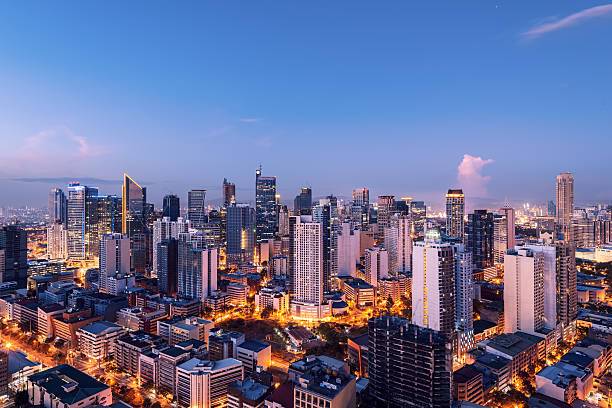
Across the region, coastlines recede while cities expand. River deltas urbanize. Agricultural land is subdivided into residential enclaves. Infrastructure cuts across ancestral territories. Informal economies settle in the shadows of corporate towers.
The ground becomes the stage upon which competing ambitions play out.
Every building touches this ground, and every building alters it. A basement changes groundwater behavior. A podium redirects pedestrian flow. A masterplan restructures access to light, air, and mobility.
No intervention is isolated. Each project participates in a larger network of consequence—environmental, social, and economic.
Shared ground insists that architecture must acknowledge this interconnectedness not as an abstract ideal but as an operational premise. The architect is not merely a designer of objects but an actor within systems. To ignore that system is to abdicate responsibility.
Beyond the object
For decades, architectural culture has privileged image and authorship.
Buildings are photographed, circulated, and celebrated as singular works. Yet the life of architecture unfolds in maintenance rooms, service corridors, and public edges long after the photographer leaves.
Shared ground shifts emphasis from the completed object to the sustained environment.
Who maintains what is built? Who cleans it, repairs it, adapts it? Who gains access to its benefits? And who is displaced by its presence?
Invisible labor sustains visible architecture. Security personnel, janitors, vendors, transport operators, and surrounding communities all become part of the architectural ecosystem. The building does not stand alone–it rests upon a network of relationships.
Completion, therefore, is not the end of responsibility. Occupation, adaptation, and long-term stewardship are equally architectural acts. A project that photographs well but fails to age with dignity is not successful. A development that elevates private value while diminishing public access is not neutral.
Shared ground challenges the profession to measure success beyond aesthetics–to evaluate durability, inclusivity, and consequence.
Density as obligation
Southeast Asia is urbanizing at extraordinary speed.
Megacities intensify. Secondary cities grow into metropolitan corridors. Vertical construction becomes necessity rather than novelty.
Density is not optional. It is structural. But density without generosity produces pressure. High-rise living without public ground generates isolation. Commercial districts without permeability erode civic life.
Shared ground reframes density as obligation rather than spectacle. The more we build upward, the more we must give back horizontally. Vertical ambition must generate shaded plazas, walkable streets, and shared civic surfaces. Mixed-use development must provide continuity of public space, not fragmentation.
Architecture must return value to the terrain it occupies. The ground is not a platform for extraction. It is a shared resource.
(To be continued)
Design exploration requires the input of everyone in our community. We invite everyone to come join our explorations on the human environment. Join us on Instagram @wtadesignstudio and @entrari