










The anatomy of an auspicious season

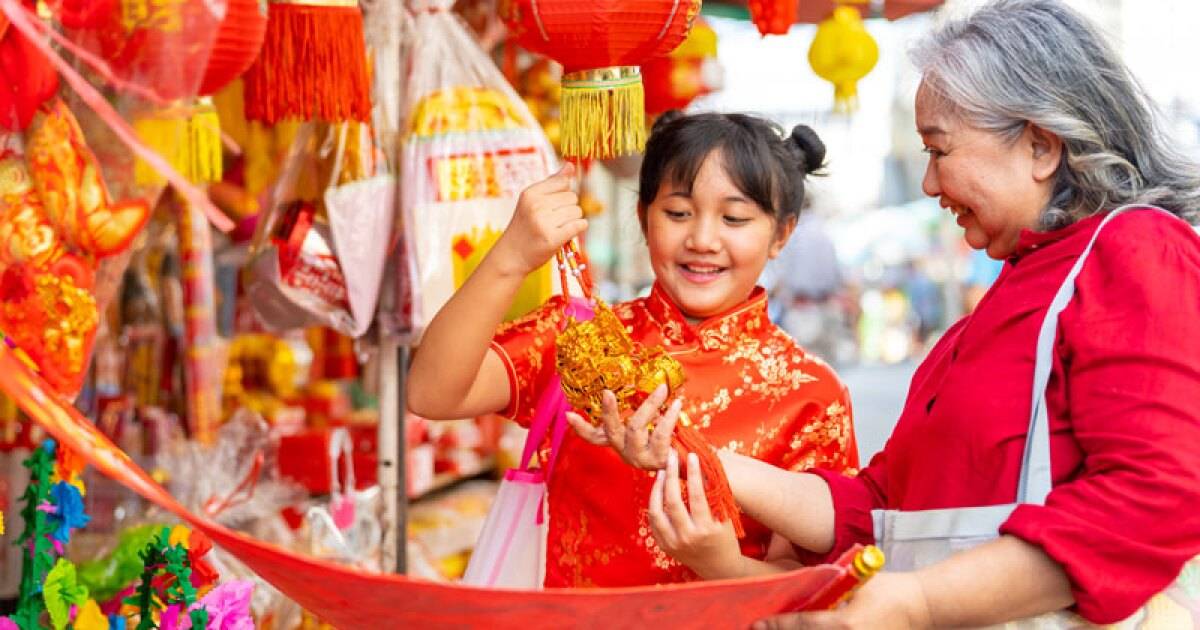
Chinese New Year, also known as the Lunar New Year, is widely celebrated in many Asian countries and Chinese communities around the world.
It takes place between
January 21 and February 20, depending on the lunar calendar, and can last from three to 15 days, marked by family gatherings, feasts, fireworks, parades, and parties.
Although China officially adopted the Gregorian calendar in 1912, Lunar New Year traditions continued. In 1949, the holiday was reinstated as a national celebration known as the Spring Festival.
National holiday
The Lunar New Year is a national holiday in several countries, including Vietnam, Singapore, Malaysia, South Korea, China, and the Philippines.
While each country celebrates it in different ways, they all share a common purpose: Bringing families together. In the Philippines, the holiday is marked by various traditions and customs that allow Filipinos to take part in the festive celebration.
New Year greetings
New Year greetings during the Lunar New Year vary by language and culture.
In Mandarin, people say “Xīn nián kuài lè” and “Gōng Xi Fā Cái” to wish a happy new year and prosperity. Cantonese speakers, especially in South China and Hong Kong, use “Gung hay fat choy,” which literally wishes for happiness and prosperity.
In Korea, the greeting “Saehae bog manh-i bad-euseyo” means wishing someone good luck in the coming year, while in Vietnam, people say “Chúc mung năm moi.”
In the Philippines, “Happy Chinese New Year” is commonly expressed by blending Chinese greetings with local customs. The most popular phrases are “Gung hay fat choy” (Cantonese) or “Gong Xi Fa Cai” (Mandarin), both wishing prosperity.
Decorating homes
In Chinese traditions, red is considered the luckiest color because it brings good fortune and protection from bad spirits, which is why people wear red clothing and decorate their homes with red lanterns during Chinese New Year.
Another important custom is giving red envelopes filled with money, called “ang pao” in the Philippines and “hong bao” in China. These are given to children and unmarried family members as symbols of good luck, health, and long life for both the giver and the receiver.
These traditions have been passed down through generations and adopted not only by Filipino-Chinese families but also by non-Chinese communities.
On New Year’s Day, wearing new clothes represents a fresh start, while greeting others with best wishes is believed to bring an auspicious year.
Younger generations now combine tradition with modern practices, such as virtual greetings and digital red envelopes.
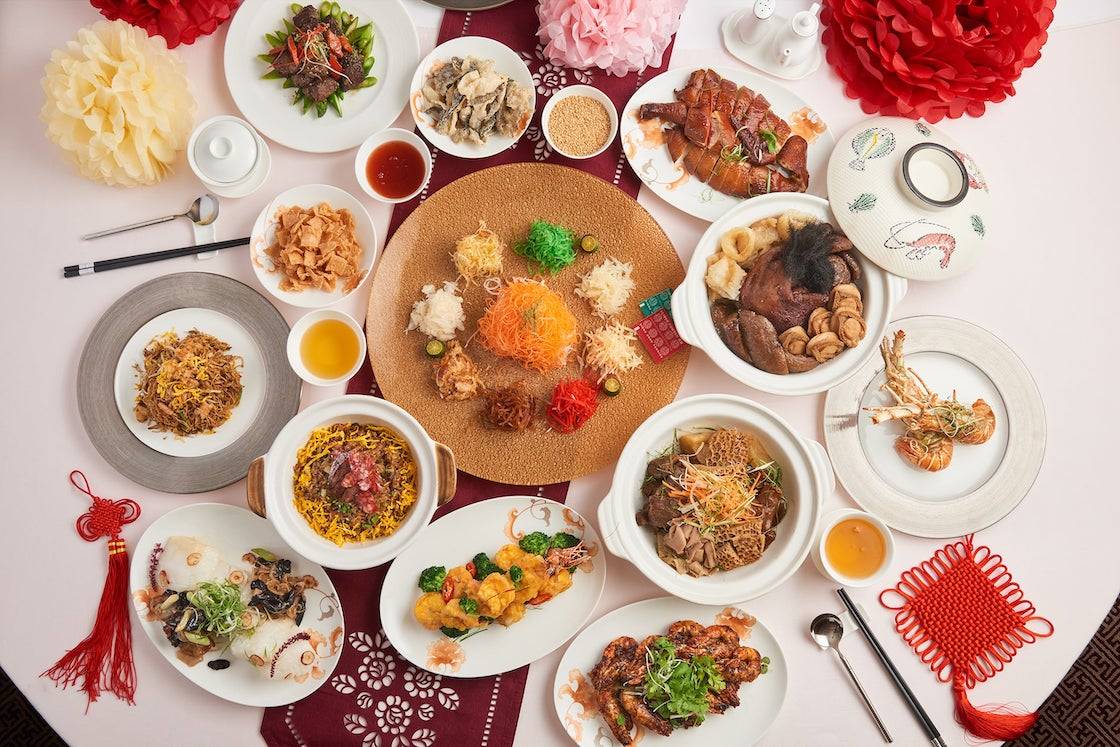
Lucky Chinese New Year food
New Year’s Eve family reunion dinner is the most important meal in Chinese culture, similar to media noche, as it brings families together. Filipino and Filipino-Chinese households prepare lucky dishes believed to attract good fortune and wealth.
A key dish is tikoy (nian gao), a sweet glutinous rice cake symbolizing success in life and strong family bonds, often served sliced and dipped in egg.
Long or longevity noodles represent a long, healthy life and smooth journey, and are commonly served with meats and vegetables and adapted into Filipino celebrations.
Fish, usually served whole and steamed or braised, symbolizes surplus and fortune, with catfish, Chinese mud carp, and crucian carp each carrying specific meanings.
Dumplings symbolize wealth and prosperity because they resemble ancient gold and silver ingots, with fillings representing hard work, lasting affluence, and many ways to gain fortune.
Spring rolls, named after the Spring Festival, symbolize wealth and a fresh start, with their golden color representing wealth and treasure.

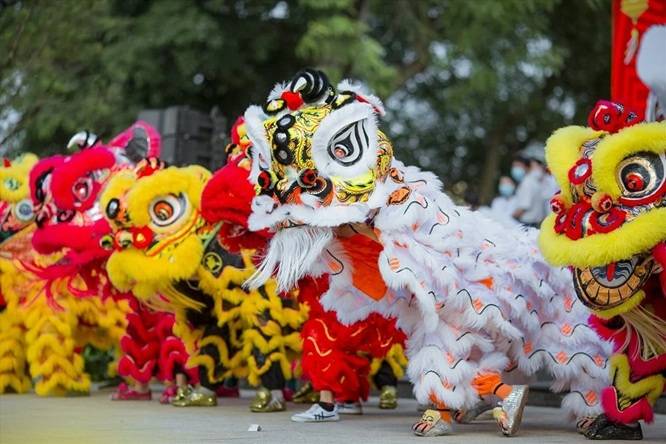
Dragon and Lion Dance
In Binondo, known as the world’s oldest Chinatown, celebrating Chinese New Year comes with watching the traditional dragon and lion dances.
The dragon dance involves eight or more performers carrying a dragon on poles, led by a dancer holding the Pearl of Wisdom. The lion dance is meanwhile performed by two dancers in a lion costume, one controlling the head and front limbs, and the other the back and hind legs. Both dances are accompanied by gongs, cymbals, and drums.
These performances are among the most important Chinese New Year traditions and are believed to bring good luck and prosperity.
In Chinese culture, dragon symbolizes power, boldness, and excellence, while lion represents strength, stability, and superiority.
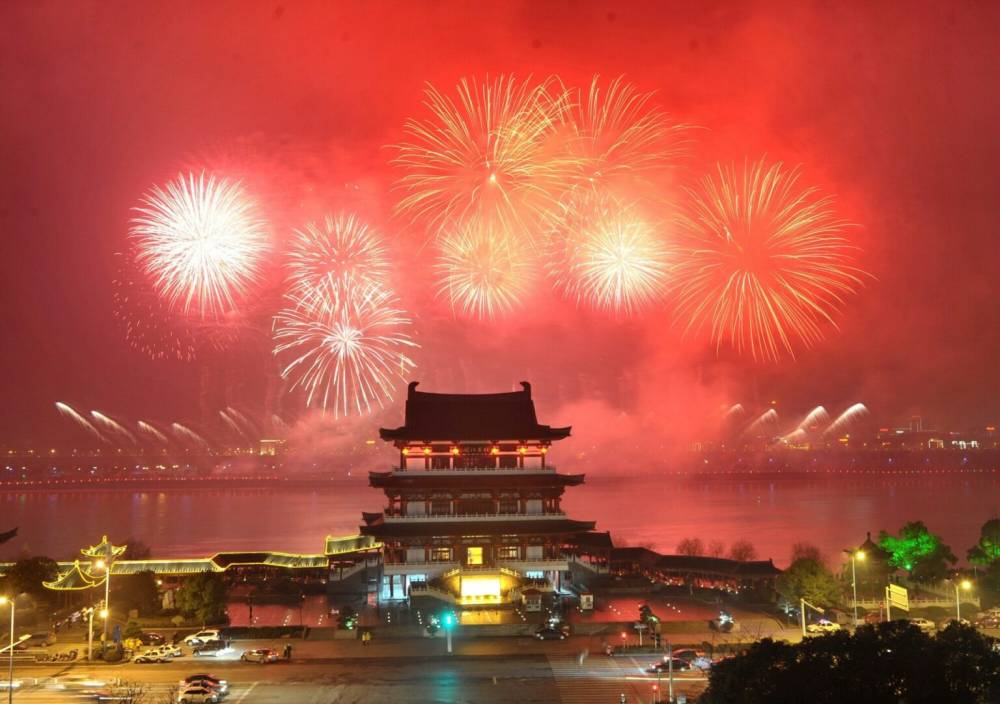
Fireworks, firecrackers, and loud Noises
During the Chinese New Year, Filipino and Filipino-Chinese families welcome the new year by lighting fireworks and firecrackers, a tradition believed to drive away bad spirits and the mythical beast Nian. They also create loud noises using cooking pots and horns to scare off bad luck.
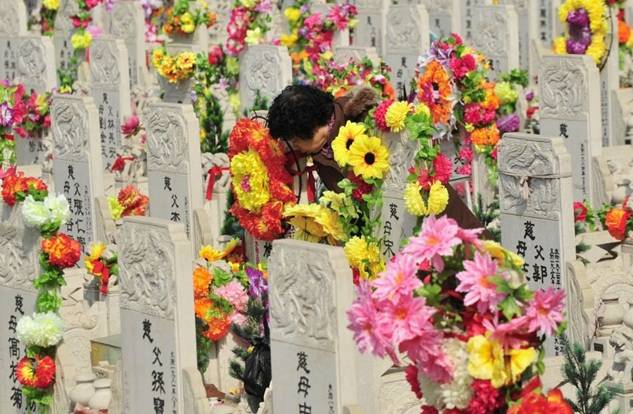
Honoring ancestors
Honoring ancestors is an important Chinese New Year tradition.
Families visit ancestors’ graves before New Year’s Day, offer sacrifices before the reunion dinner to let ancestors “eat” first, and set an extra place and glass at the table on New Year’s Eve.
Staying up late
Known as “Shousui,” this tradition involves staying awake past midnight after the New Year’s Eve dinner. Also called the New Year’s vigil, it is believed to prolong parents’ lives and bring a bountiful year.
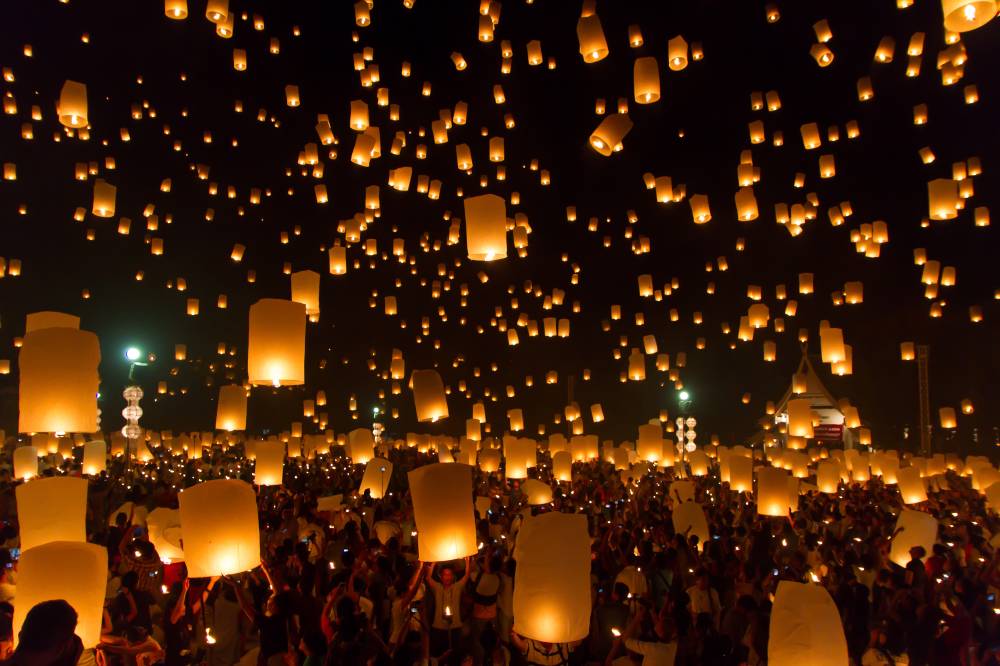
Lantern Festival
The Lantern Festival marks the end of Chinese New Year celebrations and promotes peace, reconciliation, and forgiveness. People decorate their homes with colorful lanterns and carry paper lanterns at night.
Sources: Inquirer.net, National Geographic, AsiaSociety.org, Alibaba.com