







The architecture of daily life

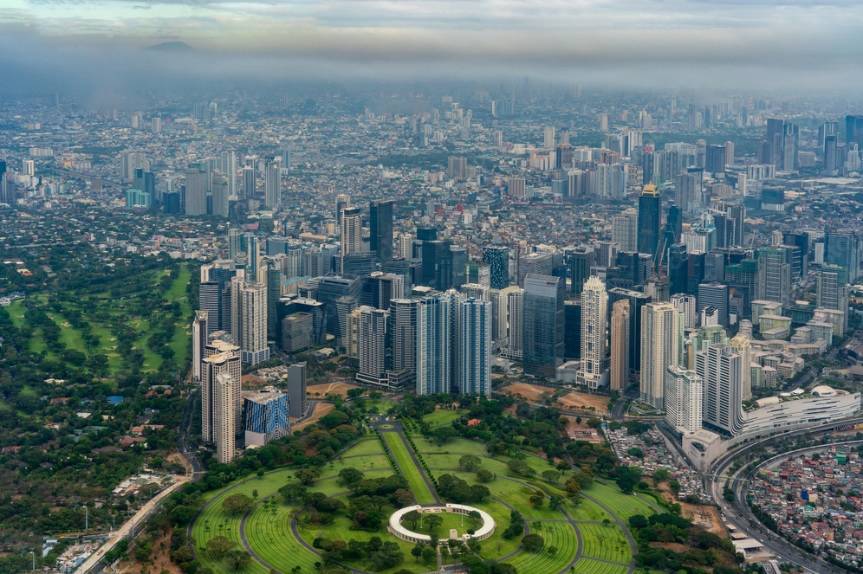
Visualize the activity of leaving your home: how far is the nearest place to buy fresh food? Do you feel safe walking to that place? Or do you need to drive your car?
The planning decisions made years ago by people you never met pre-determine these choices.
Silent architects
The concrete and steel world around us—the streets, the buildings, the parks, and the distance between them—is not accidental. It is the result of urban planning and design, which means the consequences, effects, and ripples of how our cities are designed.
These implications are the silent architects of our personal carbon footprint and our mental landscape, shaping whether a sustainable life feels effortless or like a constant, tiring battle against the infrastructure.
The core implication is this: good planning makes the easy choice the ‘sustainable’ choice.
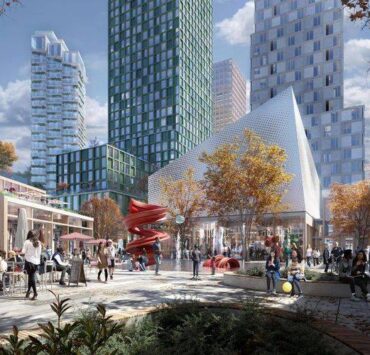
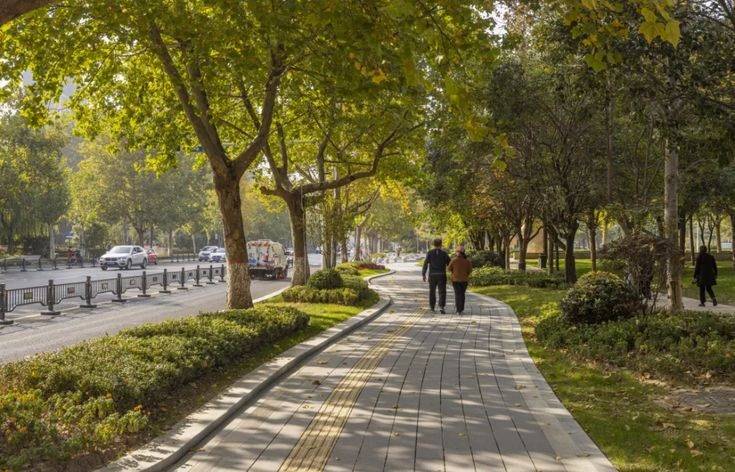
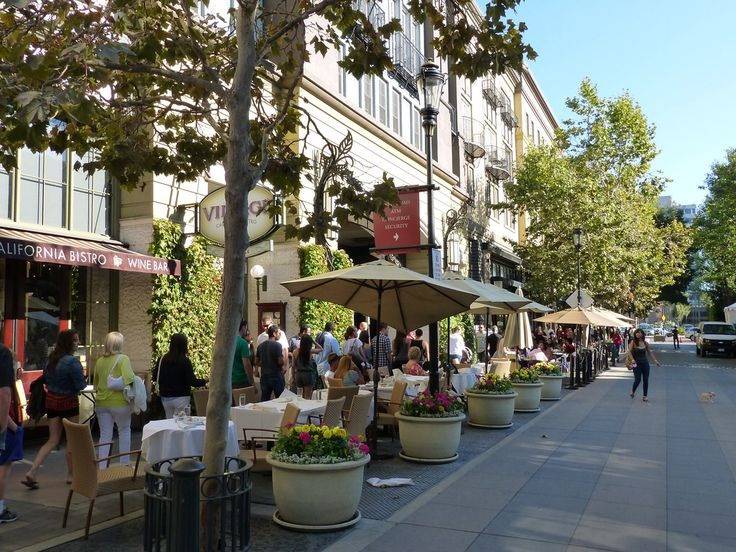
When the sidewalk is smooth, unobstructed, shaded, and safe, choosing to walk becomes a simple pleasure. When a local street is a beautiful gathering place, choosing community connection over isolating consumption becomes the natural default.
The consequences of planning directly impact the psychology of sustainable action, transforming it from an abstract ethical mandate into a lived, tangible reality.
Invisible forces
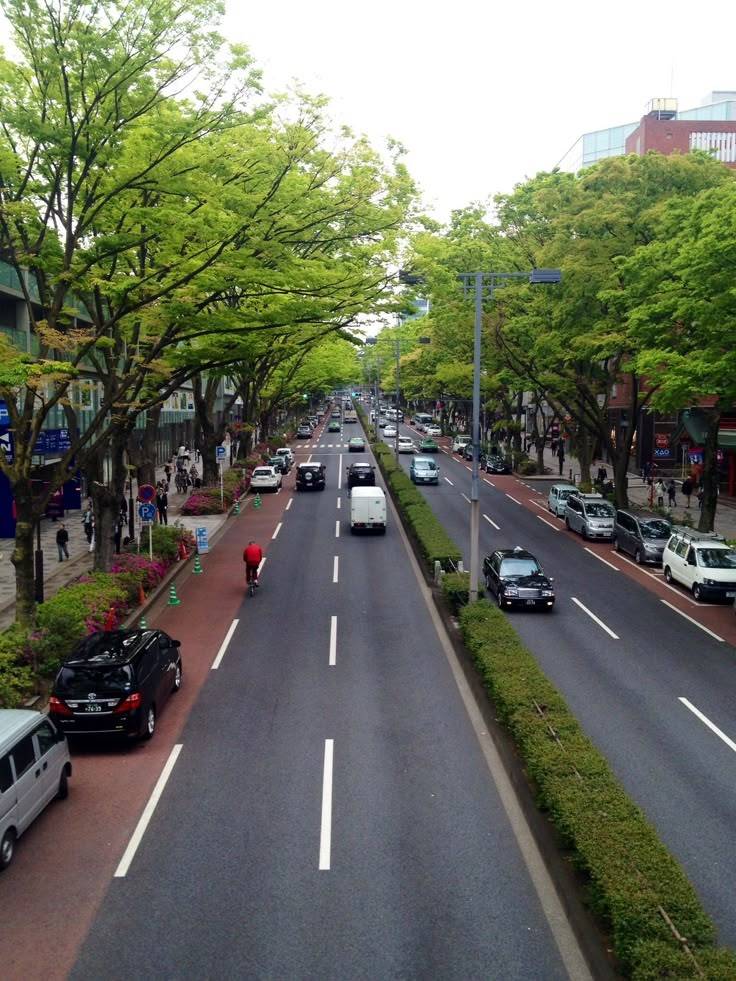
Every street layout is a decision about what is prioritized.
If the street is wide, fast, and lacks shade, it prioritizes vehicle speed and efficiency. This design implies a life where you spend time and money on personal transit, where air quality around you is low, and where your physical and mental health is compromised.
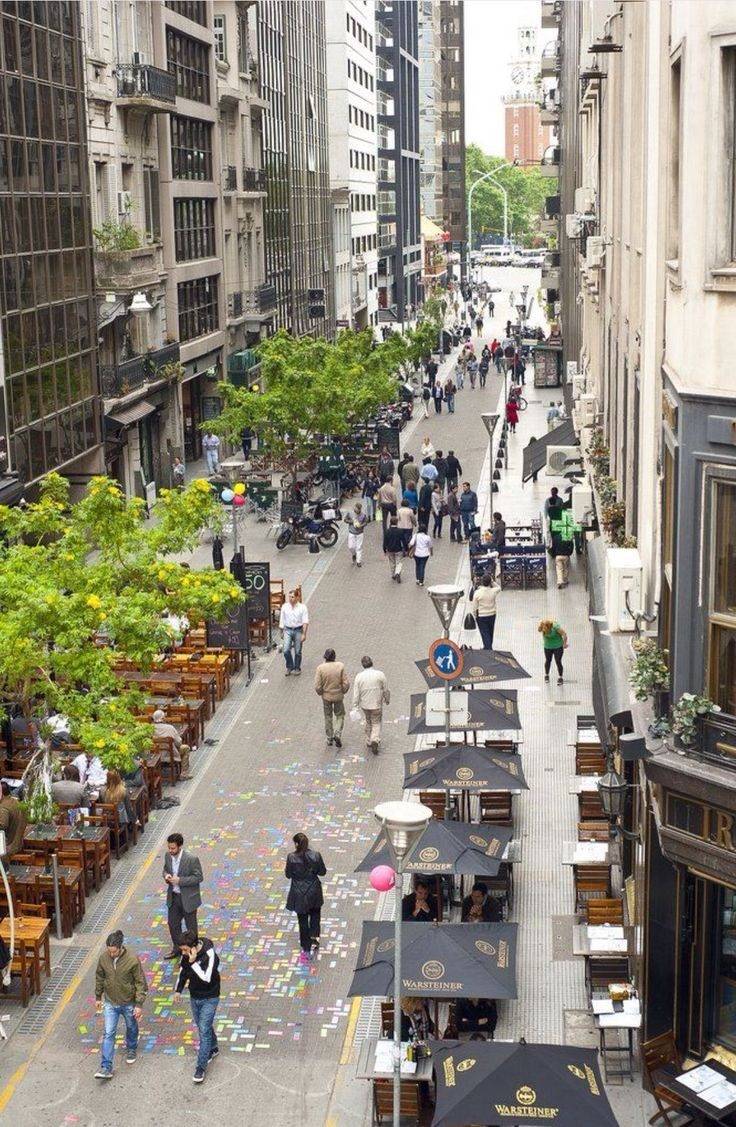
Conversely, a narrow, tree-lined street with wide sidewalks implies a life where walking is a primary mode of transport, where social interaction with neighbors is more likely, and where the noise level contributes to a greater sense of personal peace.
In other words, urban planning and design implications are the invisible forces that determine the ease or difficulty of living a life with sustainable values.
Design and well-being
This deep connection between design and well-being is often overlooked.
A poorly planned city can create what is known as choice fatigue. This means that every action—choosing public transport that runs infrequently, finding a waste recycling center, sorting out recyclable materials—requires excessive cognitive load. When the infrastructure supports sustainability, it reduces this fatigue, freeing up mental energy for creativity and connection instead of constant logistical management.

The way we zone land and place amenities has a direct impact on our social lives. Traditional planning often separates residential, commercial, and industrial areas rigidly. The implication of this zoning is mandatory use of private cars for nearly every daily task.
Mixed-use developments
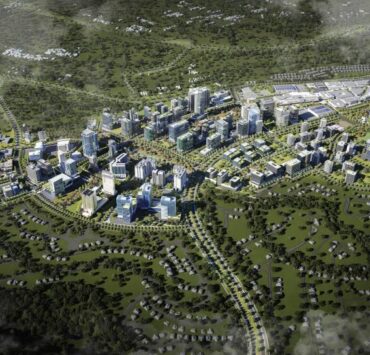
Modern, sustainable planning, however, favors mixed-use developments, bringing housing, workplaces, and services into close proximity. This creates opportunities for spontaneous encounters, strengthening the social fabric of a community, which is a key component of resilience and sustainable practice.
Mixed-use developments are complemented by three basic concepts:
- Walkability: The design quality that makes walking feel safe, comfortable and interesting;
- Density: The concentration of people and activities that supports public services and local commerce; and
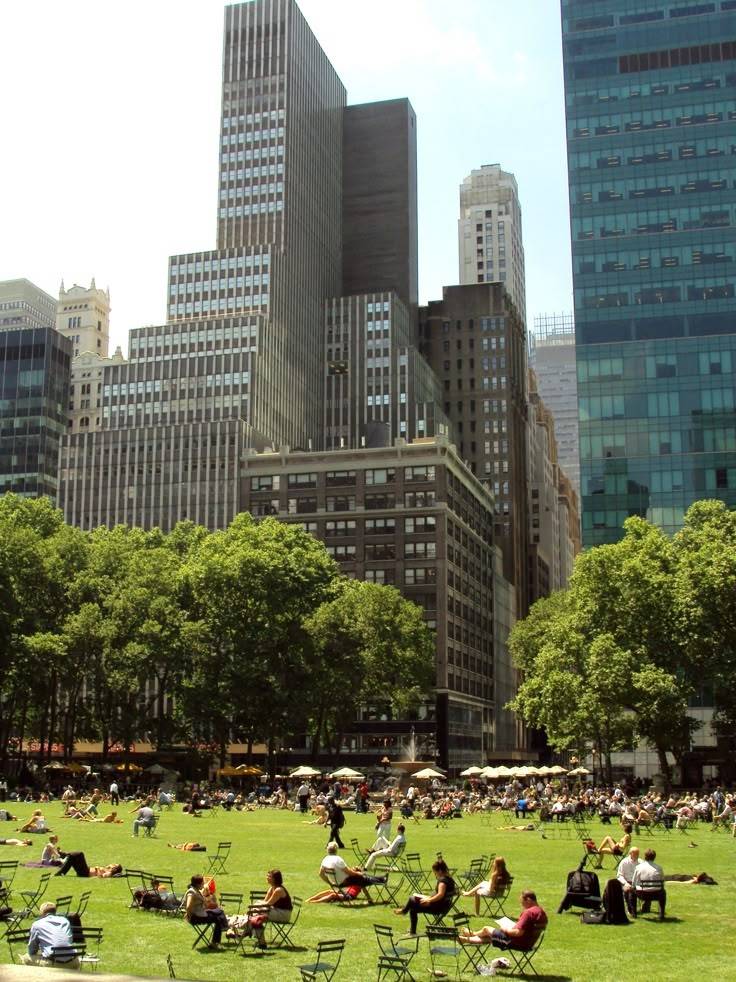
- Access to nature: The proximity to high quality green and blue spaces, which are essential for mental restoration and physical health.
These elements combine to create communities where the majority of daily needs can be met within a short walk, bike ride or public transport. The implication for the individual is a life with more free time, less stress from commuting, and more intimate, personal relationship with neighbors and the immediate surroundings.
A political and economic act
The understanding of urban design and planning implications moves beyond the personal experience of the street corner to the systemic forces that generate those street corners.
This perspective requires acknowledging that planning is a deeply political and economic act, where the consequences of policy decisions play out across generations and balance sheets. This involves grasping the levers of policy, finance, and material flow that underpin the built environment.
The author is the Principal Urban Planner of CONCEP Inc., and Fellow Emeritus of the Philippine Institute of Environmental Planners (PIEP)