








The global Pinoy Christmas

Parols, festive midnight Masses, and a grand Noche Buena—the Filipino Christmas is an iconic celebration recognized all over the world.
Pinoys have one of the most joyous celebrations of Christmas. The activities are so engaging that some foreigners happily adapt our customs to join in on the fun.
Are we Filipinos, however, ready to adapt to the rest of the world? With the rise of globalization, foreign Christmas traditions are gradually becoming part of many Pinoy households.
With many overseas Filipino workers bringing in outside influences, it’s interesting how some foreign traditions such as Mexican Las Posadas, Italian panettone, and Japanese KFC feasts are making an appearance in Pinoy homes today. In addition, Christmas is also becoming more inclusive, emphasizing togetherness and culture to overcome any religious barriers and differences.
Today, let us explore how Christmas in the Philippines has evolved to become more global in nature. Are Filipino values retained in our modern traditions, new styles, and Christmas decor?
Elevate your Quezo de Bola
While the Philippines is a predominantly Catholic nation, many elements of our traditional Christmas setup was born out of culture, and not religion.
For instance, the Quezo de Bola, a beloved staple on Noche Buena tables, has been traced to Dutch influences. The practice of putting a big ball of cheese on the table is a custom we share with European countries such as Sweden.
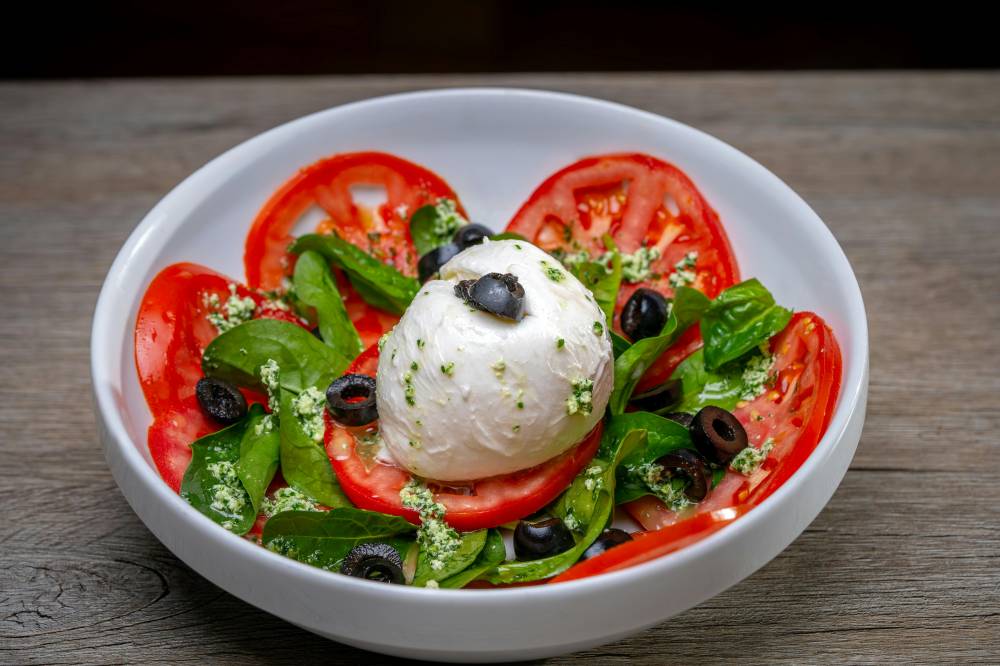
While Filipinos enjoy the classic big red ball of cheese, versions from other countries spice it up by combining the cheese with herbs, nuts, and even seeds.
If you’re looking to elevate your Quezo de Bola centerpiece this Christmas, try looking up some cheese ball recipes. You can serve this with crackers, grapes, and nuts to become the perfect appetizer right before the ultimate holiday feast. Alternatively, you can serve it with salad to become a great option for your health-conscious guests.
Modernize the bibingka and puto bumbong
In the past, the puto bumbong and bibingka only appeared during the Christmas season. These rice-based snacks were synonymous with Simbang Gabi and Misa de Gallo practices. When these daily Masses end, so do many puto bumbong and bibingka stalls.
Nowadays though, it is possible to savor these traditional snacks in more modern versions.
Many bakers have their unique takes on these traditional Christmas flavors. You can now buy Bibingka Cheesecake, puto bumbong-inspired drinks and even cookies offering both flavors. If you love these staples but hate the calories, consider decorating your home with non-edible versions of these instead.
Buy (or make your own!) clay baubles featuring these items to hang on your Christmas tree. Mix it up with the traditional candy canes and string lights for a beautiful, food-inspired evergreen to warm up your home.
Spice up your aguinaldos
A word that makes godparents wince and children giddy, the aguinaldo is a gift that is expected to be given by elders to young kids. More often than not, it is usually given in the form of money, though small toys and trinklets also suffice.
This term also covers the employees’ 13th month pay, which has been a legal requirement in our country since 1975.
To give this tradition an international flair, consider combining it with Latin America’s version.

Aguinalderos in Puerto Rico and Venezuela are required to sing Christmas songs from house to house, similar to Christmas caroling. In exchange for songs, host families provide food and drinks to the carolers. It’s a nice way of emphasizing community ties and bonding without putting too much pressure on cash-strapped elders.
Rock up your Christmas tree
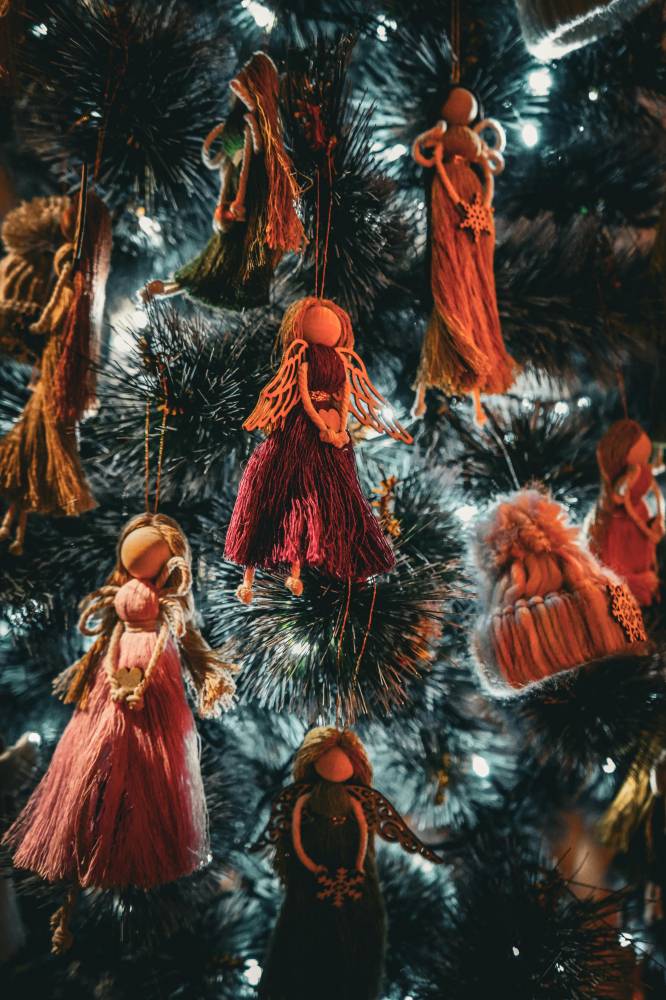
Out of all the international holiday influences, the Christmas tree is probably the one that Filipinos have embraced the most.
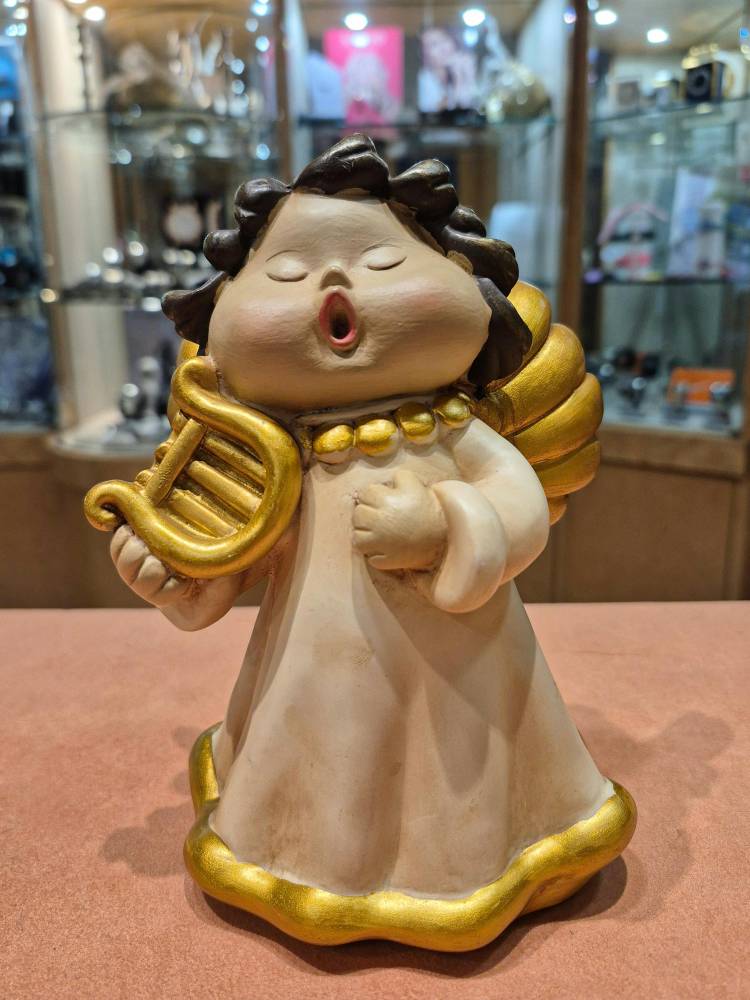
To incorporate some Filipino magic into this traditional Western custom, consider hanging locally themed baubles on your tree. Ornaments made of abaca, capiz and other locally-sourced materials provide a homey vibe.
For some family bonding time and precious memories, consider making your own decorations with your children. This gives a personal touch to this otherwise widespread Christmas tradition.
Cherish what matters most
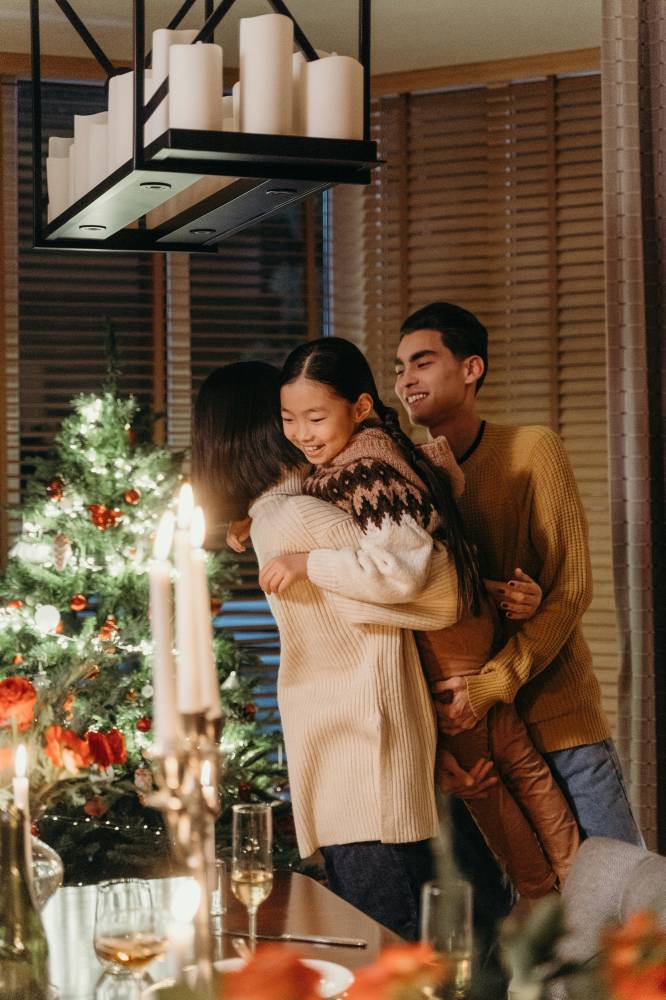
Whether you’re a fan of the traditional Pinoy Christmas or more modern versions, there’s no denying it: Our country has one of the most enjoyable yearend traditions across the globe.
Consider making your Christmas celebration more welcoming by incorporating new elements in your usual decor and customs. Even if you open your home to new Christmas traditions, as long as you retain the values of family, joy and love, your Christmas will always be Pinoy at heart. Don’t be afraid to spread some Filipino cheer and celebrate Christmas with the world this year.
Photo Sources: Nano Erdozain, C1 Superstar, Nikola Tomašić and cottonbro studio via pexels.com