








The highs, the lows, and the lessons that define PH real estate


Over the last four decades, Philippine real estate has been a battlefield of cycles, crises, reinventions, and rebirths.
It had weathered political shocks, financial crises, geopolitical tensions, the pandemic, shifting demographics, and the rapid advance of technology. Each downturn exposed fragilities—from the Asian financial crisis that unmasked the dangers of debt-driven expansion to the global financial crisis that showed how even a relatively insulated Philippines could be tempered by tightening liquidity and shaken investor confidence.
The hardest blows, however, became the very catalysts for the biggest booms that followed.
The Asian financial crisis, for instance, ensured rigor, discernment, and discipline into banks and Philippine developers. The global financial crisis drove outsourcing to Philippine shores, fueling the rise of an industry that is now central to the country’s growth story. The pandemic meanwhile accelerated logistics and suburban housing. Even the painful exodus of POGOs exposed the vulnerability of anchoring growth on volatile demand.
Indeed, the roller coaster ride of real estate has never been gentle, but each boom and bust would push boundaries every single time. As the last 40 years have shown, these turning points—regardless of direction—have reimagined our cities, reshaped the preferences of consumers and investors, and in the process, elevated the standards of the industry.
Today, in the aftermath of the pandemic and POGO exit, recovery in real estate is alread underway, although uneven.
Oversupply overlaps with unmet demand. Metro Manila continues to dominant, but regional centers are fast gaining momentum. Infrastructure buildup remains key in unlocking more opportunities outside the capital region. Technology and wellness are meanwhile reshaping how spaces are used.
To see the full picture, we turned to industry experts, who have traced the forces that shaped the past, made sense of the realities defining the present, and reflected on the choices that will shape the future. Their insights offer a clear view of what it will take to unlock the next golden era of Philippine real estate.
The cycles that built, shook, and reshaped PH real estate

Richard Raymundo
Colliers Philippines
Over the last 40 years, certain turning points have reshaped Philippine real estate. These stem from the industry’s boom-bust cyclical nature.
Among the most significant downturns in the market would include the political instability in the ’80s. The assassination of Benigno “Ninoy” Aquino Jr. and the series of coup d’état attempts during this period led to unstable investor sentiment in the market.
The 1997 Asian financial crisis, meanwhile, led to the massive devaluation of Asian currencies, and smaller real estate firms were then forced to sell assets at distressed values. Bank lending tightened and interest rates soared, leading to limited developer financing and curtailed mortgage lending for homeowners.
In 2008, the global financial crisis had some effect on the market, but it was not as severe as the previous crisis as we had less exposure to subprime assets. It can also be argued that Philippine banks and developers learned from the 1997 crisis and implemented stricter controls.
The COVID-19 pandemic in 2020 led to extended lockdowns, affecting demand for office space and mall foot traffic. Residential condominium demand also shifted to suburban living as remote work arrangements reduced the need to be in the central business districts (CBDs). Construction of residential condominiums was delayed, eventually leading to the supply spikes afterward.
And more recently, we had the exodus of Philippine offshore gaming operators (POGOs) and the current political instability. The government’s stance in 2024 on a complete ban on POGOs led to the massive spike in office vacancies, particularly in areas such as the Bay Area. Demand for housing in areas serving POGOs also collapsed, resulting in elevated vacancy.
Significant completions of condominiums after delays during the pandemic did not help, and eventually led to softening prices and demand.
Strongest boom periods
Of course, if there are busts, there are also booms.
The Ramos administration—from 1992 until the 1997 Asian financial crisis—offered a conducive climate for stability in the industry, as investor confidence was boosted by economic liberalization policies and political stability. It was also during this period that incentives were introduced, leading to the rise of the business process outsourcing (BPO) industry in the country.
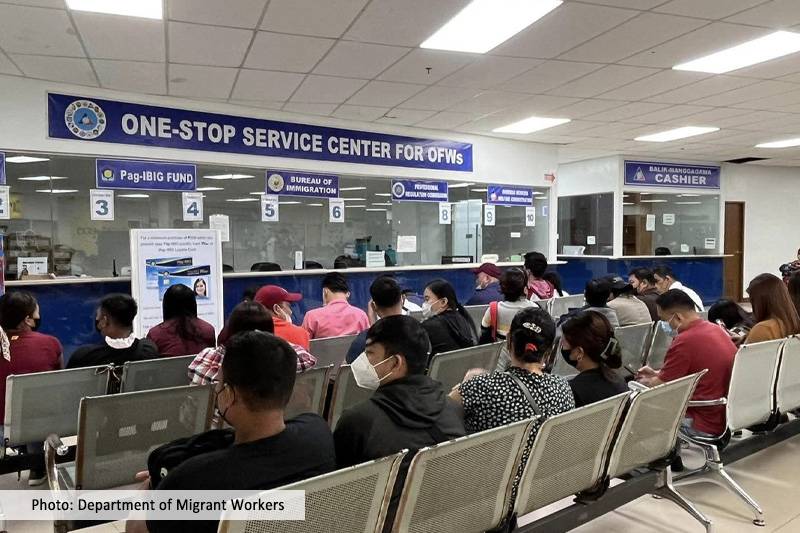
The period after the Estrada administration until the 2008 crisis, meanwhile, saw strong remittances from overseas Filipino workers (OFWs), supporting residential demand. The BPO industry also continued to expand during the period, which supported the office sector.
During the Aquino administration, we saw the BPO industry further expanding, leading to an office and residential boom. This was also the period when business districts flourished. The POGO boom during the Duterte administration led to a significant increase in residential prices and take-up in office space. At its peak, POGOs accounted for a tenth of the office supply in Metro Manila, equivalent to more than a million square meters.
Linchpins of PH economy
Currently, remittances and the BPO industry are the linchpins of our economy.
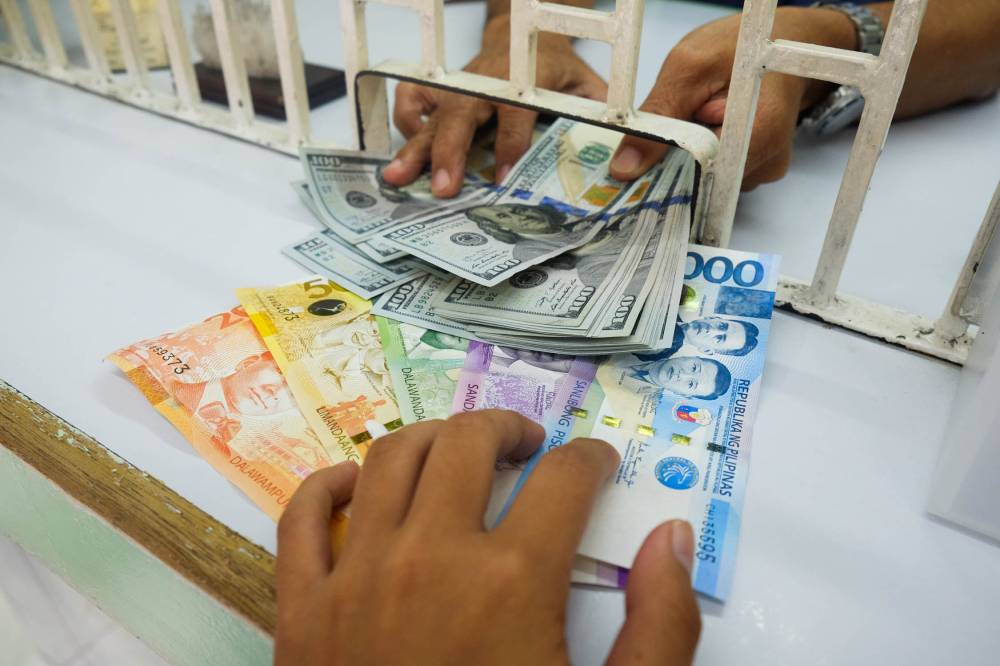
And with it comes demand for all segments of the Philippine property industry—from office space for BPO companies, residential accommodation for workers, mid-income housing from remittances, and also retail demand from consumption. The BPO industry has recorded revenues of close to $35 billion while OFW remittances are in excess of $38 billion.
While overall demand is still Metro Manila-centric, we have also seen regional growth centers in provinces like Cebu, Davao, Pampanga, and Iloilo.
BPO companies have provided opportunities in these areas. Remittances have also played a key part in regional expansions of major developers in these provincial areas through their townships and mixed-use developments.
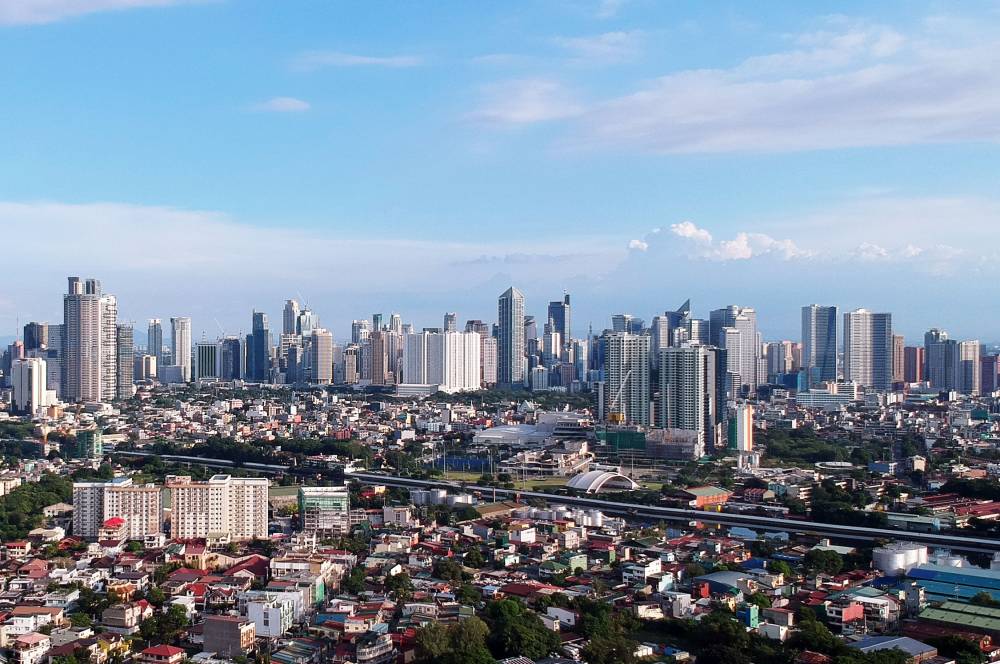
Within Metro Manila, we have seen expansions into alternative business districts and self-contained developments such as Rockwell Center, the C5 corridor, Bay Area, Vertis North, and Arca South.
Challenges remain
I would not say that good times are back for the Philippine property industry, given that there are challenges for each sector. An oversupply situation in the residential condominium market has led to softening prices and limited launches, while the political noise has led to investors taking a wait-and-see stance at the moment.
But there are green shoots. The fact that developers are discounting residential projects to move inventory provides an opportunity for end users to own property at very attractive terms.
In the office sector, vacancy is starting to fall in key areas such as the Makati CBD and Fort Bonifacio, and provincial centers are gaining traction with the BPO industry.
In short, what the market needs is stability in political, financial/monetary, and regulatory conditions–and what we need as well to help unlock the next golden era in Philippine real estate.
30 years of cycles, crises, and growth drivers

Joey Radovan
JLL Philippines
Based on my 30 years in the industry, there were two critical milestones.
First was the advent of our country developing into one of the top three outsourcing hubs in the world, starting in the mid ’90s when Andersen Consulting, now Accenture, opened its back office operations followed by Sykes Asia opening its first call center.
That accelerated demand, restored investor confidence, and brought in more capital flows—drawing developers into the real estate arena. This was validated by the investment entry of a sovereign wealth fund’s investment in two office projects in the Makati central business district (CBD).
Second was in 2020 when the COVID-19 pandemic impacted both demand and supply, but also introduced technical innovations that accelerated affordable virtual meetings and the advent of hybrid working.
Demand booms
I have observed that the full real estate cycles, including peaks and valleys, in the Philippines averaged within 10-year periods.

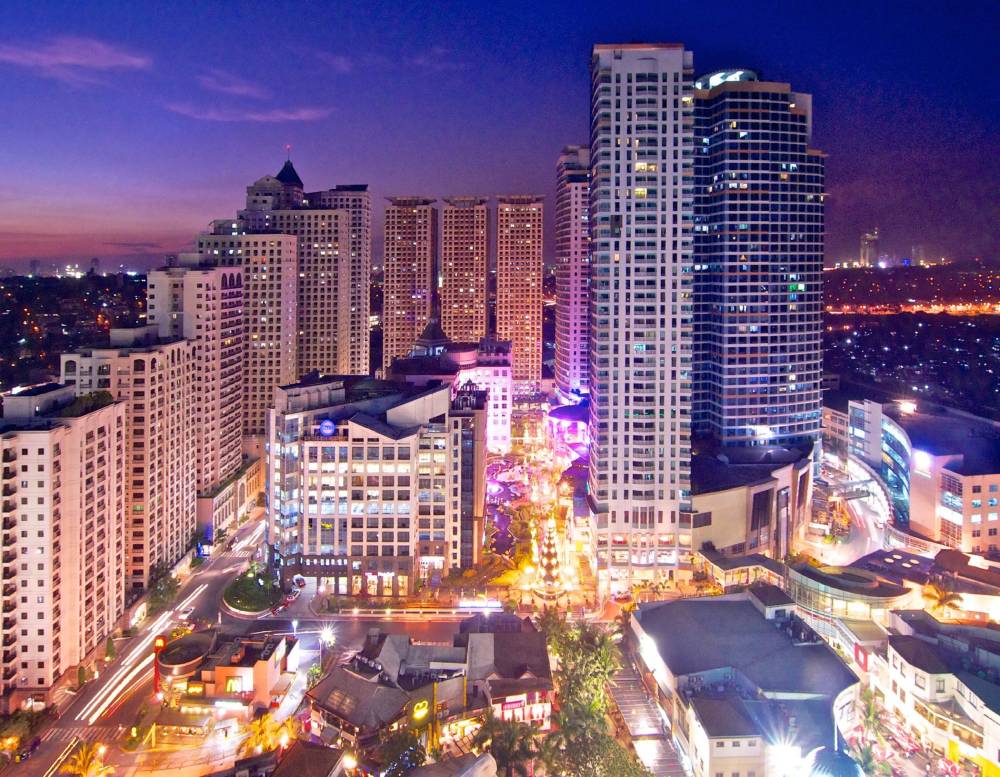
The development of Eastwood City was the crucial point signaling the boom for mixed-use, township projects. The mid-2000s and 2010s were real demand booms powered by the IT and business process outsourcing (IT-BPO) industry and overseas Filipino workers’ (OFW) remittances, which positively impacted office, residential, and retail projects.
This brought in institutional capital and strong foreign developer interests. The Asian financial crisis, the global financial crisis, and the COVID-19 pandemic fueled the critical downturns that support my 10-year real estate cycle periods.
Major contributors
Overall, OFWs and the employees from the outsourcing industry were major contributors to investments as both buyers and sellers. They helped developers ascertain demand to support supply to the credit of speculative developments from major developers coming from national and local firms.
The source of the labor pool dictated where BPO companies would open and this brought developments in many cities. Metro Manila will remain a key investment hub, together with Cebu and Davao, but I have seen acceleration over the last decade in new areas as far north as Ilocos Norte as well as down south in Cagayan De Oro.
Early stages of recovery
There is no good or bad time in the real estate industry. It really depends on which sandbox you are playing in. Are you a buyer or a seller? A developer or an investor? A tenant or a landlord?
We are in the early stages of recovery so caution is still required for those that are not well capitalized. The cost of capital is improving but external factors in the global arena can delay or accelerate our growth momentum.
Technology shifts and acceleration such as cheaper video calls have impacted the demand for physical use of space. Artificial intelligence is the big “elephant-in-the-room” but it’s potential long-term, negative impact over demand for space is yet to be seen.
Policy and incentives can move the needle but can also be a double-edge sword. So I would go back to this and ask the question: “Which sandbox are you playing in?”
The game-changer
There is no question that the “game-changer” to unlock the next golden era in Philippine real estate will be the acceleration of infrastructure developments linking our 7,000 islands. If the government and the private sector, together with foreign partners that have the technical knowledge and capital, can come together, we can accelerate our success.
Equally important is fueling our innovation engine to support foundational education reform across the board. This requires a national strategy for lifelong learning to widen the talent funnel that will be valuable to learners, employers and investors.
Real estate supply was fueled by the type of jobs required by industries. So if we develop new industries or improve current industries, we will fuel demand across real estate segments. We don’t have to look far. We have a solid case-study running almost three decades now—the IT-BPO industry. We just need to figure out how to get to the highest value chain fast, and what the next best industry is to fuel demand.
Forging the future: Charting the course of Philippine real estate

Claro Cordero Jr.
Cushman & Wakefield Philippines
The Philippine real estate landscape is a testament to remarkable resilience and dynamic transformation.
Over the past four decades, it has navigated profound cycles of boom and bust, weathered economic crises, and adapted to fundamental shifts in demographics and global commerce. For investors and developers alike—from large-scale firms to individual Filipino buyers—understanding this journey is crucial for identifying the strategic opportunities that lie ahead.
Milestones of a market in motion
The trajectory of Philippine real estate is marked by several transformative events. The period following the 1986 People Power Revolution set the stage for economic liberalization, but it was the subsequent decades that truly reshaped the sector.
The passing of the Special Purpose Vehicle (SPV) Act of 2002 was a crucial policy intervention. It allowed banks to offload non-performing loans and assets accumulated during the 1997 Asian financial crisis.
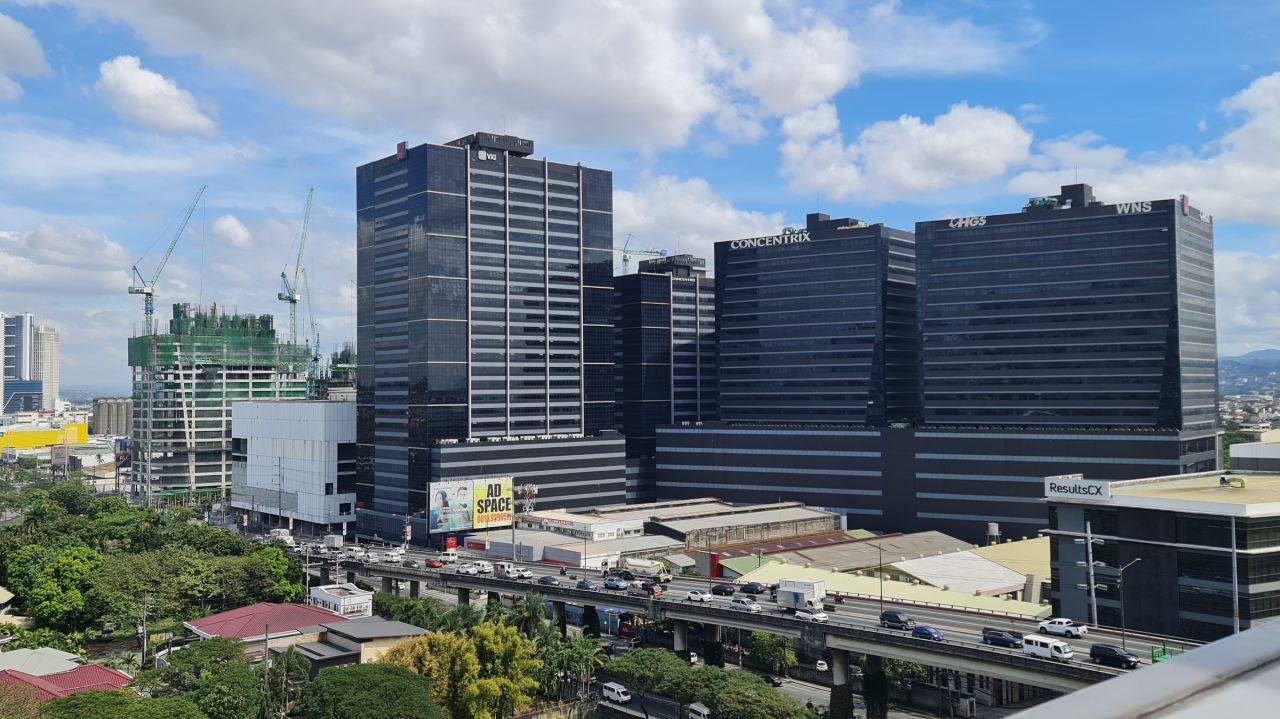
Simultaneously, the rise of the business process outsourcing (BPO) industry created a new, formidable pillar of demand. Starting in the early 2000s, the sector’s insatiable need for office space drove an unprecedented construction boom, particularly in Metro Manila.
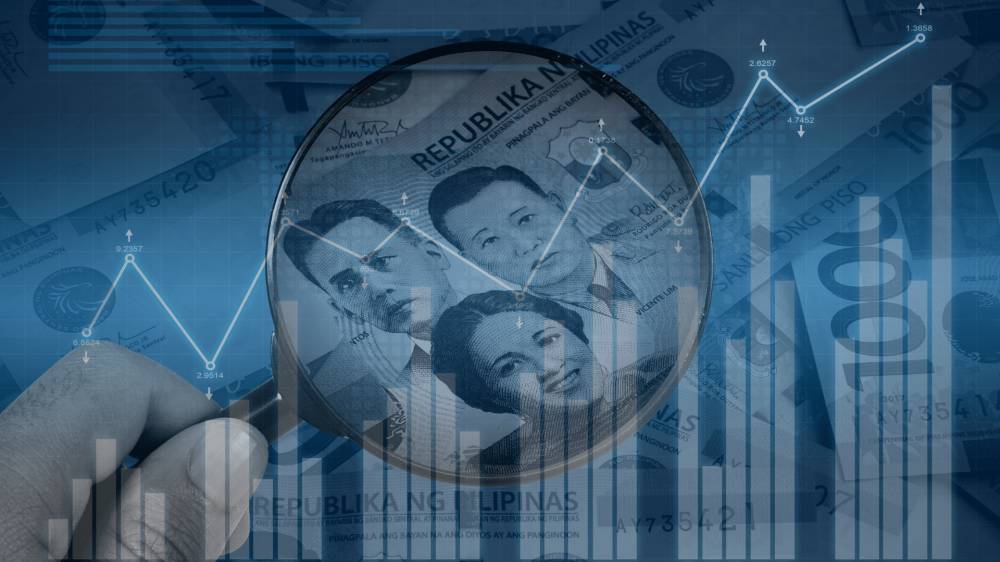
Another significant driver has been the steady flow of overseas Filipino worker (OFW) remittances, which created a stable base of end-users and investors, and provided a resilient buffer during periods of economic uncertainty.
Cycles of growth and contraction
The Philippine real estate market experienced distinct periods of expansion and correction. The most significant downturn was the 1997 Asian financial crisis, which exposed local market vulnerabilities.
In contrast, the strongest boom period unfolded from the early 2000s to the years preceding the COVID-19 pandemic. This sustained expansion was built on the BPO industry’s growth, robust OFW remittances, and historically low interest rates. This era also saw the popularization of large scale, masterplanned townships.

The pandemic represented another critical downturn, though its impact varied. The office and retail sectors faced immense pressure while the industrial and logistics sector experienced a surge in demand. The residential market, after an initial pause, demonstrated surprising resilience.
The impact of past crises on market rents reveals the depth and magnitude of these disruptions. During the Asian financial crisis, rents dropped by 62 percent from pre-crisis peak. The global financial crisis triggered a less severe 40 percent decline from the previous peak.
In contrast, the pandemic created a divergence in rent performance. While Prime and Grade ‘A’ rents fell by up to 15 percent from their peak, they recovered more quickly than the Grade ‘B/C’ market.
A new cycle on the horizon?
As the Philippine economy moves past the disruptions of the pandemic, a palpable sense of optimism is returning to the real estate market. In early 2025, optimism aligns with stabilizing global inflation and a steady monetary policy across most economies.
Demand for local office space is rising, with annual absorption projected to increase by over 65 percent by end 2025. This growth is expected to drive modest rental increases for prime assets in CBDs like Makati, Bonifacio Global City, and Ortigas, with rents forecasted to grow at a 3 percent CAGR over the next five years.
While supply pressures in Metro Manila’s condominium market as well as other urban areas remain a concern, the demand for horizontal residential developments in new communities is growing.
However, global economic pressures, geopolitical instability, unclear plans for key infrastructure projects—particularly flood mitigation efforts tied to ongoing corruption inquiries—and potential shifts in domestic policy could hinder growth. Sustaining progress will require fiscal discipline, transparency, and a business-friendly environment.
Unlocking a golden era
Looking ahead, the next decade promises further evolution. Several key trends will shape the landscape including sustainability and ESG; digital transformation; infrastructure; as well as flexible and niche segments.
Achieving a new era of growth in the Philippine real estate sector will require strong collaboration between the public and private sectors.
Key priorities include streamlining business processes and ensuring the transparent allocation and implementation of funds for long-term infrastructure projects to strengthen investor confidence. Enhancing financial regulations and practices will also play a critical role in reducing the vulnerability of the entire economy—not just the real estate sector—to money laundering and corruption, which undermine trust and investment.
The journey of Philippine real estate has been one of adaptation and ambition. By building on its resilient foundations and embracing the opportunities of the future, the sector is well-positioned to enter a new era of strategic, sustainable, and inclusive growth.
Turning points that transformed Philippine real estate

David Leechiu
Leechiu Property Consultants
One of the most significant turning points in Philippine real estate over the last 40 years is the liberalization in the 1990s under the Ramos Administration. This opened the market to foreign investors and modernized the banking sector, promoting capital flows.


The Asian financial crisis in 1997 and the global financial crisis in 2008 also forced global companies to rethink costs—opening the door for the Philippines to emerge as a preferred outsourcing destination.
These crises, ironically, became catalysts for growth for us. That surge in the IT and business process management (IT-BPM) demand transformed Metro Manila’s office market and spilled over into residential and retail demand. Eventually, mixed-use estates and townships started sprouting all over the place.
We should also note the pandemic that changed the perception of occupiers to prioritize not only proximity to necessary locations, but also wellness and sustainability.
Biggest booms
The biggest booms came after the crises. After the Asian financial crisis, reforms stabilized the economy and set the stage for growth.
The IT-BPM industry then surged from the early 2000s until just before the pandemic, fueled by foreign firms cutting costs after the global financial crisis. This created structural demand for office space and, in turn, spilled over into residential and retail projects.
The most critical downturns would be the pandemic and the exit of Philippine offshore gaming operators (POGOs). The pandemic drove buyers to reevaluate priorities in terms of wellness in real estate, while the POGO exodus drove stakeholders to reevaluate the costs of high-risk occupiers.
Gradual decentralization
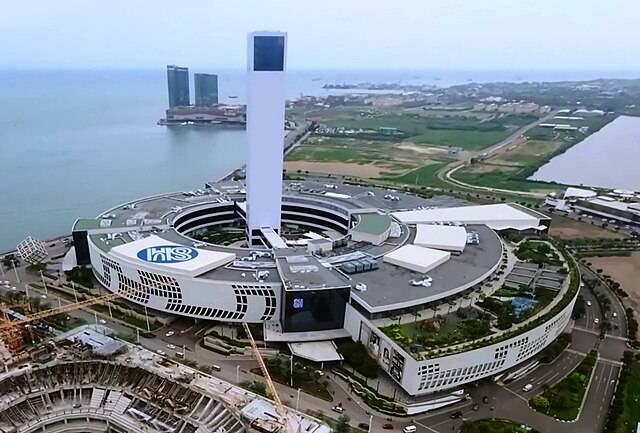
Remittances from overseas Filipino workers (OFWs) gave us a steady source for housing demand nationwide. IT-BPMs concentrate value predominantly in Metro Manila. Townships changed the game—making “off-center” properties valuable by integrating live-work-play- -shop-learn-worship together.
Regional centers like Cebu and Davao are meanwhile growing, but Metro Manila still holds the bulk of capital and liquidity. Decentralization is happening, but it’s gradual and infrastructure-led.
Momentum is building
As of today, recovery signs are there, and yes, the momentum is building. But calling it a full-blown growth cycle may be premature.
Oversupply in some segments while having underserved segments amid global uncertainties remain real risks. Optimism should be tempered with discipline—focus on fundamentals and avoid speculative plays.
Moving forward, we expect a gradual absorption of current inventory, regional growth acceleration, and ESG compliance shaping demand. AI will play a critical role in operational efficiency—optimizing energy use, predictive maintenance, and tenant experience.

The next golden era hinges on proper infrastructure execution, regulatory stability, and how fast we integrate technology into real estate.
Understanding the cycles and corrections in PH real estate

Sheila Lobien
Lobien Realty Group
The Philippine real estate market is cyclical, with almost five to 10 years of bull runs followed by recessions.
The most significant runs in recent memory are those from 2003 to 2008, coming from the 1997 Asian financial crisis, and the 2009 to 2019 run coming from the 2008 global financial crisis.
The industry is extremely sensitive to economic downturns that eventually result in gross domestic product contraction. Rental rates decreased by almost 40 percent during the 1997 AFC (from P600 per sqm in 1997 down to P360 per sqm in 2003) and by 29 percent during the 2008 GFC (from P700 per sqm in 2007 down to P500 per sqm two years after, in 2009).
For the 2009 to 2019 run, we see three key economic indicators that may have provided support to the industry: low inflation rate of 3 percent, low benchmark interest rates of around 4 percent, and GDP nominal growth of 6 percent, all on average numbers.
Policy-wise, we can observe that the current administration is trying to return to these three economic indicators. And this is good news for the country’s real estate participants.
Inflation is well under the Bangko Sentral ng Pilipinas’ target band of 2 to 4 percent, which is a key component of the country’s monetary policy. Benchmark rates have gone down to 4.75 percent year to date, from as high as 6.5 percent in 2023, with further cuts expected in the next several quarters.
However, GDP is quite challenged, and we may grow less than 5 percent in the next several years, which will strain the real estate market’s recovery efforts.
Strongest boom
The strongest boom for the real estate market was the decade 2009 to 2019, coming from a critical 2008 GFC downturn.
Rental rates grew from P500 per sqm in 2009 to P1,160 per sqm in 2019. Vacancy rates were at 5 percent, the optimal level for the commercial real estate industry, and construction of new office supply grew from 600,000 sqm in 2009 to 1.2 million sqm in 2017 and 2019. This translated to around 7.2 million sqm for this 10-year period, which is equivalent to almost half of Metro Manila’s current office supply.
Shifting growth map
Growth remains Manila-centric despite the increase in OFW remittances, the move of BPOs, and the rise in popularity of township living.
Metro Manila still has the following numbers: in terms of number of township developments, 40 percent; for office space, around 80 percent or close to 16 million sqm; for residential and condominiums, around 75 percent.
However, we see some shifts after the pandemic, especially in the residential market. If we look at residential real estate loans share, in Q4 2019, which is pre-pandemic, 48 percent is in the National Capital Region. But this has decreased to 27 percent in Q1 2025 with significant shifts to Calabarzon (from 25 percent to 30 percent for the same period) and Central Luzon (from 7.7 percent to 14 percent).
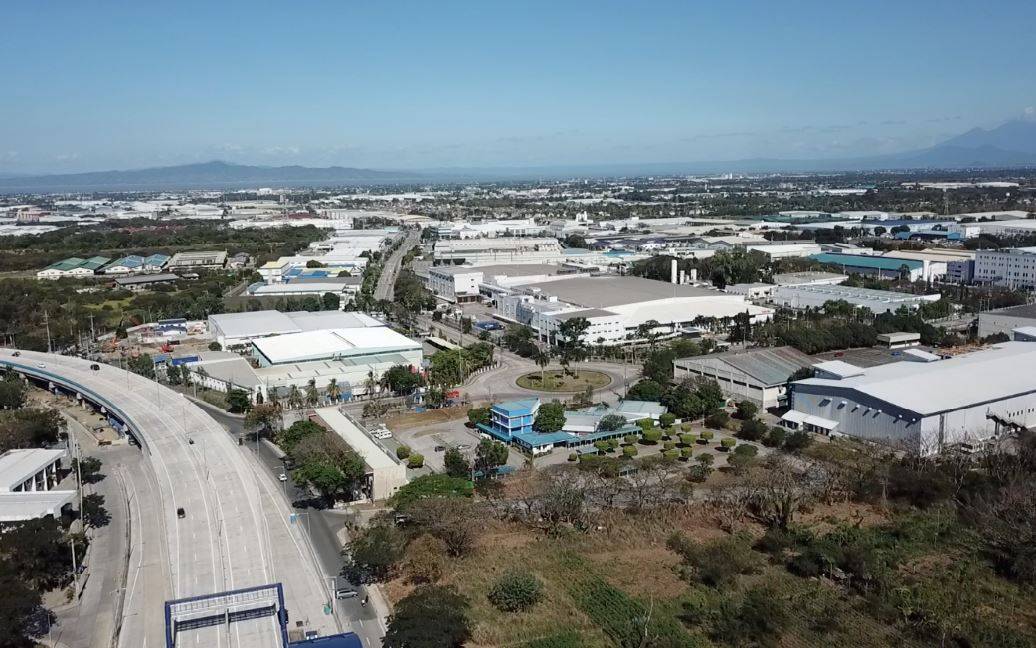
For industrial real estate, we see the rise of Calabarzon and Central Luzon as new preferred destinations as evidenced by the construction of more warehouses in these areas.
The increase in residential, industrial, and township developments in these areas may not be purely economic, but more a result of the projected presence of road infrastructure in these areas.
In the cusp of another recovery
Currently, we see a mixed picture of the real estate market.
Commercial office rental rates remain relatively resilient—softening by only around 20 percent. But vacancy levels are at 20 percent, likely due to challenged GDP growth and elevated benchmark interest rates, even as inflation stays within the BSP’s target range.
We need to have that belief and confidence that the economy is already robust and will grow at 5 to 6 percent, and interest and inflation rates will stay low in the long term before we can have a sustainable recovery.
With respect to timing in the perspective of the real estate cycle, it took us five years to stay in recession during the 1997 AFC and two years during the 2008 GFC. Effectively, we have been in recession since 2022 and, thus, we are in the cusp of another recovery—granted we will have certain economic indicators working for us. I must say recovery is just around the corner.
Another boom
Definitely, there will be another boom! The pent-up demand is already there. The real estate cycle points to recovery and after that, we will have expansion and hyper growth across all segments.
However, the one that will unlock the next golden era of Philippine real estate—besides key economic indicators—will be the growth of the middle class, alongside the Philippines becoming an upper middle-income economy, wherein GDP per capita is between $4,256 and $13,205.
We should all aspire and work for that status—for us, our children, our great grandchildren and our country. As of 2024, our GDP per capita is close to $4,000. We are almost there!