










The quiet power of green spaces

Anyone who has spent years working in dense business districts knows the rhythm by heart.
Mornings move fast—crowded sidewalks, hurried steps, eyes fixed forward as people race against the clock. By evening, the same streets feel heavier. Faces soften, shoulders slump, and exhaustion becomes almost visible.
Over time, that rhythm does not simply end when work does. It lingers, carried home in the body and mind.
Early in my professional life, this was the environment I knew best. I assumed the constant urgency, noise, and pressure were simply part of city living—an unavoidable trade-off for opportunity and growth.
A different sense of pace
That assumption began to change when work brought me to the Metro South.
What stood out was not the absence of development or activity but a different sense of pace. Time felt less compressed. Walking did not feel like competing with the clock.
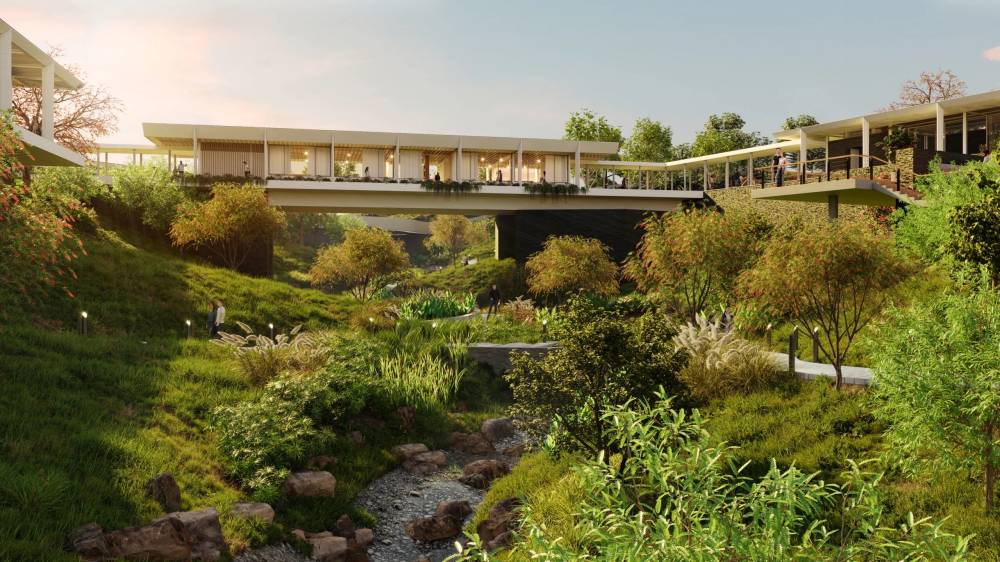
There was space to pause, to look around, and to breathe. Trees, patches of green, and open areas were not dominant features but they were present enough to influence how the place felt. The work itself remained demanding, yet the environment no longer added to the fatigue.
Meaningful contrast
As professional responsibilities grew and work became more intense, this contrast became more meaningful.
For nearly three years now, I have found myself driving south on a weekly basis–often choosing longer routes and paying toll fees. It’s not because it’s the most efficient option, but because it offers something increasingly rare: Cleaner air, visual relief, and a brief return to nature that helps counterbalance exhausting weeks.
This experience is not unique. Many people make similar choices, even if they do not always articulate the reason.
They take longer routes, prefer certain neighborhoods, or seek out parks and tree-lined streets because their bodies respond to these spaces. The relief is immediate, even if it is subtle.
Improved health and well-being
There is growing evidence behind this response.
Research in urban health and environmental psychology consistently shows that access to green spaces is associated with lower stress levels, improved mental well-being, and better physical health.
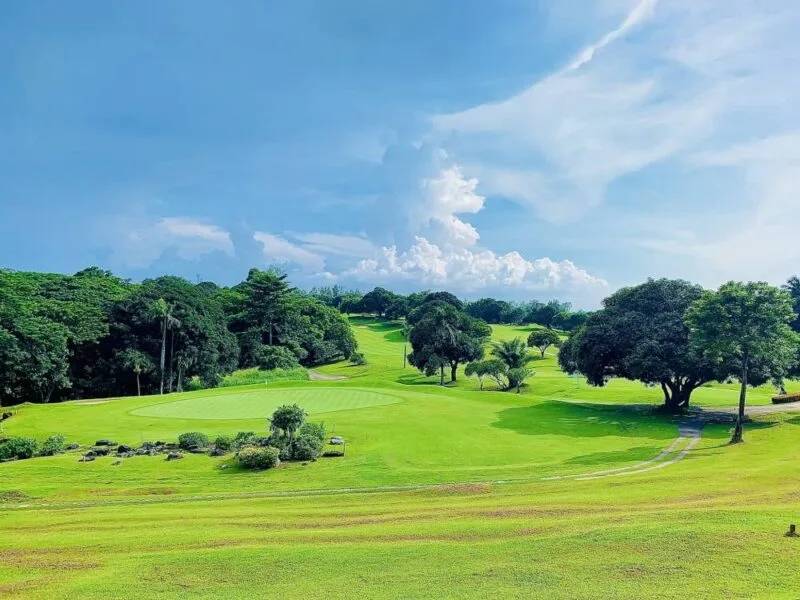
Trees help filter air pollutants, reduce heat, and soften noise. Green environments encourage walking, slow movement, and offer moments of pause in cities that often demand constant attention and speed.

In long developed parts of Metro South, including neighborhoods such as Susana Heights, these green elements remain quietly embedded in everyday life.
They may appear ordinary or incidental, yet they shape daily experience in important ways. They influence how commutes feel, how quickly exhaustion sets in, and how much energy people carry back to their homes and communities at the end of the day.
Power of green spaces
Cities are often measured by speed, density, and economic output. These indicators matter. But they do not tell the full story.
Equally important is whether a place supports health, balance, and the simple human need for relief from constant pressure.
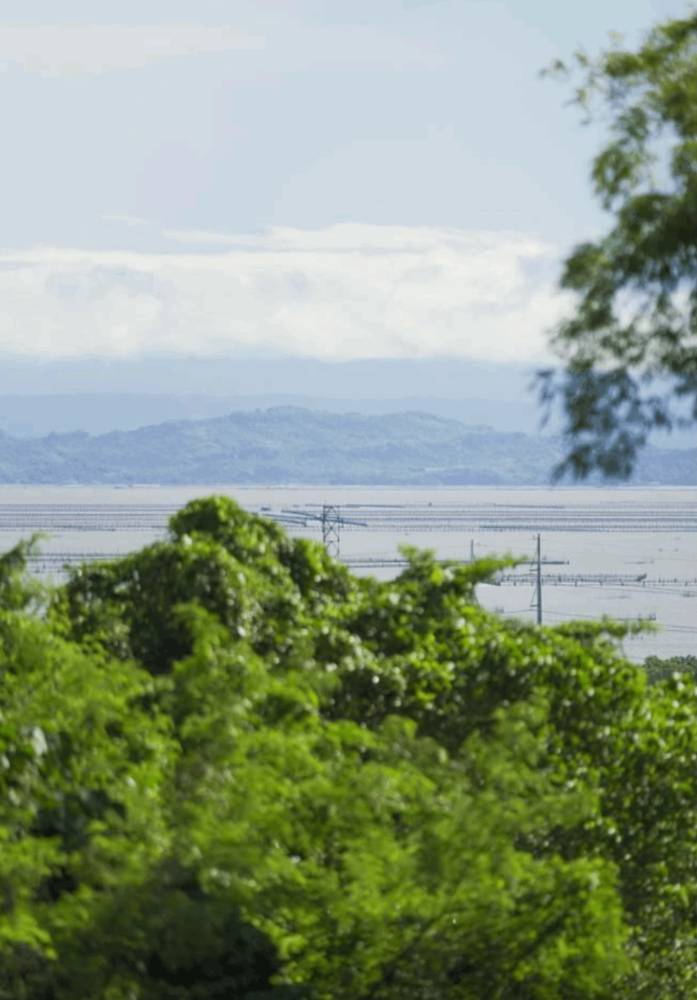
The power of green spaces is rarely loud or dramatic. It works quietly, over time, helping people recover, feel more at ease, and sustain themselves amid the demands of urban life. In a fast-moving world, that quiet support may be one of the most valuable qualities a city can offer.
The author is a USGBC LEED fellow, UAP Notable Architect Awardee, Asean architect, educator, with more than 25 years of experience in architectural and interior design, corporate real estate, construction, property, and facilities management