







The rise of Cebu, Iloilo, and Bacolod: Visayas’ property triad

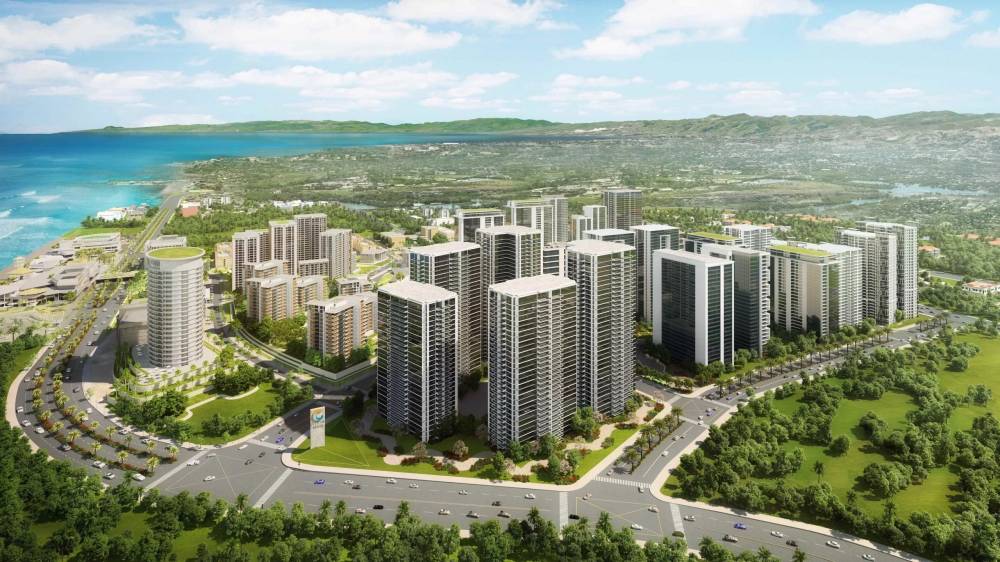
In recent years, the Visayas has emerged as a significant hub for business process outsourcing (BPO), real estate development, tourism, and regional economic growth.
Compelling alternatives
Cities like Cebu, Iloilo, and Bacolod are at the forefront of this transformation, benefiting from expanding outsourcing operations, rising residential and commercial development, strategic infrastructure projects, and lifestyle-driven tourism appeal.
These factors make them compelling alternatives to Metro Manila for businesses, professionals, and investors seeking long-term growth.
Strong economic performance, reflected in rising gross regional domestic product (GRDP) figures, underscores this trend and suggests that Visayas is steadily solidifying its role in the national economy. Its growth likewise reflects shifts in urbanization and workforce patterns.
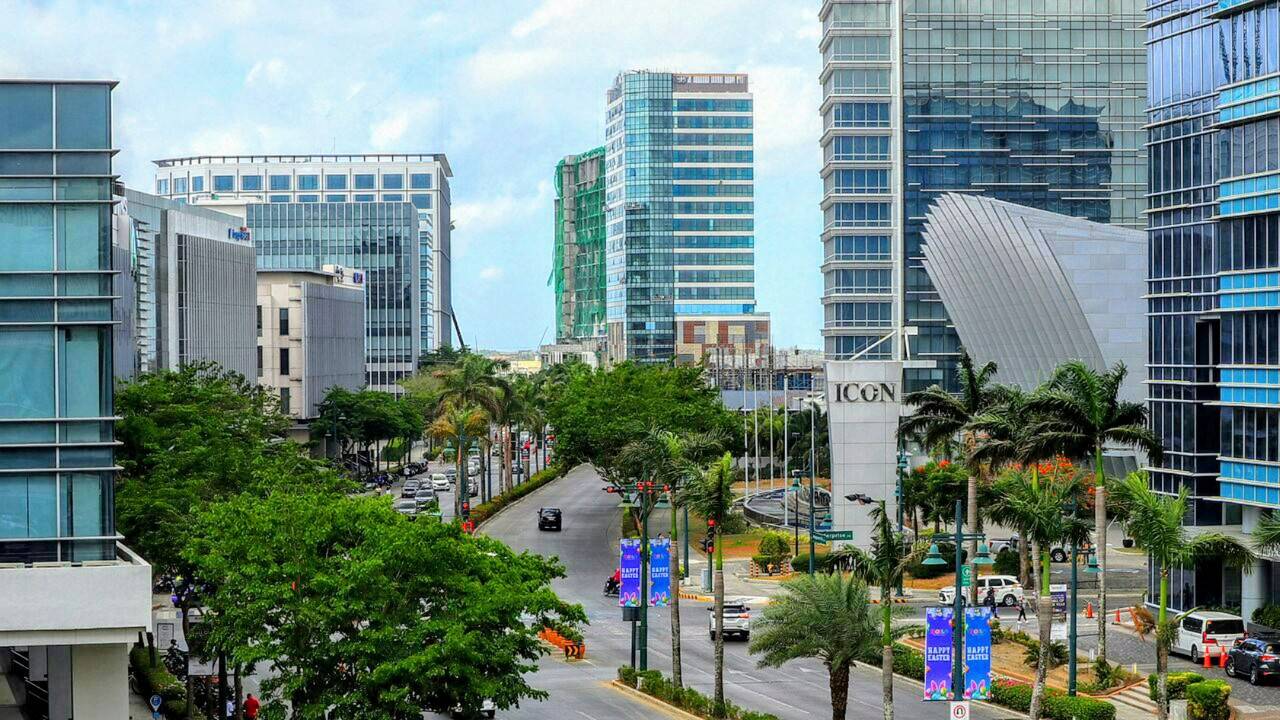
Cebu: Leading the way in BPO, real estate, tourism
Cebu has long held the reputation as the premier outsourcing hub outside Metro Manila.
As of 2025, close to 150 BPO companies operate in Cebu province, concentrated in Cebu City and Mandaue, employing around 160,000 workers–about 15 percent of the national IT-BPM workforce. In 2022, Cebu accounted for nearly 60 percent of all provincial BPO expansions, reflecting its continuing appeal to multinational firms.
The economic backbone of Cebu is visible in its GRDP. Central Visayas, the region that includes Cebu, posted a GRDP of P1.381 trillion in 2023, representing 7.3 percent year-on-year growth.
Besides its strong economy, Cebu’s modern office spaces, skilled workforce, and competitive operational costs continue to draw IT-BPM companies seeking alternatives to Metro Manila.
Meanwhile, residential demand has also risen in tandem with office development.
BPO employee relocation, urban migration, and strong remittance inflows from overseas Filipinos fuel demand for condos, apartments, and masterplanned communities. Developments like Cebu Business Park exemplify a “live-work-play” approach, integrating office, retail, leisure, and lifestyle amenities.
Infrastructure and tourism also play equally critical roles in Cebu’s growth.
Modern airports, seaports, road networks, and inter-island transport systems facilitate business operations and logistics. Cebu’s tourism industry meanwhile boosts the quality of life for residents and workers, enhancing talent retention and attracting skilled professionals.
Iloilo City: A balanced hub for business and lifestyle
Iloilo City is increasingly emerging as a balanced alternative to congested metropolitan centers.
In 2024, it hosted over 100 IT-BPM companies employing more than 45,000 full-time workers. This reflects not just corporate expansion but also the city’s ability to integrate infrastructure, urban planning, and lifestyle amenities to support sustainable growth.
Western Visayas, the region including Iloilo, posted a GRDP of P641.8 billion in 2024, reflecting steady growth. Iloilo City alone recorded a GDP of P160.3 billion in 2023, up 10.5 percent from the previous year, positioning it as the fastest growing city in the region.
This economic momentum supports growing office and residential development and enhances the city’s attractiveness to investors and potential residents.
Office development here is expanding rapidly, with major developers like SM Prime Holdings Inc., Ayala Land Inc., and Megaworld Corp. launching new towers. Masterplanned developments such as Iloilo Business Park offer integrated “live-work-play” environments that appeal to companies and professionals seeking a work-life balance.
Residential growth mirrors this development. Condominiums, apartments, and mixed-use communities cater to BPO employees, overseas Filipinos, and urban professionals.
Infrastructure upgrades further strengthen Iloilo’s appeal as a regional investment and logistics hub, while tourism amplifies its attractiveness. Its heritage districts, vibrant festivals like Dinagyang, and proximity to beaches and islands provide a quality of life that encourages long-term residency.

Bacolod City: A next wave hub with strategic potential
Bacolod City is undergoing a structural economic shift, moving from a historically agriculture-based economy to one driven by BPO, services, and real estate, now accounting for 40 percent of its local economy.
Residential development is keeping pace. As of 2025, Bacolod had more than 6,000 condominium units, with projections to add 1,000 more annually through 2026. Prices range from P193,000 to P273,000 per sqm, signaling confidence in the city’s urban growth.
Large-scale developments, including a new central business district near the city government center, combine office, residential, retail, and hospitality components.
Strategic infrastructure further enhances Bacolod’s potential. Its central location in Western Visayas, integration into the re-established Negros Island Region, and proposed inter-island bridges, port modernization, and airport upgrades make the city increasingly accessible and investment-friendly.
Tourism also plays a complementary role. The “City of Smiles” attracts visitors with its cultural festivals, culinary scene, historic landmarks, and natural attractions.
Structural transformation
The rise of Cebu, Iloilo, and Bacolod signals a structural transformation in the Philippines’ economic and urban landscape.
Decentralization of outsourcing, real estate development, infrastructure investment, and tourism-driven lifestyle enhancements are collectively reshaping the Visayas into a premier hub for business, living, and investment.
With continued investment and strategic planning, the Visayas is poised to become a vital pillar of the Philippine economy.
The author is an associate director at Lobien Realty Group