









The upside in an uneven condo market


As of early 2026, residential vacancy across the metropolis stands at approximately 24.7 percent—that is one out of every four condo units.
Inventory life—the measure of how long it would take to sell all unsold units at current absorption rates—fell to roughly 30 months in the first quarter of 2026 from 41 months at end-2025. This is equivalent to about 75,000 condo units remaining vacant, unsold or unutilized. It remains elevated compared with the pre-pandemic range of 12 to 15 months.
Uneven markets
But treating Metro Manila as a single homogeneous market does a disservice to investors and the industry. A more careful reading reveals that the oversupply is concentrated in specific submarkets.
The structural causes are also distinct and traceable, such as the exit of Philippine offshore gaming operators (Pogos), which erased what was then a strong demand base, and the tightening of mortgage affordability.
The Bangko Sentral ng Pilipinas’ (BSP) higher-for- longer rate stance through 2024 eroded mass market purchasing power, driving backouts, stalled completions, and softer secondary market values. Metro Manila backouts peaked at 4,800 units in Q1 2025 before easing to roughly 3,600 in Q2—still an uncomfortable volume.
Resilient segments
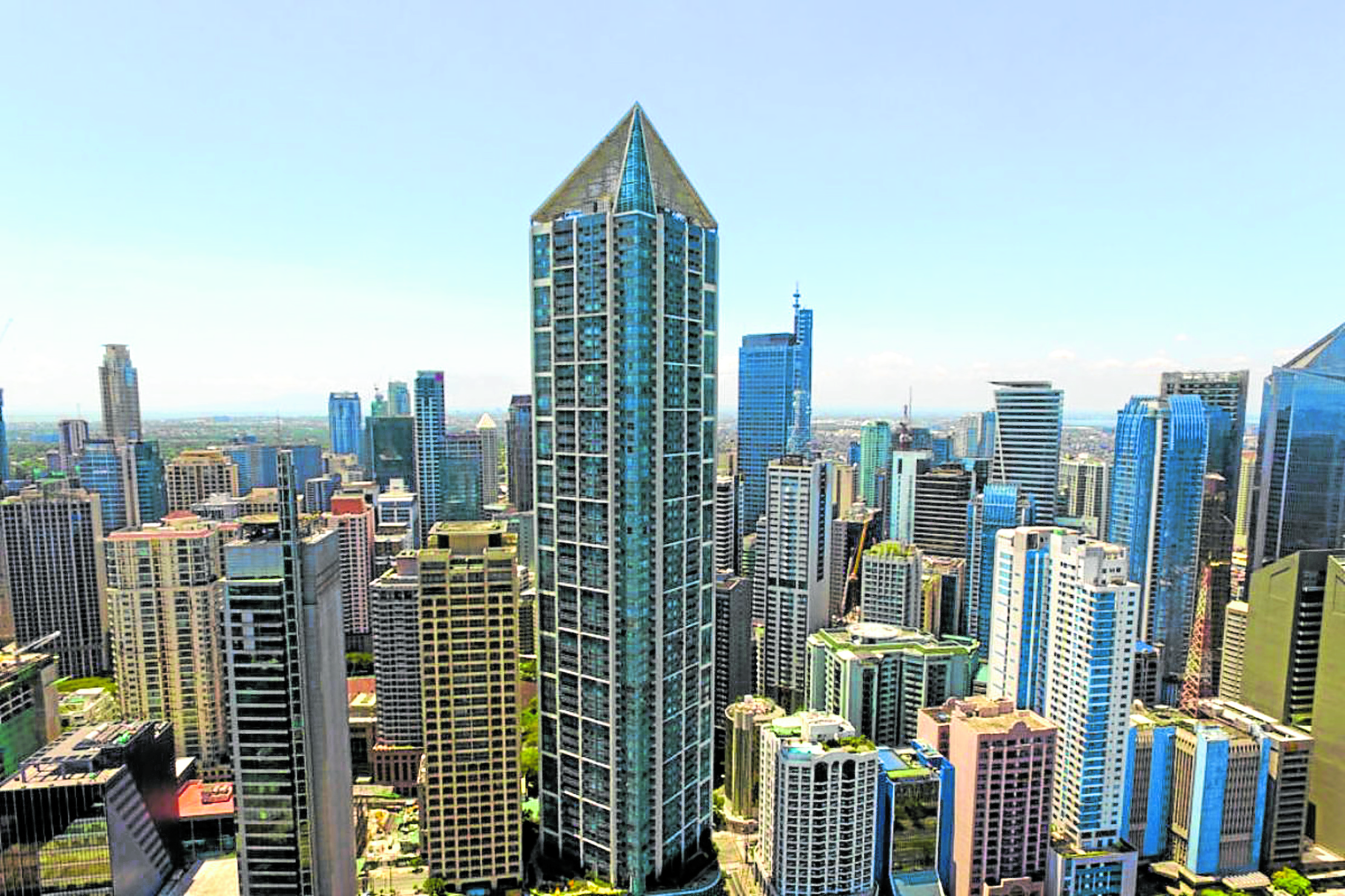
In contrast, the upscale and luxury segments demonstrated more resilience.
Pre-selling take-up for upscale and luxury units hit 85 percent as of late 2025, demonstrating that the current crisis is not universal but reflects a structural misalignment between supply and the income tiers most pressured by elevated borrowing costs.
The oversupply problem belongs predominantly to Pogo legacy markets and oversupplied mass-market segments.
Alabang, by fundamental character, belongs to neither.
The Alabang case: Why numbers are more encouraging
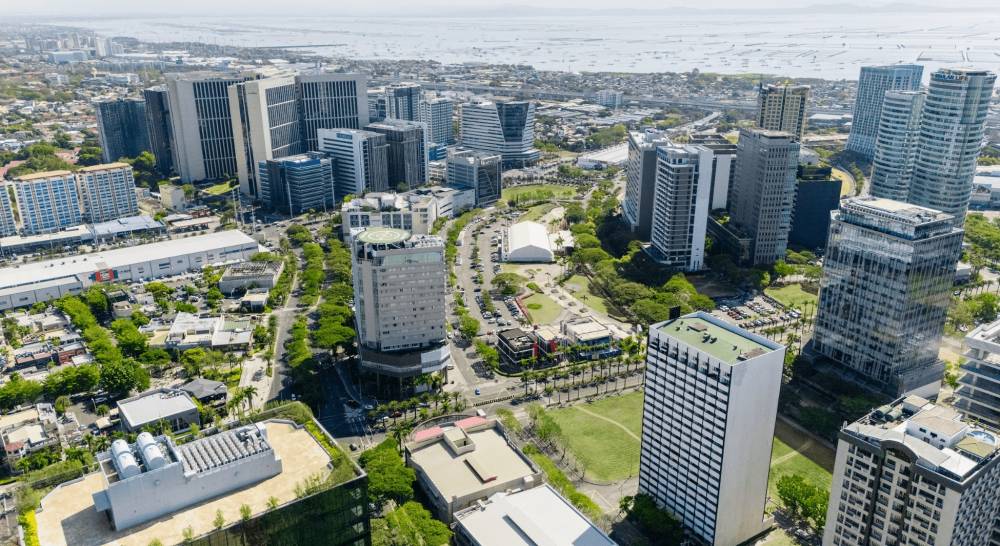
Alabang occupies a materially different position in the metro’s residential hierarchy. It is somehow a well-planned, mixed-use district anchored by genuine employment demand. Its broader ecosystem makes it one of the most self-contained urban communities south of Makati.
On the supply side, Alabang’s condominium stock is projected to grow by 49 percent to 8,440 units by 2026 from 5,660 units in 2023.
Critically, this supply growth is not concentrated in the low-end price band. Upscale and premium projects represent the dominant share of recent and forthcoming launches.
Rental yield data positions Alabang among the stronger performers in the metro. The area consistently delivers estimated net yields of between 5.2 and 8.0 percent for income-generating residential investments. Smaller units in mid-tier buildings command monthly rents of P27,000 to P40,000, while premium two-bedroom units fetch P75,000 to P80,000 per month—with high-end offerings in the luxury segment reaching well beyond P200,000.
Infrastructure also strengthens the investment case. Alabang’s access via the South Luzon Expressway, Skyway, and the Muntinlupa-Cavite Expressway is already among the best in this corridor. Upcoming projects are seen to further improve connectivity.
Reality check: Risks are real
A balanced assessment requires acknowledging Alabang’s vulnerabilities alongside its strengths.
The district’s office market faces genuine headwinds. POGO departures have contributed to elevated vacancies, while the outsourcing sector remains vulnerable to structural disruption. If AI-driven BPO workforce reductions outpace GCC expansion, Alabang’s primary residential tenant base could thin faster than projected.
The pipeline of roughly 2,780 additional units by 2026 is manageable only if employment in the district’s business parks holds or grows.
Alabang’s mid-income segment is not insulated from NCR-wide pressure. If oversupplied, units priced from P3.5 million to P7 million will face the same leasing competition and resale challenges affecting similar products in Quezon City and Pasay.

The opportunity lies in the premium and upscale tier, where market evidence points to an undersupply of well-designed, professionally managed, full-amenity condominiums priced at P20 million and above. This gap presents a credible investment opportunity.
Choose wisely—the market will reward those who do
Assessed against Metro Manila’s current landscape, Alabang condominiums rank among the more defensible residential investments in 2026.
Genuine employment anchors, premium supply positioning, strong rental yields, and improving infrastructure place Alabang in a stronger position than many other NCR markets. An upscale Alabang condo is not simply a bet on recovery, but an investment in structural demand drivers that predate—and may outlast—the oversupply cycle.
The caveat is segment and price-point discipline. Premium and upscale projects targeting professionals, expatriates, and owner-occupiers from the C1 and AB incomebrackets remain viable, with reasonable prospects for capital appreciation and rental income.
On the broader Metro Manila market, the signals are cautiously encouraging. Inventory life has dropped. New launches have slowed to a fraction of their 2021 to 2023 pace. Developers are growing more selective. BSP rate cuts are just a matter of time. And the fundamental demand drivers of the Philippine economy have not diminished.
The Philippine condominium market does not need rescuing. It needs patience, precision, and informed decision-making.
The real estate cycle will turn. When it does, those who acquired the right product in the right location—with a clear view of the risks and opportunities—may find that well-grounded conviction in Philippine real estate is rarely misplaced.
The author is the CEO of Lobien Realty Group


