











The value of walking distance

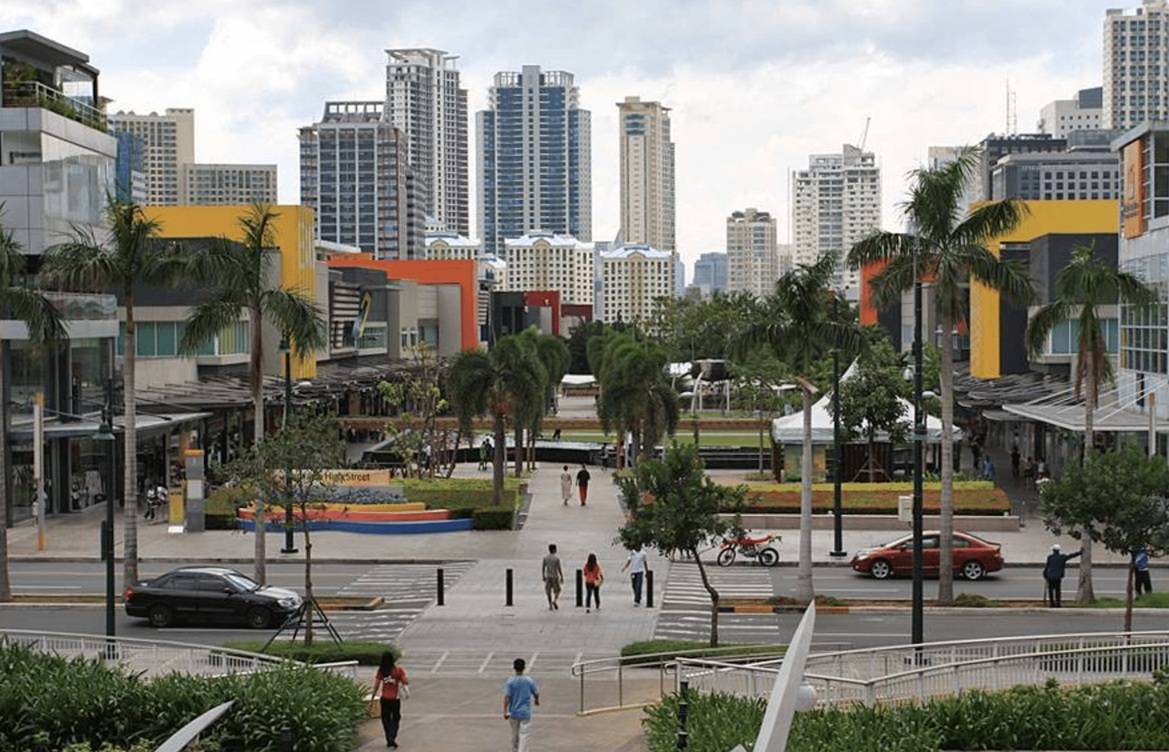
Fuel prices are rising, traffic is worsening, and commutes are becoming longer. Yet the real issue may not be transportation alone—it may also lie in how our communities are designed.
Across the Philippines, urbanization is accelerating. Many municipalities are steadily transforming into cities, while new neighborhoods and townships are emerging in areas that were once agricultural or suburban. Development is expanding quickly.
The question now is whether these places will be designed for people or primarily for cars.
Walking distance
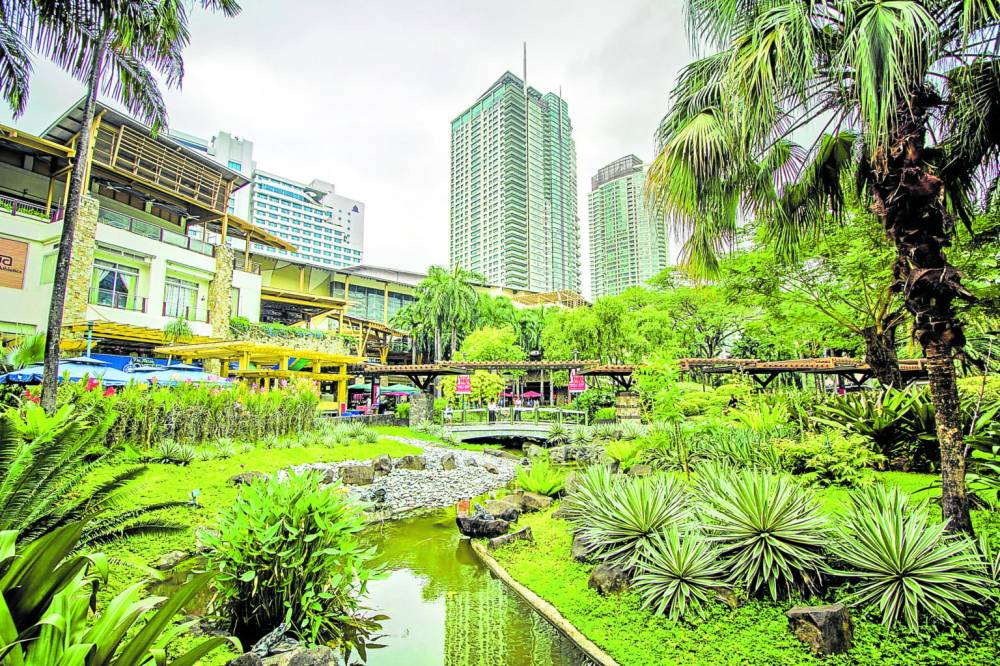
One of the most overlooked measures of good urban planning is something simple: walking distance.
In well-planned communities, daily needs are within reach. A short walk can take you to a grocery, a café, a clinic, a park, or a transit stop. Streets are lined with continuous sidewalks, buildings open toward public space, and people naturally move through the neighborhood without needing to drive everywhere.
Planning frameworks around the world increasingly promote compact, mixed-use communities because they enable residents to meet daily needs without relying heavily on private vehicles.
This reduces congestion, lowers emissions, and makes infrastructure more efficient for growing populations.
Vehicles over pedestrians
Unfortunately, some projects prioritize vehicles over pedestrians.
Sidewalks may disappear midway through a block, be obstructed by utilities, or be interrupted by garage entrances. Long blank walls, wide roadways, and parking dominated streets can make even short walks uncomfortable.
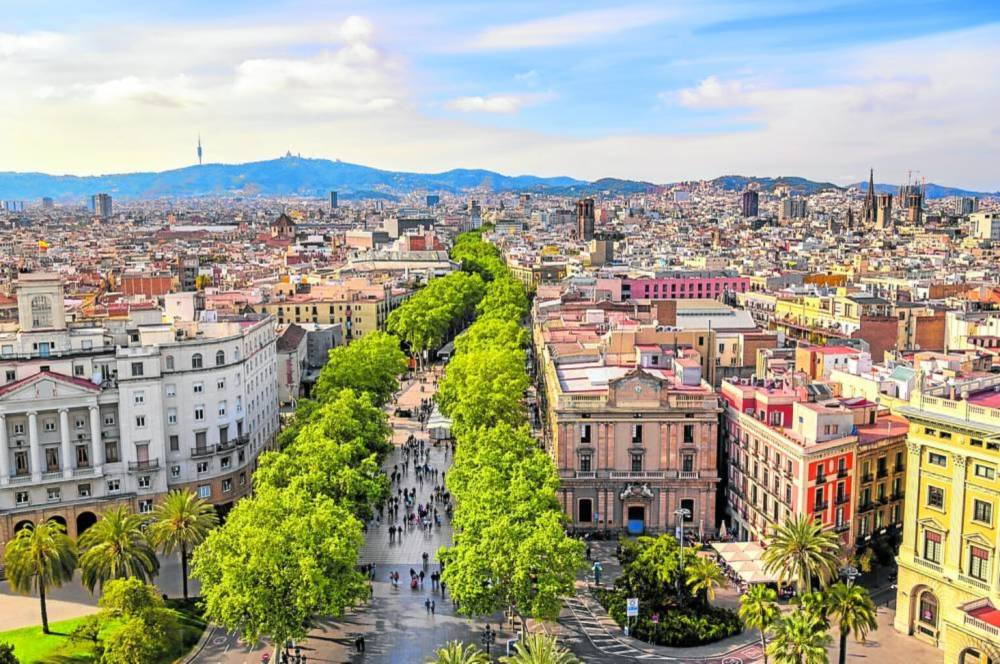
Yet walking remains the most natural form of mobility. It improves health, reduces environmental impact, and encourages social interaction. Streets designed with continuous sidewalks, shaded paths, safe crossings, and active building frontages invite people to walk rather than drive.
A new benchmark
For homebuyers and investors, this matters more than many realize.

The choices people make in selecting where to live eventually shape what developers build. When buyers choose projects that offer accessible services, connected streets, and walkable environments, they quietly set a new benchmark for the market.
A useful test when looking at a property is simple. What can you reach within 10 minutes on foot? If daily needs require driving every time, the development may not yet be designed for long-term convenience.
Economic necessity
In an era of rising fuel costs and growing urban populations, walkability is no longer just a lifestyle preference. It is an economic and environmental necessity.
Ultimately, the most livable communities are not always the largest or most elaborate. Often, they are simply the ones where everyday life happens within walking distance.
The author is a LEED Fellow, ASEAN Architect, and educator with over 25 years of professional practice in architecture and sustainability