








Toiling before the rain


Flooding, storms, and water damage—surely these rainy season disasters are the farthest things on your mind now that we are in the middle of summer.
But if you are familiar with the children’s story “The Ant and the Grasshopper,” you know it pays to be prepared. This story is about a grasshopper who whiles away summer playing and frolicking while being observed by a group of ants carefully preparing for winter. When winter came, the grasshopper had to beg from the ants to survive. He realized too late that he was not prepared for snow and drought.
So if you want to be an ant instead of a grasshopper this rainy season, it’s important that you prepare.
Today, let us learn the essentials in preparing our homes for the worst storms. Here are some practical ways you can gear up and get ready for the rainy days ahead.
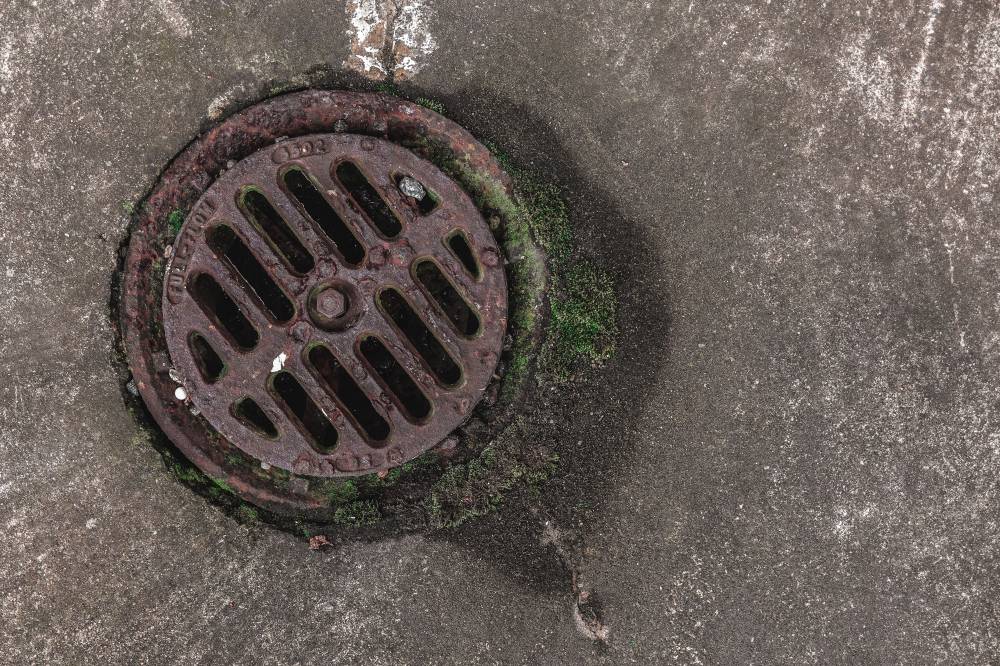
Clean your gutters and drains
No matter where you live, you should know where your stormwater runoff goes. To help prevent flooding on your street or balcony, check drains and clear them of any blockages. Debris such as dry leaves and garbage can keep them from working efficiently.
You can also install screens and drain covers to make cleaning easier in the future.
If you consistently experience flooding, consider adding another drain or widening your existing one. Sometimes, small drains cannot handle the quick rise of water during heavy storms. You should also repair any broken downspouts, roof gutters, and ground trenches.
Secure roofs and shading devices
If a certain balcony or window at home constantly leaks or floods during rains, consider installing an awning roof over it. This redirects rainwater and helps keep your interiors dry.
Make sure the roof extension slopes away from the house walls. Preferably, add a gutter at the end to control the water flow. Door thresholds can also help prevent water from entering your interiors.
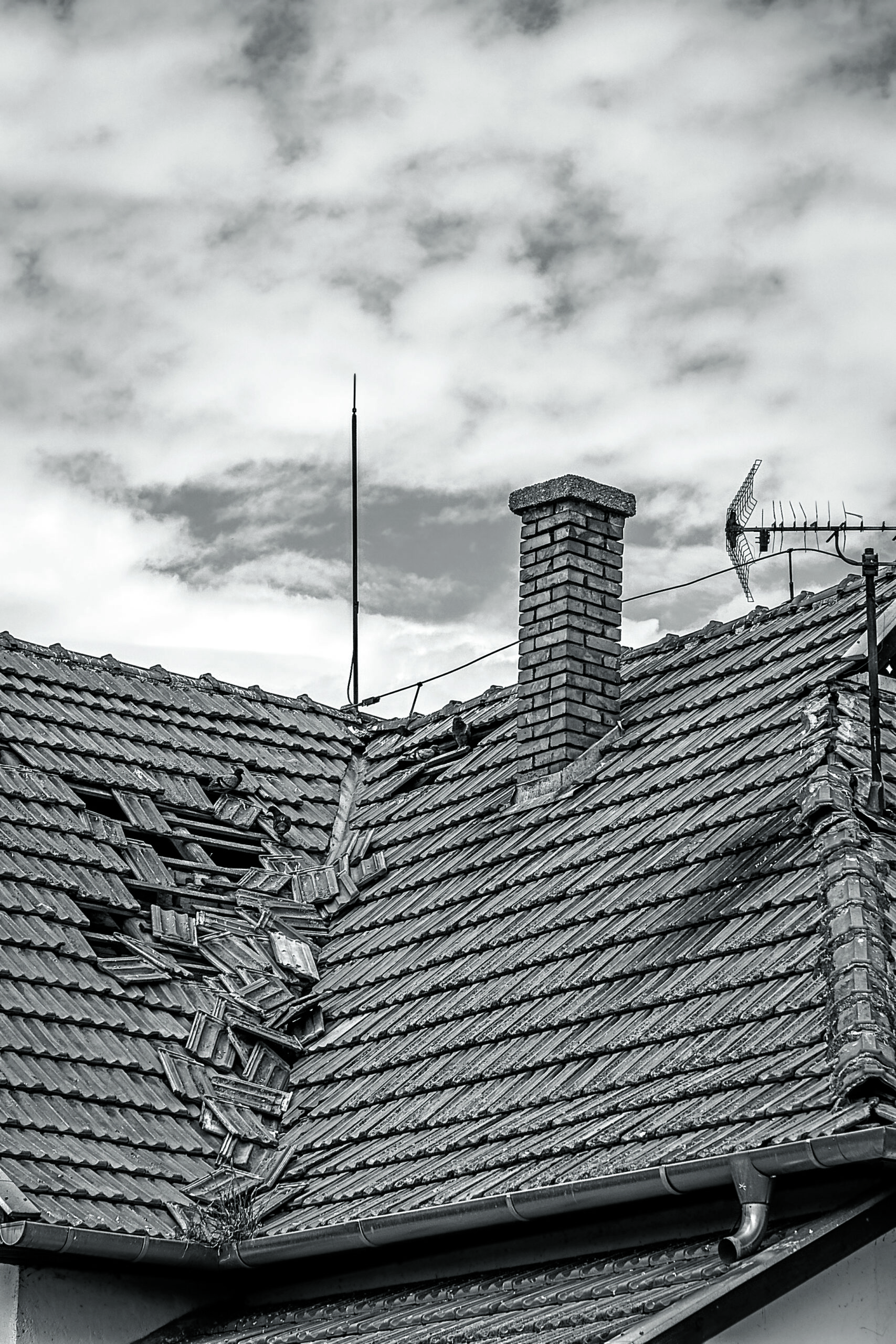
Ensure that your roof is securely in place. Strengthen it by adding more screws or installing underlying flashing for added protection. In some vulnerable areas, homeowners even secure their roofs with wires tied to the ground to help keep them in place during strong winds.
Patch up existing leaks
Check your roof for existing leaks. Even repaired ones can leak again if the patchwork was not done properly.
Run a hose over your roof to check for leaks. If the roof is difficult to access, check your attic or ceiling instead for wet stains or damaged portions.
It is best to repair the roof while the weather is hot and dry. Use a premium rubberized roof patch or cement to cover holes and cracks. If you have tiled or shingle roofing, you may need to lift the affected portion before applying a bead of roof cement.
Adding metal sheet flashing under the damaged area can provide extra protection. Seek the help of a contractor if the work goes beyond your DIY abilities. Remember to observe safety measures if you need to climb onto the roof.

Seal windows and doors
Even if you live in a condominium, you may still experience damage from faulty windows and doors. Seal the edges of your window and door frames to keep rainwater from seeping into your interiors.
If you have large glass window panels at home, consider installing protective film. This can help prevent the glass from cracking or shattering during strong winds.

Trim your trees and plants
Survey your exteriors for potential hazards that could fall onto your home during severe weather. Trim trees and cut heavy branches to avoid accidents during storms. Report damaged utility posts to the appropriate utility providers.
Prepare an emergency kit
Lastly, prepare an emergency kit in case of calamities. Include flashlights, canned or dried food, clothes, medicine, and other essentials. Research and keep handy the contact details of emergency responders.
The weather may still be warm, but it is never too early to prepare for a storm. Be like the ant and get your home ready for the rainy season. When storms hit and waters rise, all your efforts will prove crucial in ensuring your home’s survival.
Photo Sources: Ayush Pandit, Andreas Ebner, Magda Ehlers, and aiseleer via pexels.com