








Villar City helps shape a sustainable future for Metro South

There’s no doubt that Metro South is on the cusp of growth. What remains to be seen, however, is whether the region is prepared to manage that expected expansion effectively.
One answer to that challenge is already beginning to take shape in Villar City. Envisioned as the new center of gravity of Metro South, this 3,500-hectare megacity has been designed as a network of interconnected districts, proactively absorbing growth, easing pressure on surrounding areas, and laying the groundwork for the region’s next stage of development.
Improving connectivity
One of the most immediate challenges of Metro South’s growth is congestion. As population and commercial activity increase, older road networks struggle to keep pace, this slowing movement, raising logistics costs, and reducing overall productivity.
Villar City addresses this upstream. Its integrated road network, anchored by direct connections to Daang Hari Road and the Muntinlupa–Cavite Expressway (MCX), was put in place early. Major thoroughfares such as Villar Avenue, supported by secondary roads, provide alternative routes and new circulation patterns across the region.
The effect extends beyond the development itself. By offering additional access points and dispersing traffic, Villar City helps reduce strain on existing corridors, making movement across southern Metro Manila and Cavite more efficient as growth continues.
Creating new centers of economic gravity
Metro South has long functioned as a residential extension of Metro Manila, with employment and commercial activity heavily concentrated elsewhere.
Villar City is now helping decentralize that dynamic growth.
Instead of a single central business district, the city is organized into multiple districts that are being developed simultaneously, each with its own distinct character and strengths.
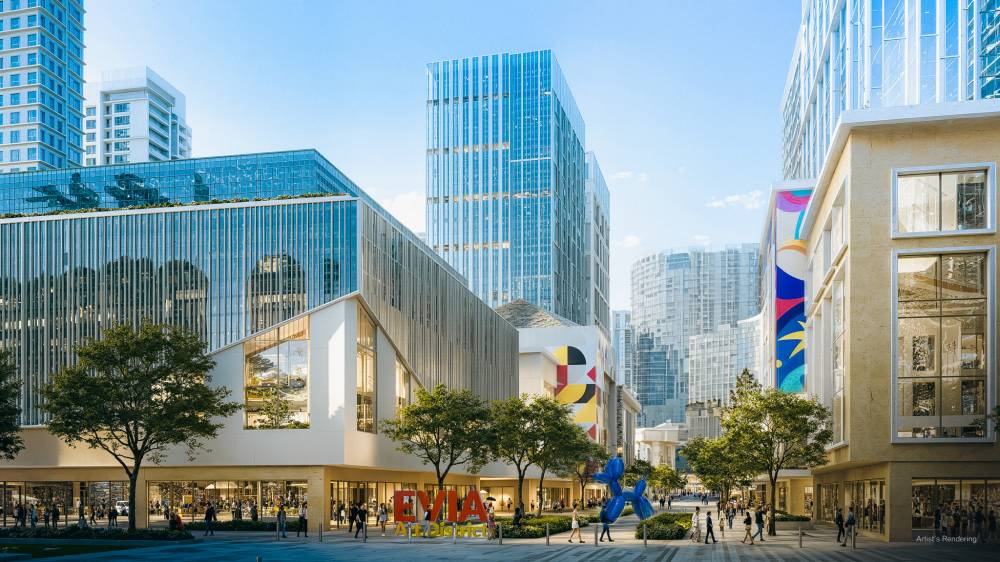
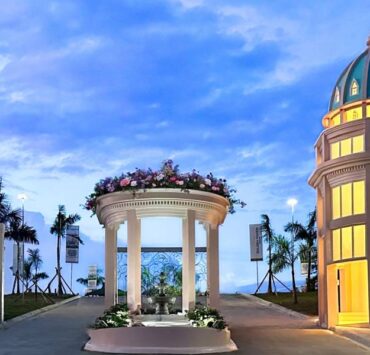
Evia, for example, strengthens the area’s cultural and lifestyle economy, driving foot traffic, tourism, and service-sector activity. Emporia, with its focus on commerce and trade, provides conducive spaces for enterprises that also get to benefit from regional connectivity without the high costs of traditional urban cores.
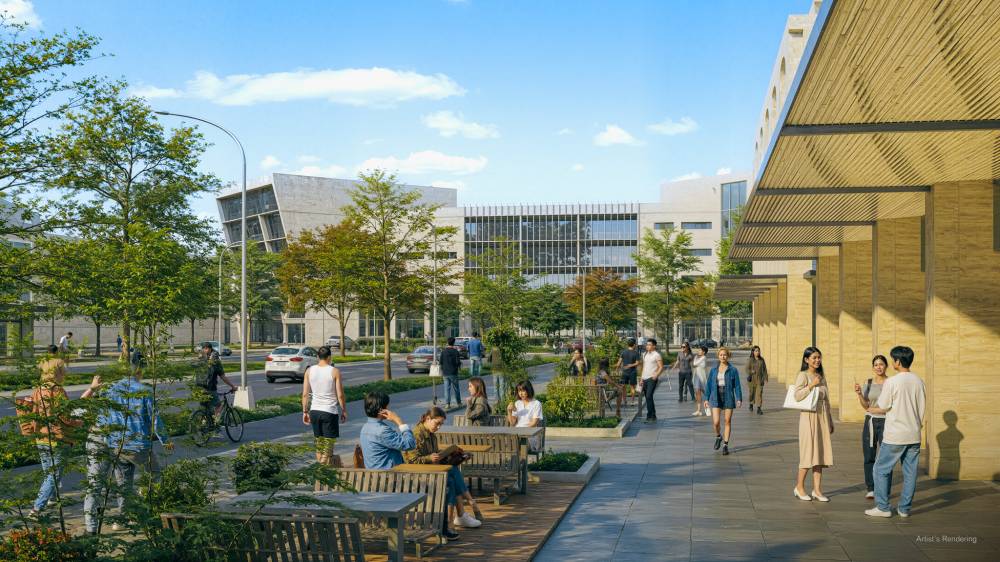
University Town adds a longer term economic layer. Anchored by the University of the Philippines Dasmariñas Campus, it attracts students, researchers, and professionals, thus laying groundwork for innovation-led industries and a more skilled regional workforce.
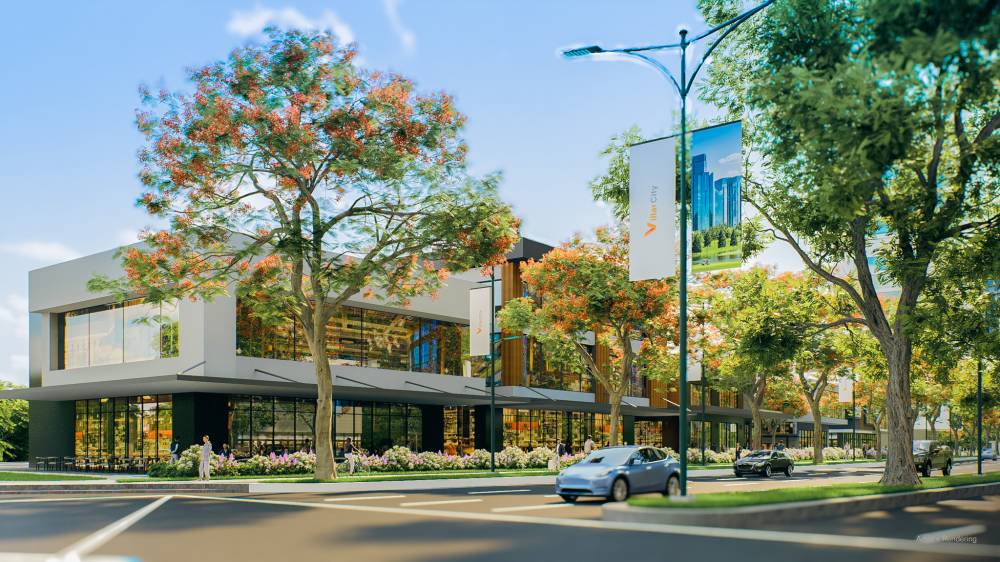
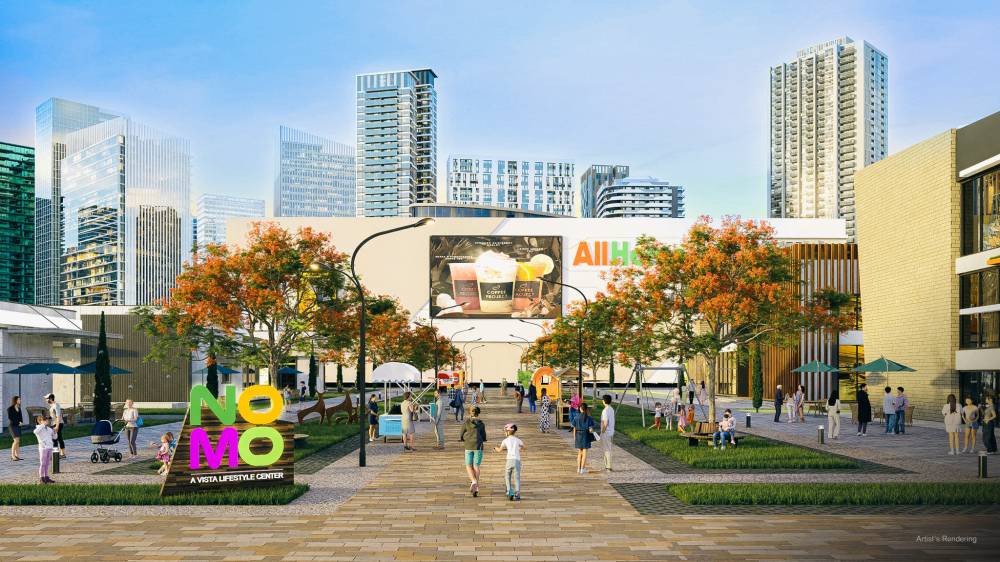
NOMO, as a commercial garden district, meanwhile supports a growing preference for mixed-use, lower-density environments that appeal to both businesses and residents seeking balance between work and quality of life.
Collectively, these districts help generate quality jobs as well as provide services and opportunities closer to where people live. It ensures ease of access and reduces commute dependency, all while strengthening Metro South’s internal economy.
Building the social and civic backbone early
Regional readiness is not only about roads and offices. It also depends on whether places can support community life at scale.
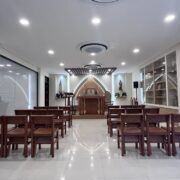
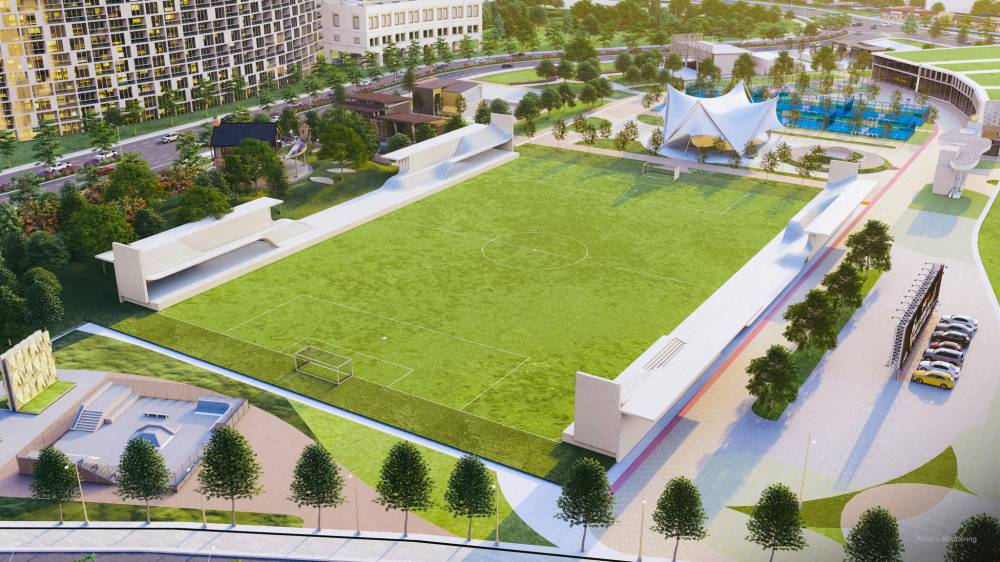
Villar City introduces civic, cultural, and recreational spaces early in its development cycle through parks, lifestyle destinations, event venues, and public gathering areas that allow communities to form before density peaks. These spaces encourage repeat visits, local spending, and long-term attachment to places.
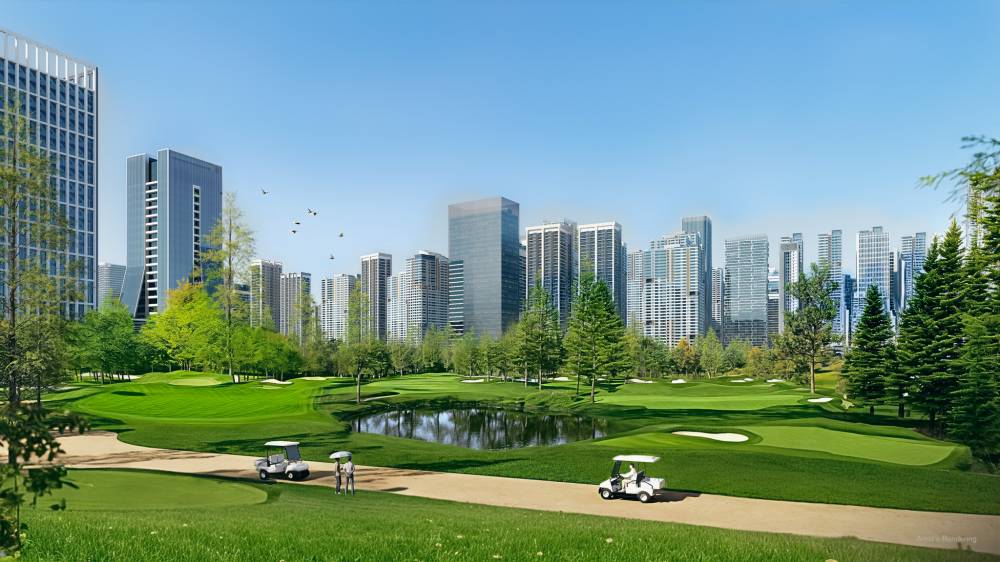
Planned features within Villar City include a golf course, convention and events spaces, pocket gardens, and large public parks. Among its most significant upcoming projects is The Stadium at Villar City, a 30,000-sqm facility designed to host sports training, competitions, and major community events.
Preparing for growth
By investing early in connectivity, diversifying economic districts, and establishing civic infrastructure ahead of demand, Villar City helps ensure that any upcoming expansion will not overwhelm the region’s capacity to function.
Indeed, Villar City stands as a model for how large-scale developments can create the right opportunities, absorb and stabilize expansion, and give Metro South that conducive space to grow in a more resilient and sustainable way.
About Villar City
Villar City is a 3,500-hectare masterplanned megacity in Metro South, integrating communities, business districts, lifestyle centers, and green spaces into one connected urban destination. It is the flagship development of Villar Land, together with Globale and Lakefront.