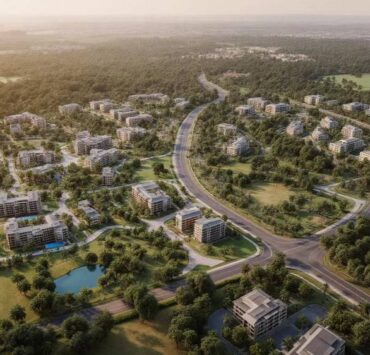







Villar City primes Metro South for sustained growth

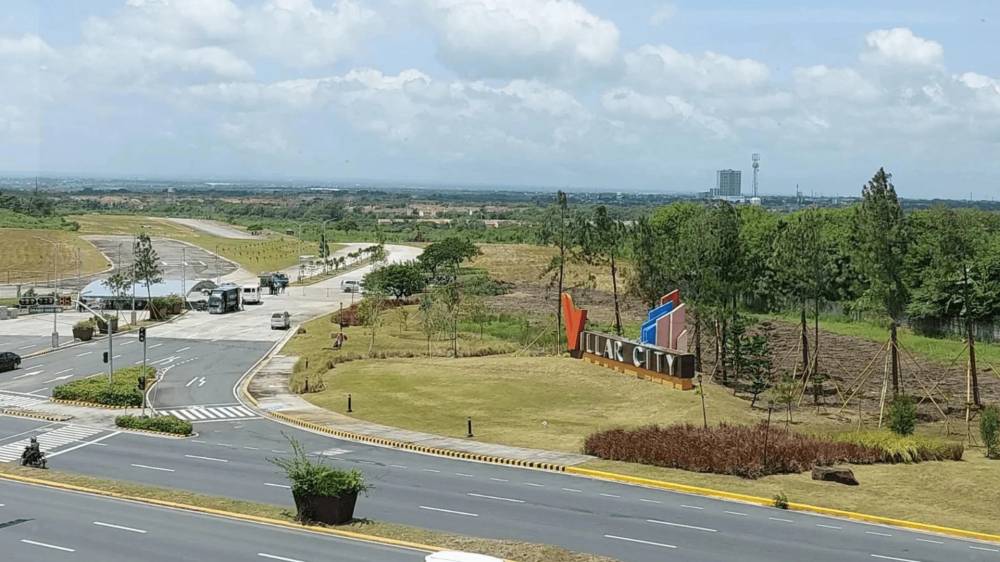
Urban expansions, when done right, can unlock significant gains and growth.New buildings rise, roads widen, while investments and people follow.
Yet growth is only sustainable when expansion is guided by adequate planning and preparations. Without these, development becomes inefficient, costly, and ultimately self-limiting. Eventually, unchecked expansions will undermine overall productivity and livability.
Against this backdrop, the 3,500-hectare Villar City leads with foresight, enabling Metro South to make the most out of the growth as it arrives. It has been laying the groundwork— from infrastructure, mobility corridors and utilities to civic, residential and commercial anchors—to allow succeeding expansions to translate into real value.
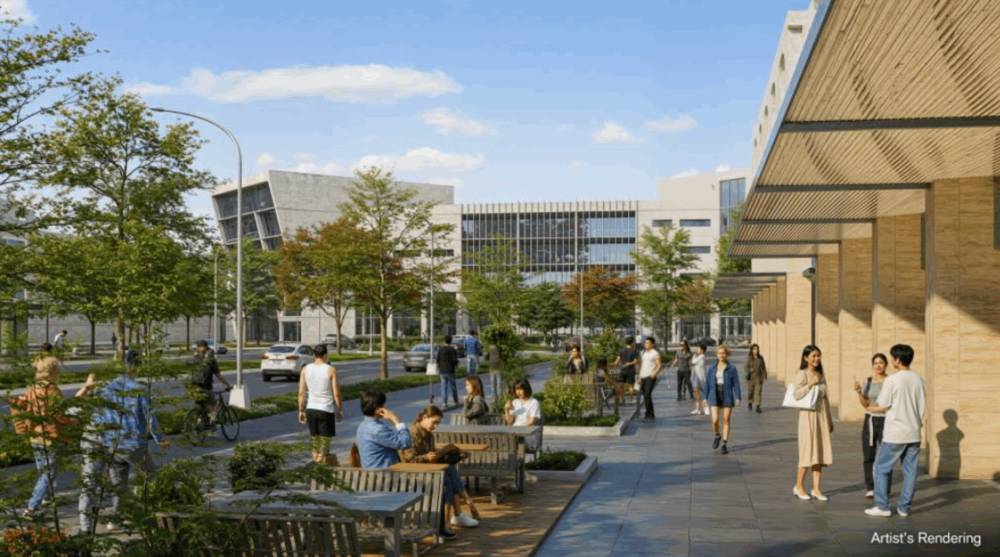
Building the framework
In priming Metro South, Villar City starts with connectivity.
The so-called “new center of gravity” of Metro South has an integrated road network that links directly to key corridors such as Daang Hari Road and the Muntinlupa–Cavite Expressway. Rather than waiting for congestion to dictate infrastructure, Villar City puts access in place early.
Early investments to build major road arteries such as Villar Avenue and secondary connectors have begun reshaping movement across the southern edge of Metro Manila and Cavite. This enables the area to evolve beyond a bedroom community and into a self-sustaining economic corridor.
For investors and businesses, dependable access reduces risk, improves efficiencies, and expands the range of viable locations in Metro South.
Decentralizing growth
Equally important is how growth is and will be distributed.
Villar City rises to become an integrated megacity, where growth unfolds not only from a single center, but rather through several districts developing simultaneously, reflecting the masterplan’s intent to build an expansive, interconnected city from day one.
By having a number of districts, each with its own defined economic, social, cultural and commercial role, Villar City ensures that Metro South becomes a more resilient economic corridor, able to sustain growth through different market cycles.
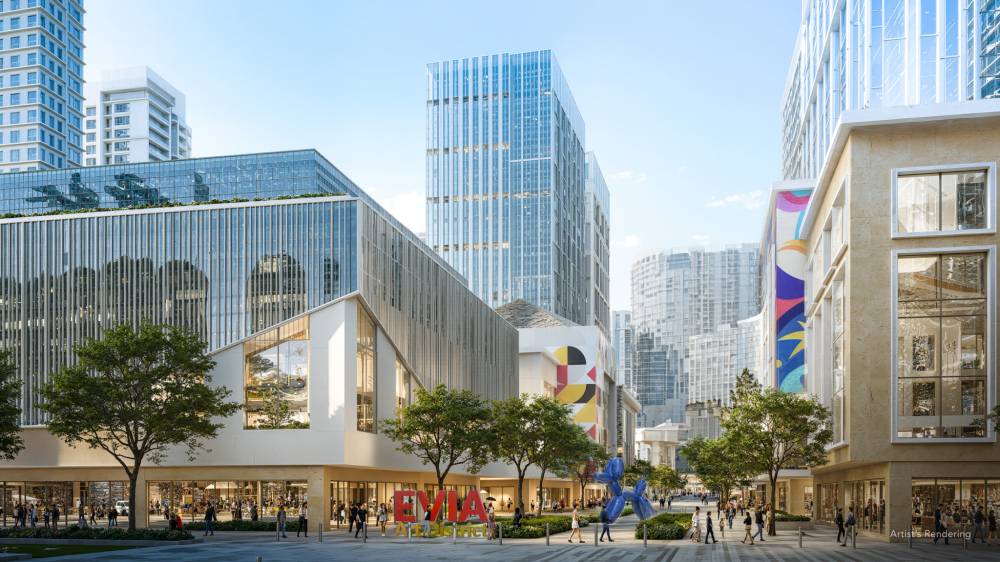
One of these districts is Evia, the megacity’s arts and creative center. Spread across 65 ha, the district’s retail, entertainment, and landscaped environments give Evia a distinct civic energy that complements the city’s commercial zones.
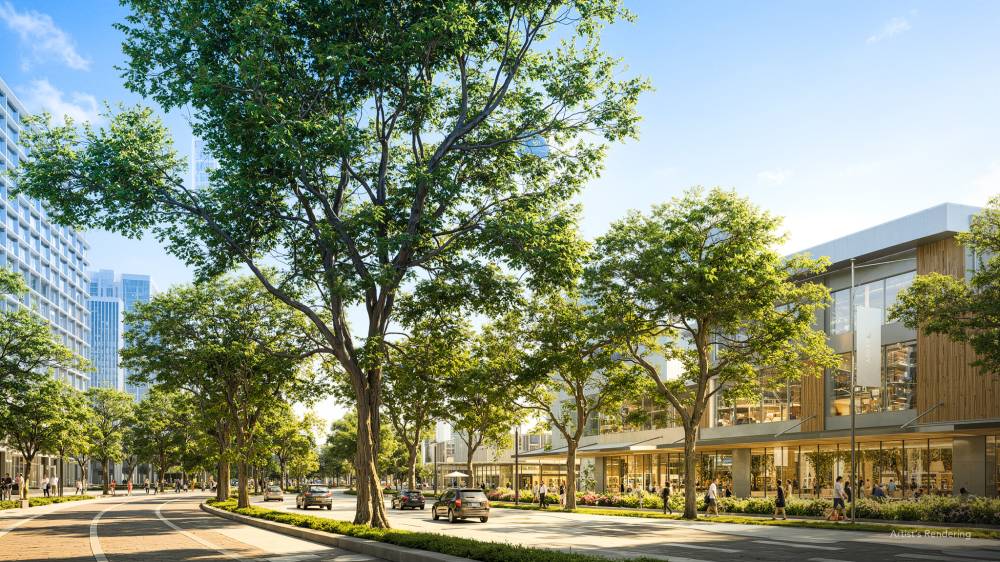
The nearby 100-ha Emporia district, meanwhile, stands as Villar City’s international trade and commercial hub, bringing together business, culture, and community through walkable streets, modern retail concepts, and flexible commercial spaces anchored by SOMO and The Crescent.
Further south is the 150-ha University Town, which has been gaining momentum as a center for education and innovation. It has the University of the Philippines Dasmariñas Campus at its core, drawing students, educators, and professionals into a community designed for learning.
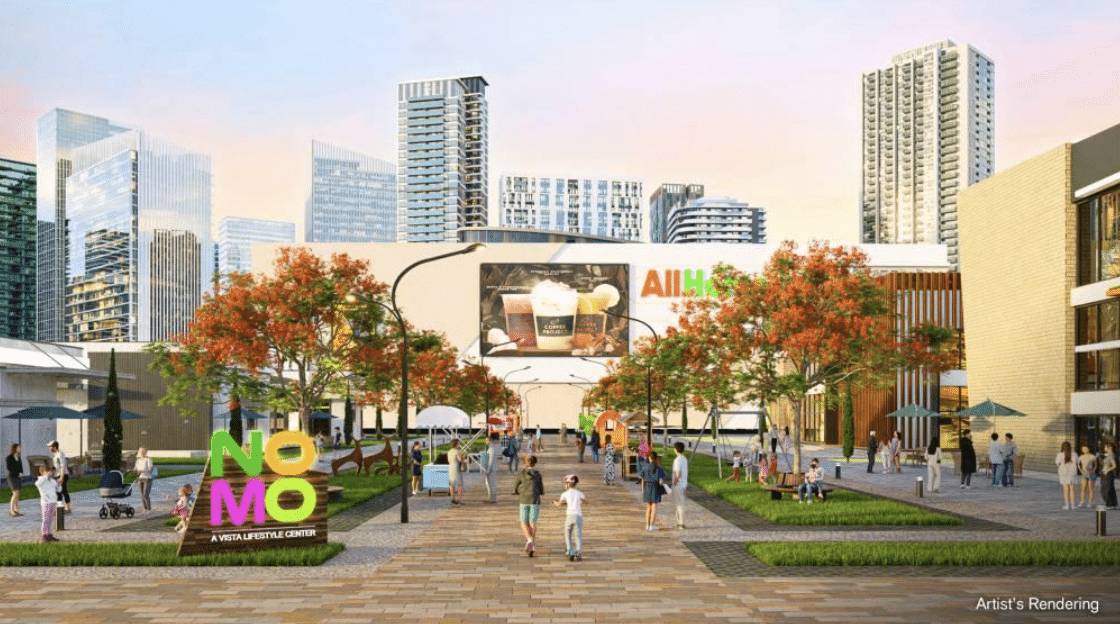
Complementing these zones is NOMO, a commercial garden district where shops, offices, and homes sit against a backdrop of landscaped streets and green pockets. It offers a calm, livable environment that balances the megacity’s busier business hubs.
Establishing identity
Identity is another system being built early.

By putting cultural and public spaces in place before the area is fully built out, the place has time to develop a character of its own.
And this matters for businesses. Places people recognize and connect with can attract activity sooner, help businesses grow faster, and keep people coming back even when markets change.
In this sense, identity becomes part of the area’s economic foundation.
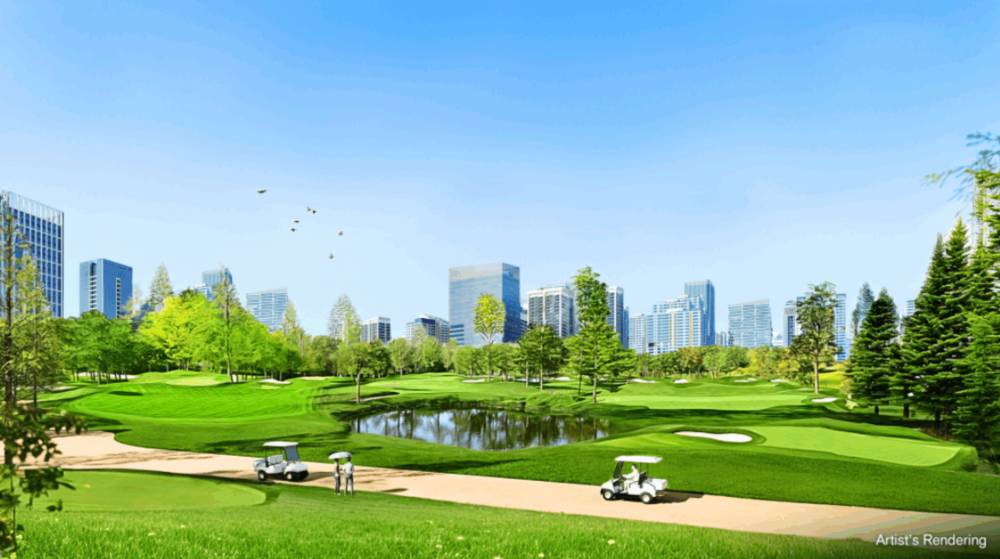
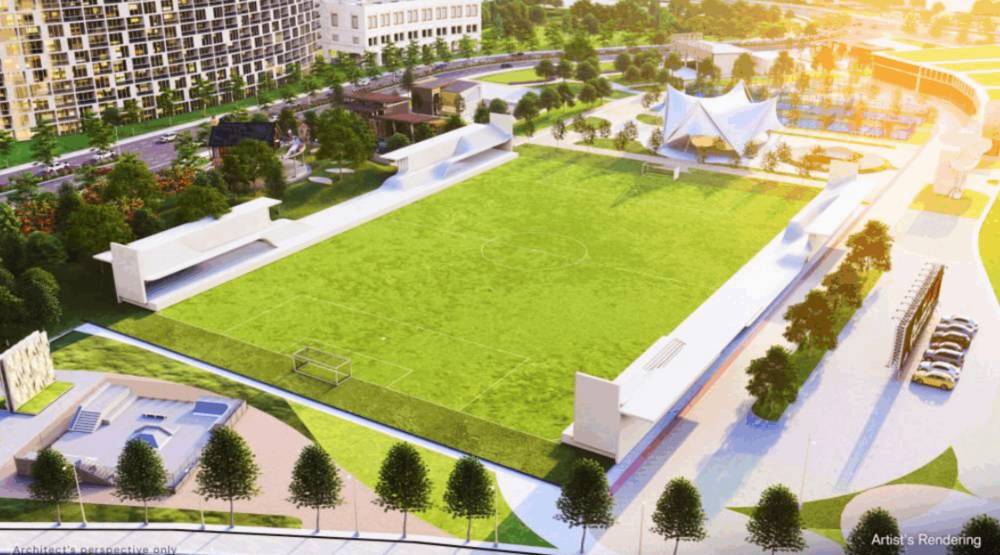
Besides residential developments, commercial centers and offices, Villar City will also host golf courses, arenas and convention centers, fashion halls, as well as lush parks and pocket gardens. It will also soon be home to The Stadium at Villar City, a state-of-the-art 30,000-sqm sports facility with courts, training zones, and a football arena that can seat up to 3,000 spectators.
Priming Metro South
Villar City is indeed investing ahead of the cycle to prime Metro South.
It does the hard work early, putting in all the right systems in place for movement, identity, business, talent, and everyday life before growth accelerates.
Beyond redefining Metro South, Villar City instead prepares it so that the next phase of growth is not just bigger, but more importantly, stronger, more sustainable, and more inclusive.