









What are we really building?


The Philippine real estate market is going through a correction.
Inventory is piling up. Reservation rates are softening. The usual explanations are already circulating—oversupply, high interest rates, and buyers sitting on the fence. All of that is real.
But beneath all of it is a question the industry has been slower to ask: Are we building what Filipino families actually want? The answer goes beyond the unit or the price point to encompass the entire product—the neighborhood, the street, and the sense of belonging that makes someone say, “This is home,” and not just, “This is where I live.”
Chasing trends
We have spent years watching the market chase trends—bigger amenity decks, lifestyle branding, a resort-style pool, the co-working lounge, the Instagram-worthy entrance gate.
And none of that is wrong because at first glance, people notice these things. They matter at the point of sale. But here is what we have learned: a beautiful clubhouse that nobody uses is just expensive maintenance.
What makes an amenity real is the community that fills it. And community does not come standard with the unit. It has to be built. Intentionally.
Planning at Ovialand
When we plan a development at Ovialand, the conversation does not end at the blueprint. We ask: who is going to live here? What do they need from their neighbors, not just from their homes? What does a good Sunday afternoon look like in this community five years from now?
These are not marketing questions. They are design questions. They shape how we think about common spaces, about events, about what we do after the keys are turned over because that is when the real work begins.
In Savana South, one of our communities in Laguna, there is a home where the children of the entire street gather every afternoon. Nobody planned it. No amenity budget funded it.
But it did not happen by accident either—it happened because enough families moved in with a shared sense of what kind of neighborhood they wanted to be part of, and because we had spent years trying to give them reasons to know each other.
Meaningful community festivities
We held basketball clinics where kids learned not just how to play, but also how to lose well and win graciously.
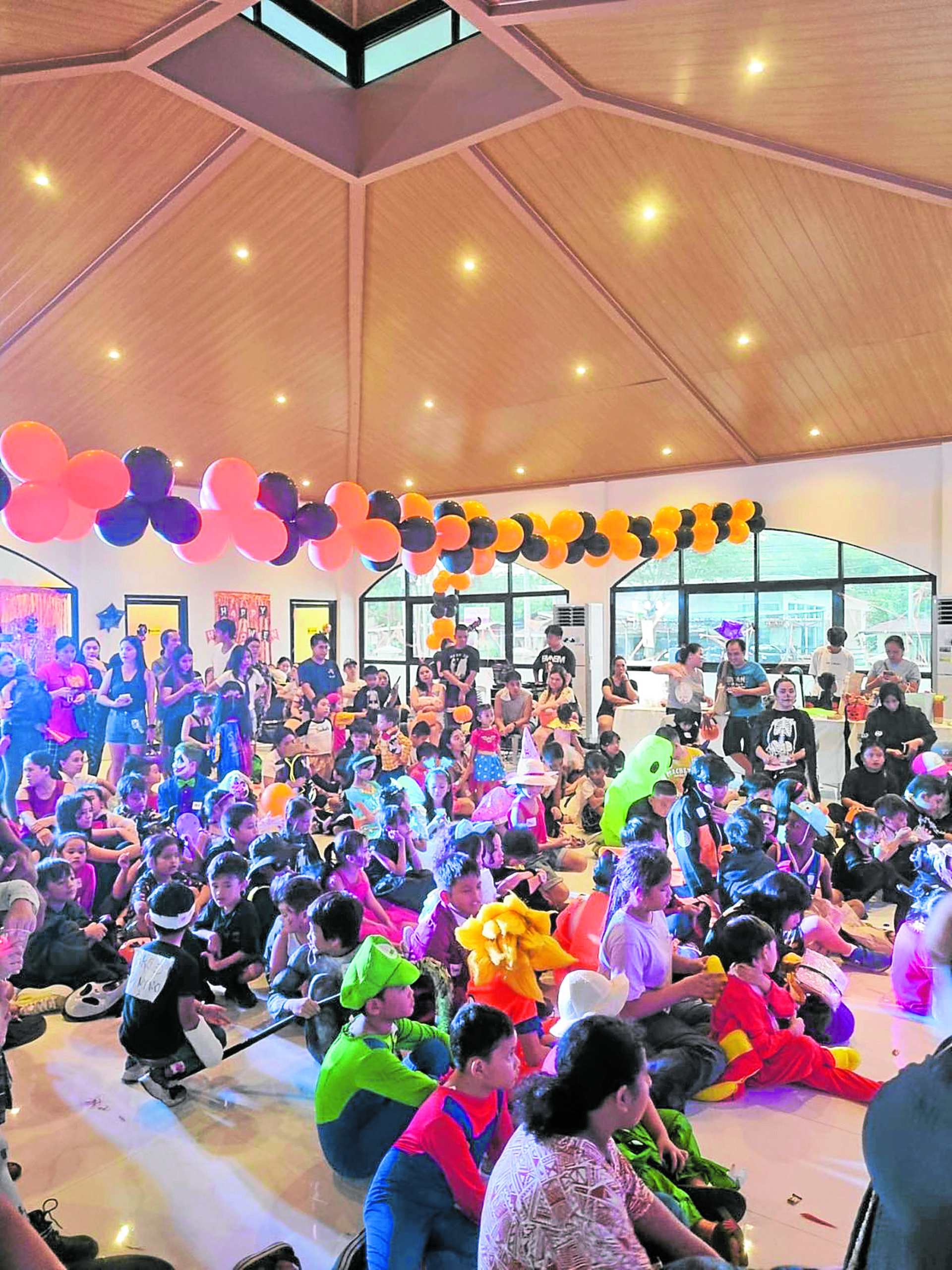
We organized Halloween trick-or-treating, which may sound small until you realize that many of our homebuyers did not grow up in subdivisions where neighbors opened their doors to one another. That first Halloween is not about the candy. It is about learning that the people on your street are safe, that your children can knock on their doors, and that you chose a good place to call home.
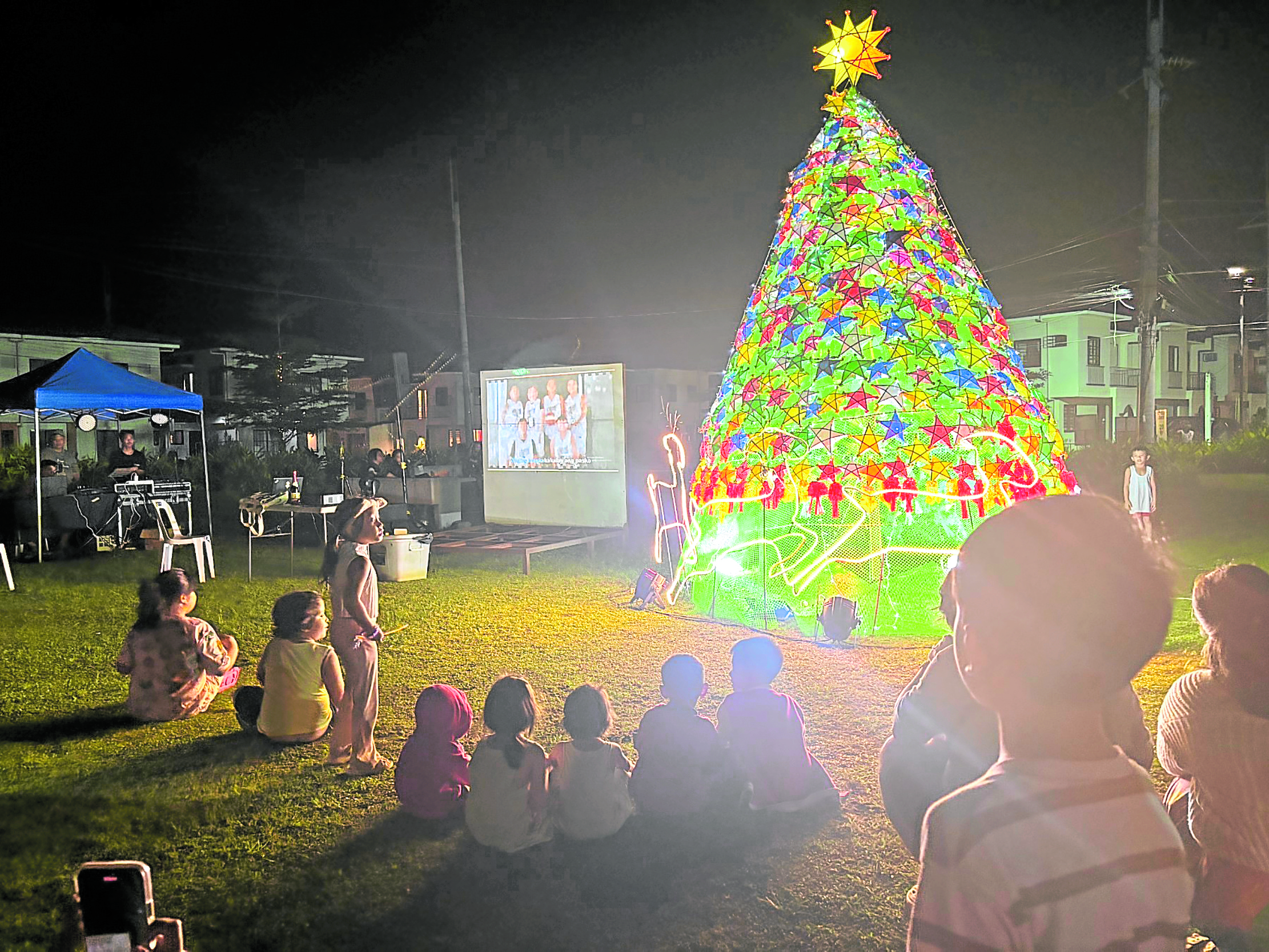
And then there is the Christmas tree lighting. From the outside, it looks like a giant Christmas tree being plugged in—a stage, some lights, maybe a few carols, basically a nice community event.
But for many of the families standing in that crowd, it is something else entirely. For some, this is their first Christmas in a home they actually own after years, sometimes even decades, of renting—after a childhood and an adult life lived with the quiet fear that a landlord could ask them to leave, and after years of telling themselves, “Maybe someday, maybe when the kids are older, maybe when we have saved enough.”

The tree is not the point. The point is that they are standing on ground that is theirs, and that the hope they carried for so long is no longer just a hope.
We also show up for the less festive things—anti-rabies drives, voters’ registration, and my favorite, tree planting (which can be a hot and tiring), because community is not only about celebrations. It is also includes the unglamorous, ongoing work of people choosing to look out for each other, and for the future.
Feeling safe and seen
This is what we mean when we say we are not just building houses.
The structure is the beginning of the obligation, not the end of it. The real measure is not how many units we turned over. It is whether the families who live in those units feel safe, feel seen, feel like they are exactly where they were meant to be.
The market will recover. It always does. But when it does, the developers who will matter are the ones who spent this period asking better questions, not just what can we sell, but what are we actually building?
The author is the president and CEO of Ovialand Inc.