









Why inclusion belongs in sustainable design

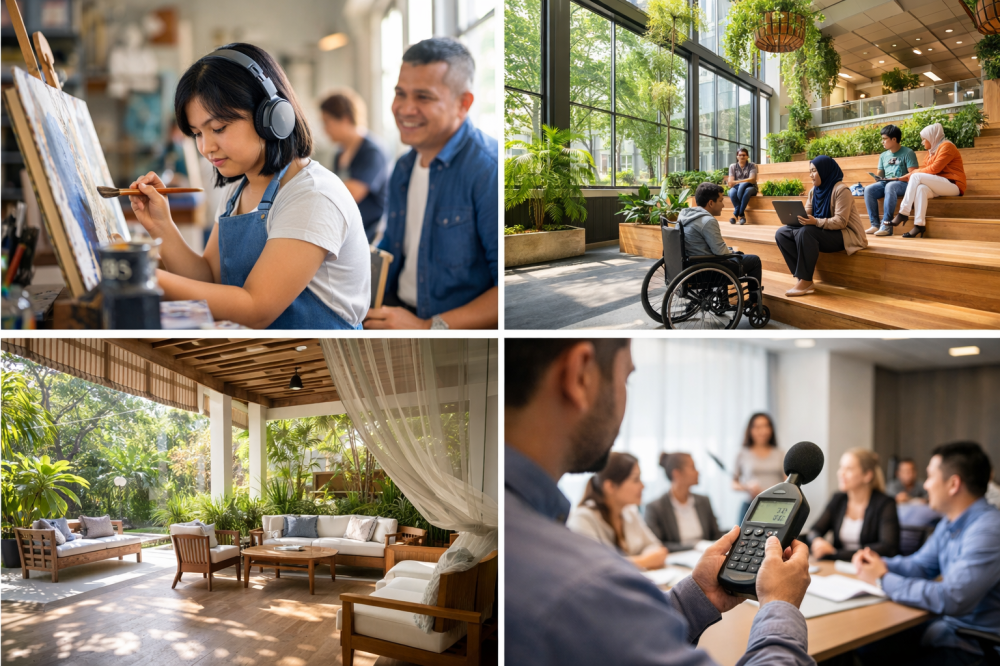
Sustainability is often discussed in terms of metrics–energy saved, water conserved, and carbon reduced.
These are essential. But sustainable design, at its core, must also be inclusive. It must recognize that people experience space differently, and that equity, dignity, and care are fundamental design responsibilities.
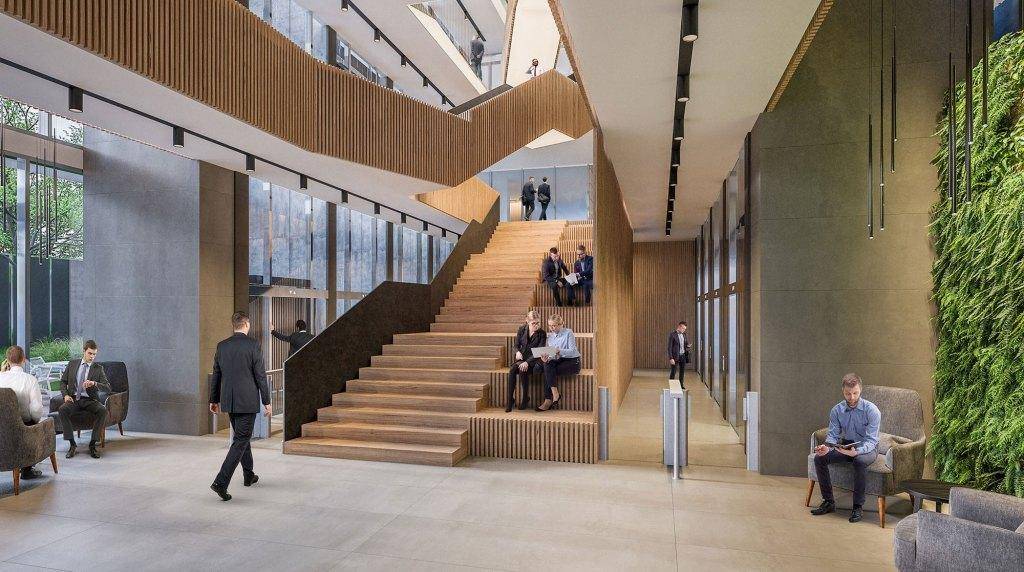
This realization became personal to me as a parent of a child on the autism spectrum.
Erin has taught me humility–the understanding that what feels ordinary or comfortable to many can be overwhelming, disorienting, or even painful to others. Sound, light, crowding, and spatial transitions, often treated as secondary concerns, can become real barriers in daily life.
Safe, affirming creative spaces
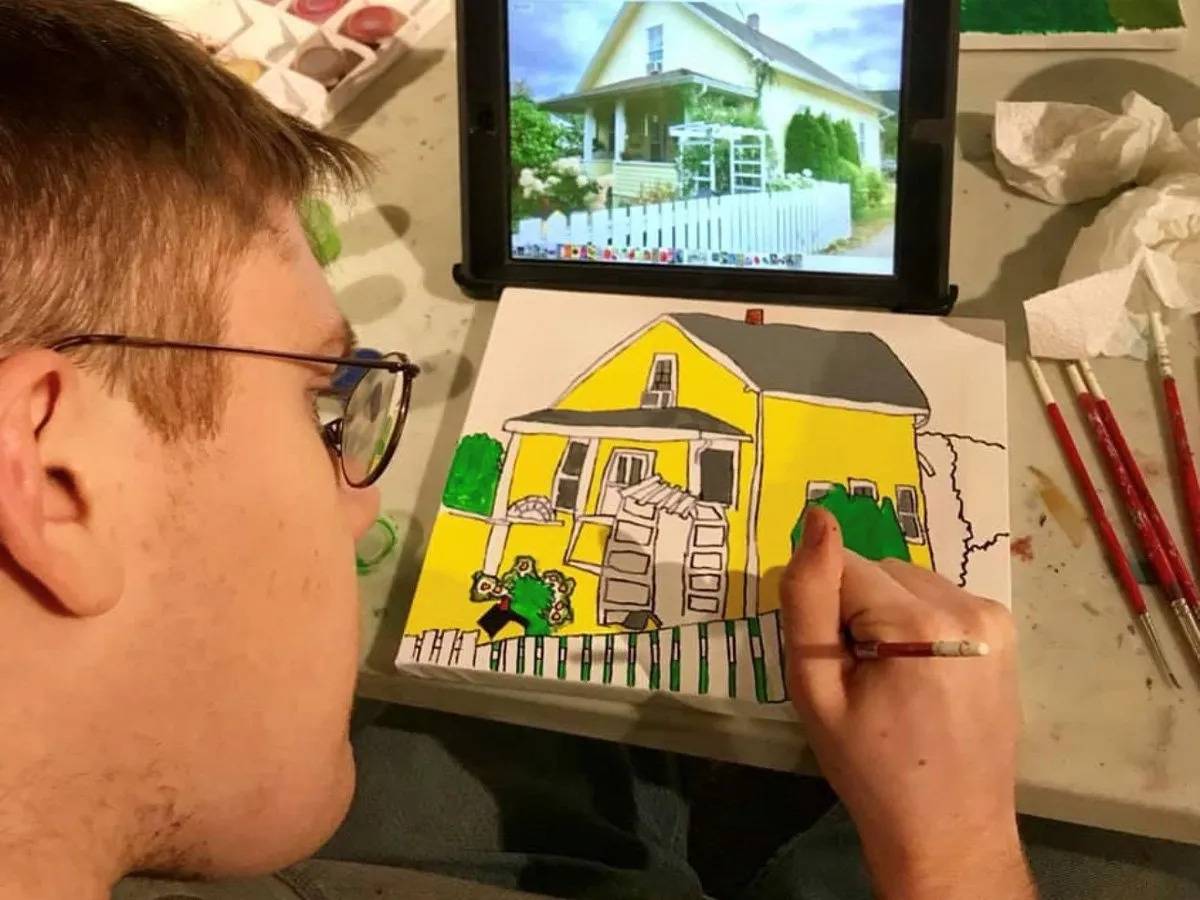
Erin is one of the trainees at The Misfits Camp, an initiative that nurtures neurodivergent artists through safe and affirming creative spaces.
As an artist, she was recognized internationally after winning an award at the Paralym Art World Cup 2023 in Tokyo, Japan. Witnessing how environments either support or hinder her ability to focus, express herself, and feel safe reshaped my understanding of inclusion, not as an afterthought but as an intentional design mindset, grounded in lived experience.
Safe Sound
This perspective aligns with Safe Sound, a collaborative initiative of The Project Inclusion Network, The Misfits Camp, and Sound Design Manila.
Safe Sound promotes sound-aware environments that support neurodiverse users by treating acoustics not merely as a technical requirement, but as a human experience affecting dignity, participation, and well-being. While designed with neurodivergent individuals in mind, its benefits extend to everyone navigating increasingly noisy spaces.
This way of understanding space is deeply rooted in Filipino culture.
We have long used the word maaliwalas to describe environments that feel right–calm, breathable, and humane. Yet maaliwalas is challenging to define. It cannot be reduced to a checklist; it must be experienced, felt through comfort, ease, and a sense of safety.

Health, wellness and sustainability
This sensibility is reflected in Aliwalas, the health and wellness rating system developed by the Philippine Green Building Initiative.
Aliwalas translates the intuitive Filipino understanding of comfort into a framework that considers light, air, acoustics, thermal comfort, safety, and resilience as interconnected aspects of well-being. It recognizes that wellness is not universal and must be designed with empathy.
Globally, frameworks such as LEED, the Living Building Challenge, Fitwel, and WELL are increasingly placing health, equity, and occupant experience at the heart of sustainability. In the Philippines, the continued evolution of Aliwalas offers an opportunity to ground global principles in local culture and lived realities.

True sustainability is not only about protecting the future. It is about caring for people now, especially those whose needs remind us to listen better, design more thoughtfully, and lead with compassion.
The author is a USGBC LEED fellow, UAP Notable Architect Awardee, Asean architect, educator, with more than 25 years of experience in architectural and interior design, corporate real estate, construction, property, and facilities management