










Why interior design is an investment in your lifestyle


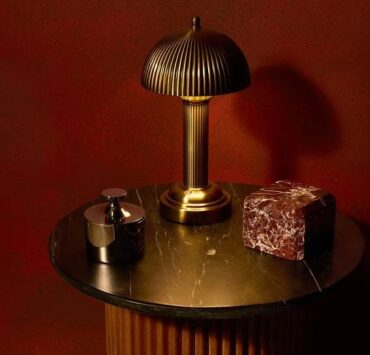
An interior designer is known to create beautiful spaces.
The profession requires four years of intensive design and art subjects, including detail drawing, specifications, construction, graphics, furniture history, and other interior architecture topics. This is followed by two years of on-the-job training with a chosen design firm and, finally, a board exam.
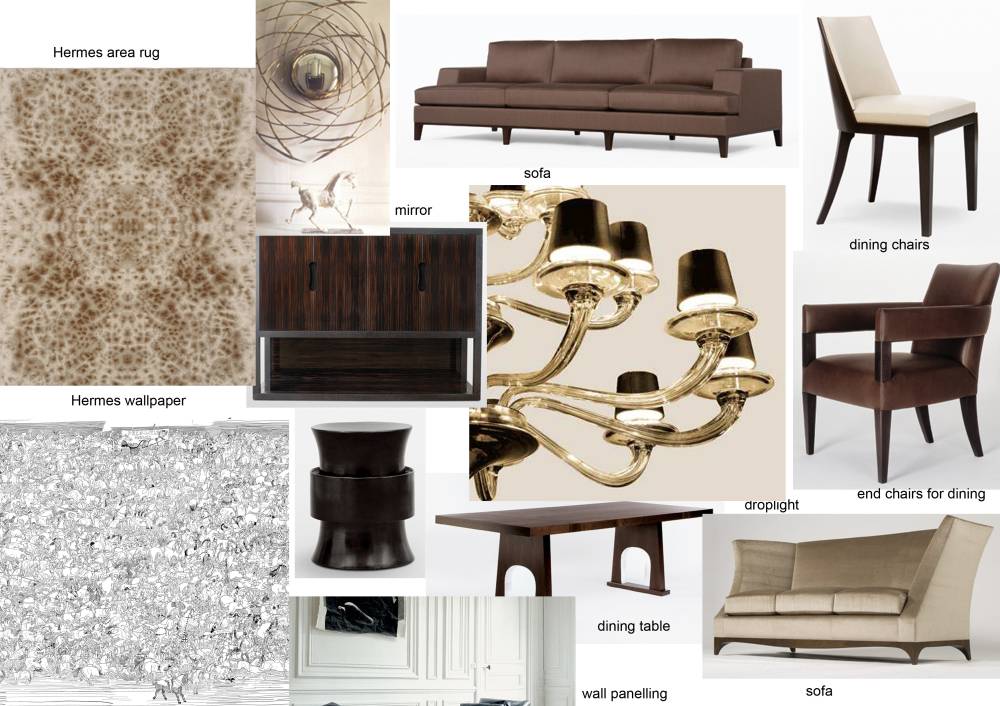
Essentially, an interior designer puts together all the elements of a great space, good lighting, color matching, specifying low maintenance yet high quality construction finishes, and furniture while holding together all of the client’s wishes in a space.
Interior designers offer a visual perception of a harmonious space using color, shapes and proportions. They can make the client’s life easier and less stressful.
Help clients save money
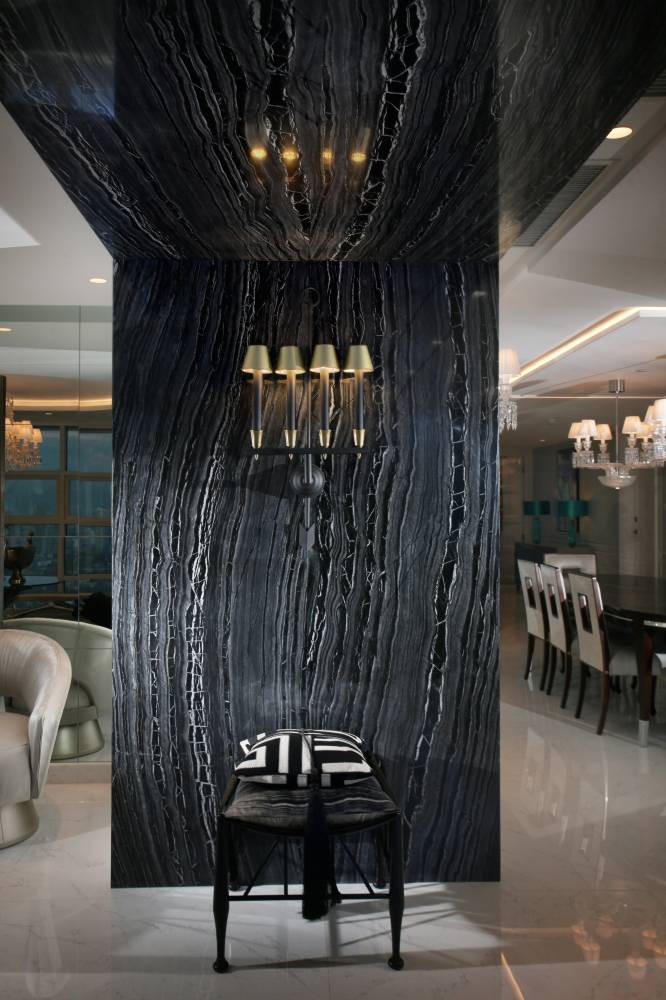
Contrary to popular belief, interior designers can help clients save money by preventing errors and wrong purchases. They can guide you in making the right decisions on furniture, construction, and project timelines.
Instead of ending up with too many living room pieces and a poor layout, a designer can eliminate unnecessary items and focus on what truly matters. As a result, you get better pieces with less clutter. Interior designers also help clients stay within budget.
Secret sources
Interior designers have special access to secret sales, hidden shops and boutiques, trade-only items, and customized pieces not available to the public. They can add many unique pieces to your home.
Visualize
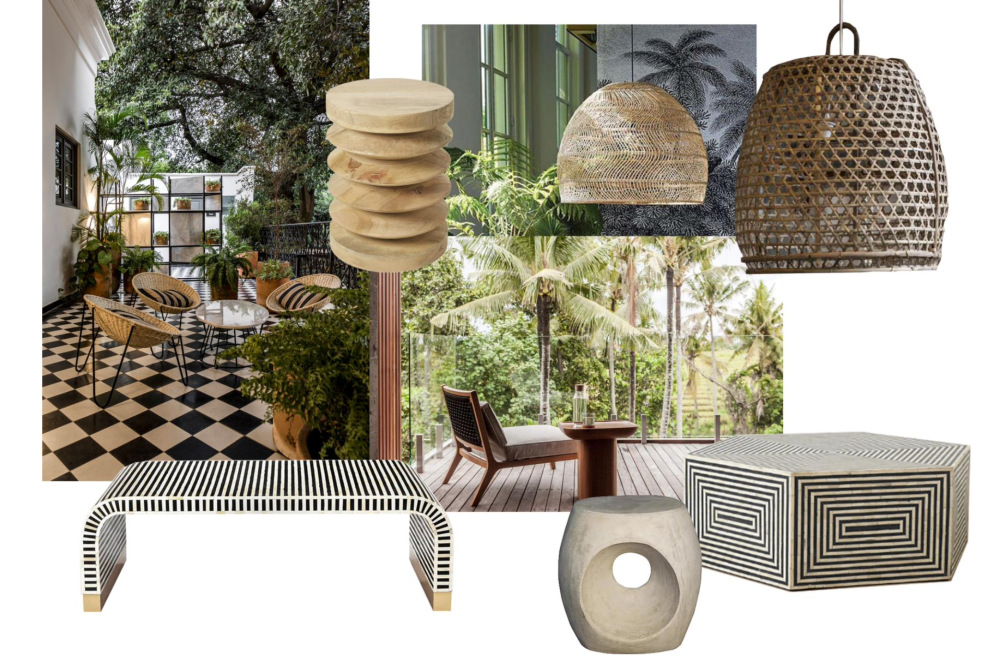
An interior designer can help clients visualize spaces through perspective drawings before committing to purchases. Actual measurements can be taken on-site to show space requirements.
Save time
Interior designers can guide the client in making good choices, therefore saving everyone a lot of time and extra effort. This makes the project more efficient and less costly.
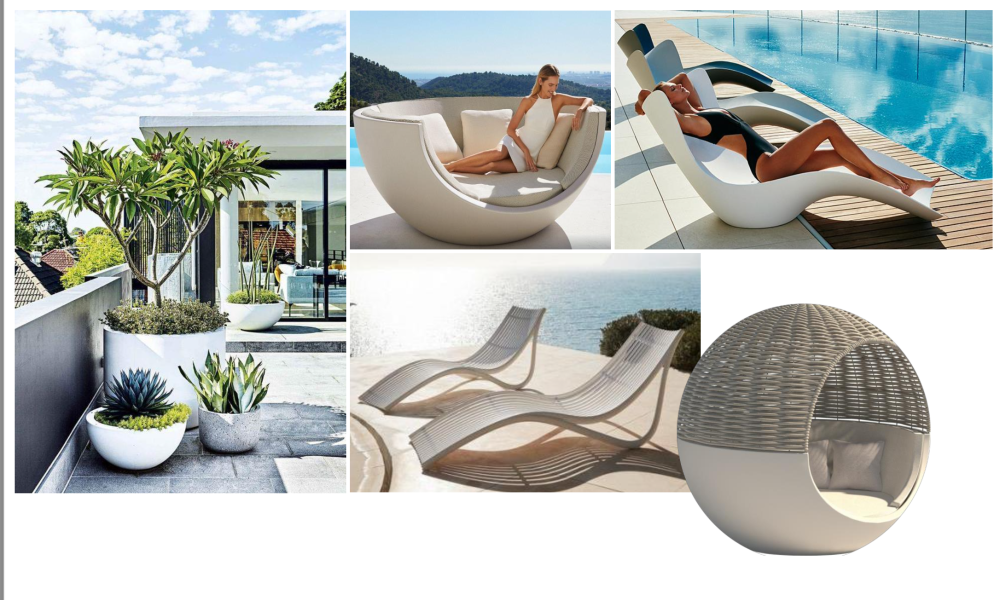
Function, efficiency and lifestyle integration
Interior designers are trained to design for function first, then form. Practicality comes before beauty.
For me, I like marrying both and giving them equal standing. Designers are trained to put together the client’s needs and wants while incorporating their own take and studies.
For example, wellness is a big focus in the design industry. As an interior designer, I take great lengths to incorporate this into my designs, whether for residential or commercial spaces.
Home value
The work of an interior designer can increase the value of your home.

Stress reliever
An interior designer can help manage orders, procurement lists, deliveries, and arrangements. Coordination is part of the job. Interior designers directly deal with contractors, suppliers, and other consultants on hand, removing much of the stress from the client’s hands.
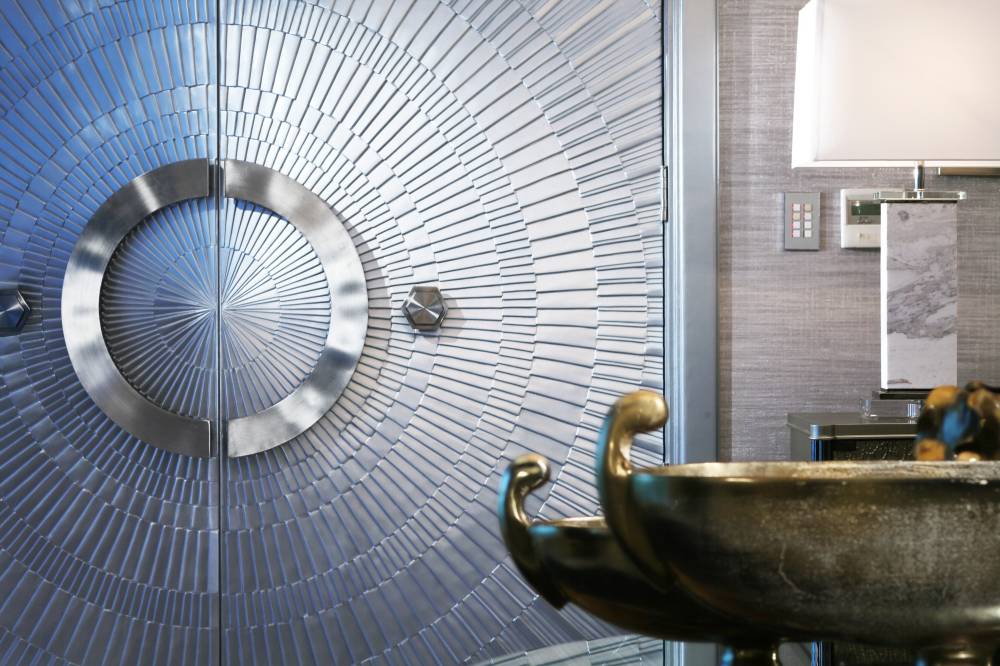
Expertise
Interior designers have the expertise to bring in beauty, function, and a well-planned walk-in closet!
There are forms that interior designers ask clients to fill out—from the number of clothing items they own, to how often they shop for certain pieces, to the space allowance available for their closets.
Other items to be considered for walk-in closets include safes, drawers, underwear storage, and the speed at which one gets prepared each day. Time-and-motion studies may be conducted to make closets more efficient for daily routines. This is especially useful for clients who have a large collection of clothing items.
The author is the founder of Chat Fores Design Studio, an award-winning and recognized interior designer known for redefining and elevating spaces. She specializes in residential, hospitality and amenity spaces for different real estate companies.
Chat has also collaborated with international design firms to create residential interiors in Manila