







Why luxury lives in Cebu

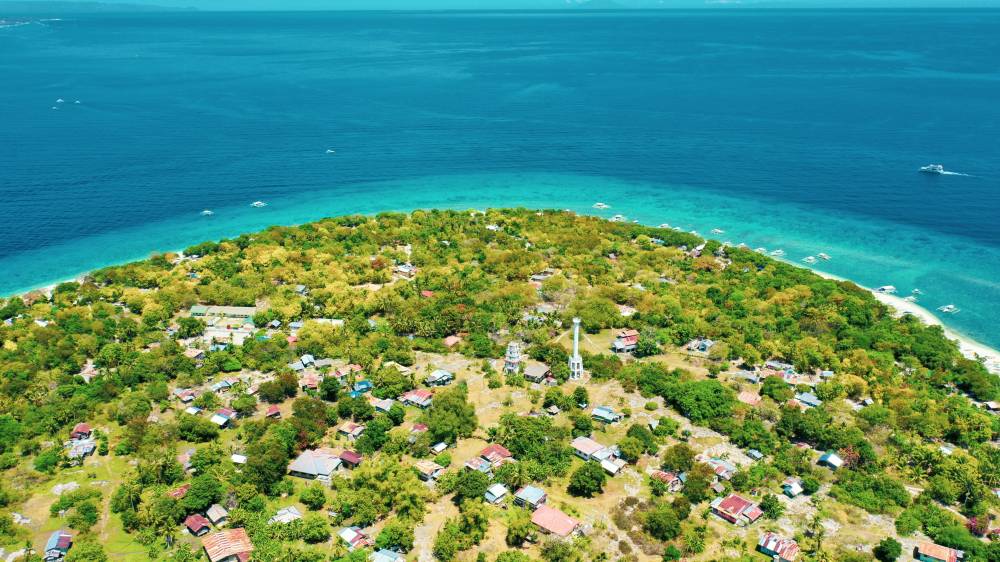
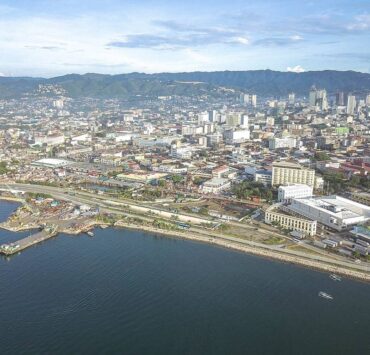
Known as the Queen City of the South, Cebu is a bustling metropolis that offers a great balance between modern amenities and natural scenery. It can easily compete with Manila in terms of contemporary comforts, exceptional food, and talented locals.
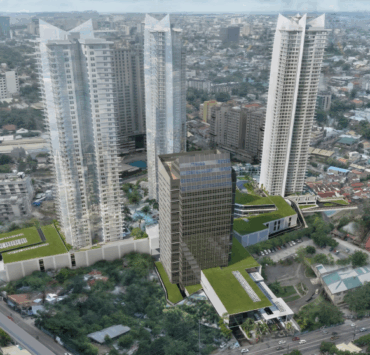
Over the years, this city has also become a real estate gem, hosting condominiums, offices, resorts, and other prime properties created by some of the country’s leading developers.
Today, it can be argued that Cebu City has become a land of luxury–the go-to place for quality and comfort beyond Metro Manila.
How does Cebu manage to maintain its island vibe while becoming a hub of luxury? What makes this Visayan city a unique place to find comfort and convenience?
Hub of heritage
Cebu City is considered the oldest city in the Philippines. It was first visited and claimed for Spain in 1521 by Spanish conquistador Ferdinand Magellan, and later formally established as a Spanish settlement in 1565 by Miguel López de Legazpi.
Despite its age–or perhaps because of it–the city remains robust and vibrant. It showcases an eclectic mix of old and modern edifices.
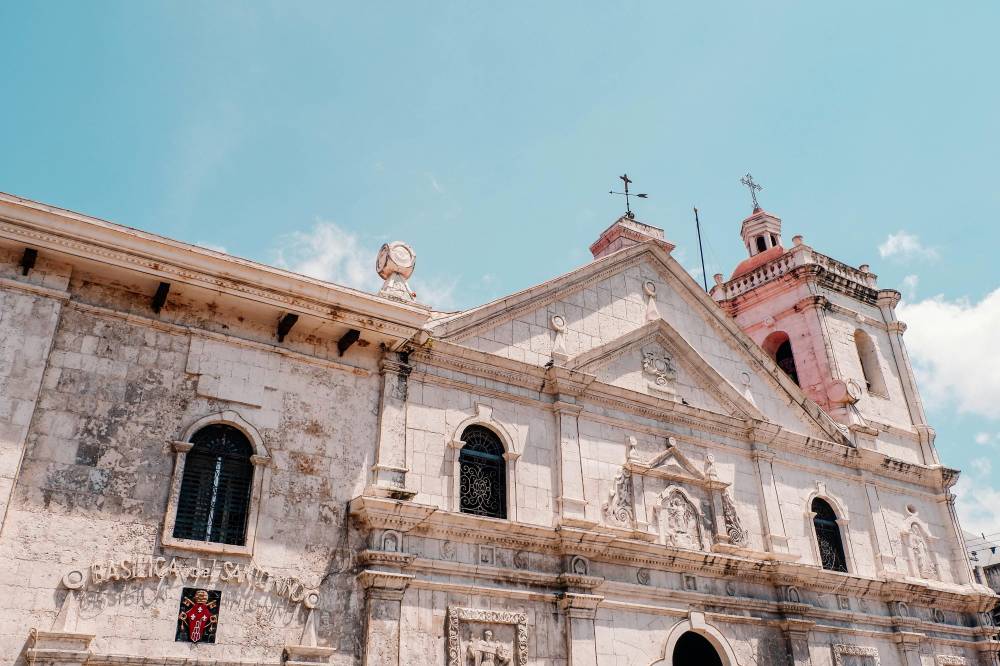
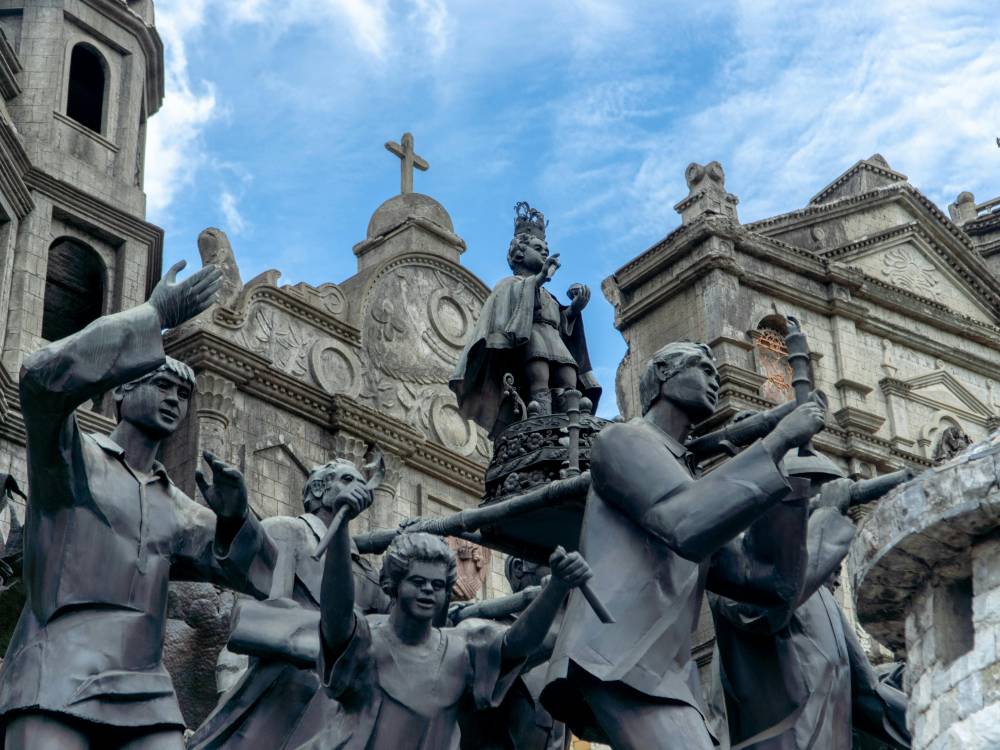
On one side, you’ll find heritage landmarks such as Magellan’s Cross, the Basilica Minore del Santo Niño, Museo Sugbo, and the historic buildings along Colon Street. Cebu has preserved much of its Spanish colonial architecture, reflecting the rich culture and history of the Philippines through its built form.
On the other, you’ll meanwhile discover modern establishments such as Cebu IT Park, SM Seaside Cebu, Ayala Center Cebu, and NUSTAR Mall.
Despite its rich heritage, Cebu continues to attract top developers due to its strategic location and strong economic growth. The city has a balanced presence of history and modernity. It weaves together stories of the old and the new, making it an ideal site for homes built with culture and character in mind.
Exceptional artistry
Beyond the city, Cebu province as a whole is also renowned for its excellent roster of creative talents.
Furniture designers like Kenneth Cobonpue, Vito Selma, and Ito Kish represent the city’s creative force in the global market. Guitar makers of Lapu-Lapu City are sought after for their craftsmanship and sound quality.
The province is likewise known for its woven textiles, which highlight culture and tradition through embroidery and beadwork, as well as quality woodcarvings, with artists such as Salomé Dugan, Maria Adela Mejia-Ybanez, and Amante Alvarado helping put Cebu on the map for fine wood craftsmanship.
Pottery is another craft for which Cebuanos are known, with artisanal pieces produced in areas such as Liloan and Poblacion.
With offerings like these, Cebu becomes a living museum of sorts, showcasing local products by integrating them into modern developments and luxury establishments.
Mix of city and country living
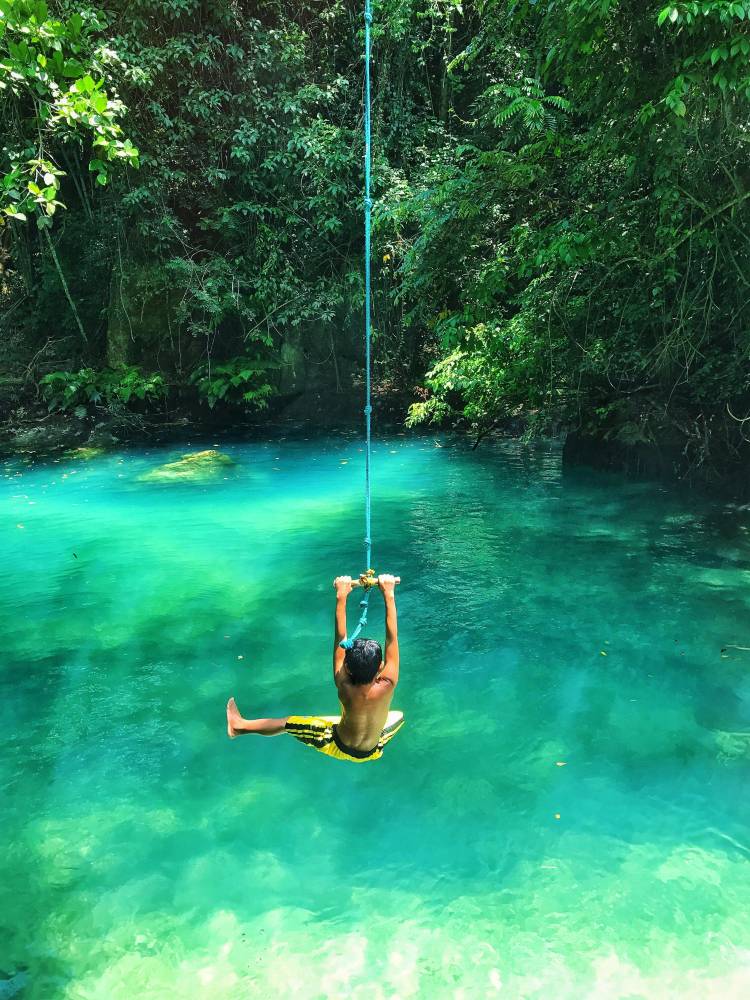
Beyond its products and structures, Cebu province is also a great place to live in owing to its natural beauty.
Attractions like Kawasan Falls, Maravillosa Park, and Osmeña Peak, as well as destinations like Bantayan Island, Logon Beach, and Lambug Beach in Badian offer a break from the hustle of urban life. With destinations like these, you can maintain work-life balance without needing to compromise your thirst for adventure.
These outdoor destinations also serve as a great backdrop for excellent resorts and residential complexes. The natural scenery immediately elevates modern structures, providing easy access to greenery even amid modern conveniences and high end technology.
Life at its finest
Overall, Cebu is recognized for its rich heritage, exceptional craftsmanship, and abundant natural attractions.
Because of these strengths, developers are naturally drawn to the province. It is no surprise that today Cebu is home to numerous modern developments, including commercial centers, condominiums, and prime office spaces.
Cebu thrives as a hub of luxury, offering a unique blend of culture, character, and comfort. If you’re looking to experience life at its finest, visit Cebu and discover the rich experiences that await.
Sources: Havi3, Christian Paul del Rosario, Gerald Yambao, and Renato Nascimento via pexels.com