











Women of the ground

Real estate often enters public conversation through price, ownership, and skyline.
Its deepest shifts, however, have always come from people who changed the very meaning of land. The strongest tribute lies in seeing how women transformed the built environment across Asia and the world, leaving marks on property that reach far beyond a title or a tower.
Ground
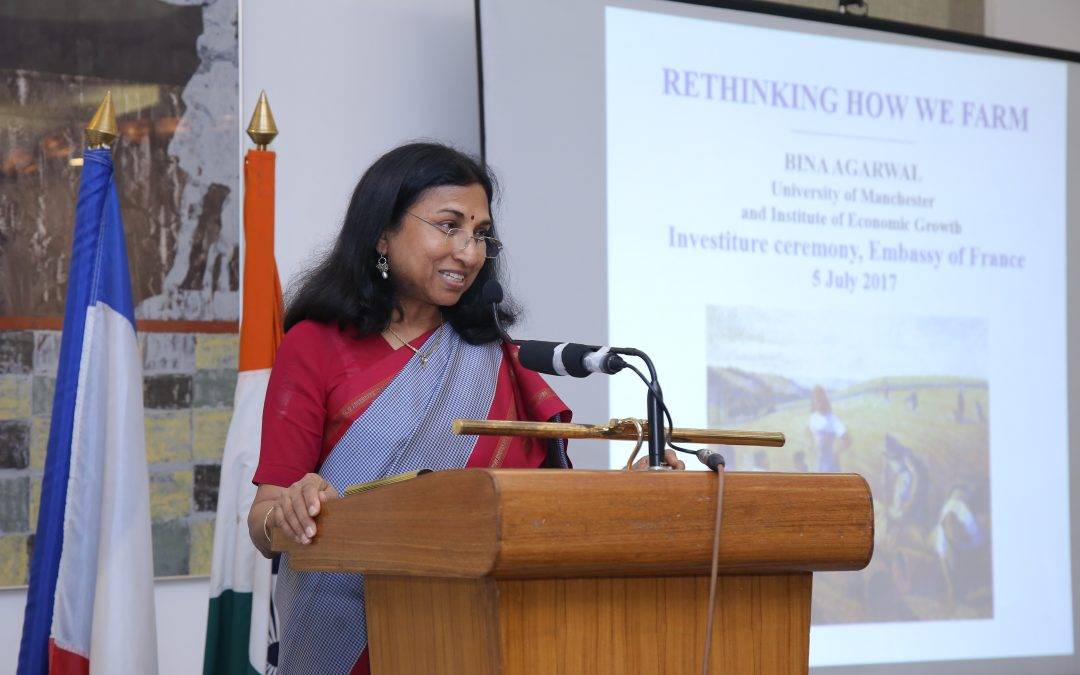
In South Asia, economist Bina Agarwal widened the conversation on real estate by highlighting women’s rights to land, inheritance, and productive assets. Her work gave property a human and social dimension that markets alone rarely capture.
A parcel of land can generate income, provide shelter, confer bargaining power, and provide family security. Agarwal helped push that issue into policy, scholarship, and development discourse, especially across India and the wider region.
Shelter
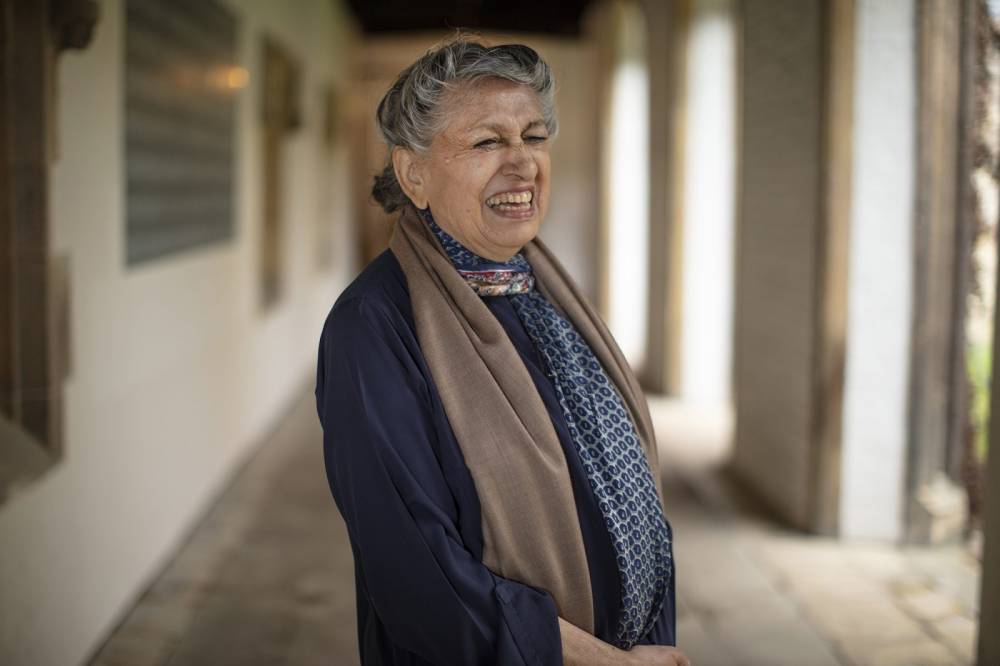
Pakistan’s Yasmeen Lari brought another kind of revolution.
Trained in formal architecture and later drawn toward humanitarian work, she proved that shelter could be graceful, climate-aware, and financially attainable at once. Her projects for flood-affected and low-income communities gave fresh legitimacy to bamboo, lime, and local building knowledge.
When the Royal Institute of British Architects recognized her with the 2023 Royal Gold Medal, it affirmed a body of work that placed human survival and spatial dignity in the same frame.
Climate
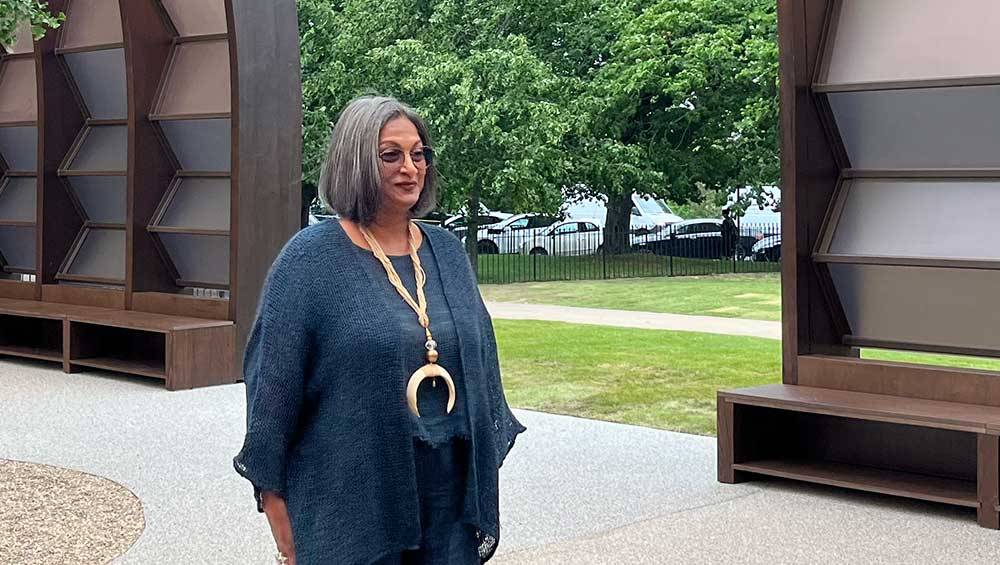
From Bangladesh, Marina Tabassum has built a practice shaped by geography, light, and the pressure of climate. She has drawn global attention for work that honors local craft, uses climate as a design partner, and treats a building as part of a larger environmental story.
Tabassum’s work suggests that lasting value will belong to places that understand their terrain rather than fight it blindly. Her growing international recognition, including inclusion in the 2024 TIME100 list of the world’s most influential people, reflects an architectural ethic that feels especially urgent for Asia.
Space
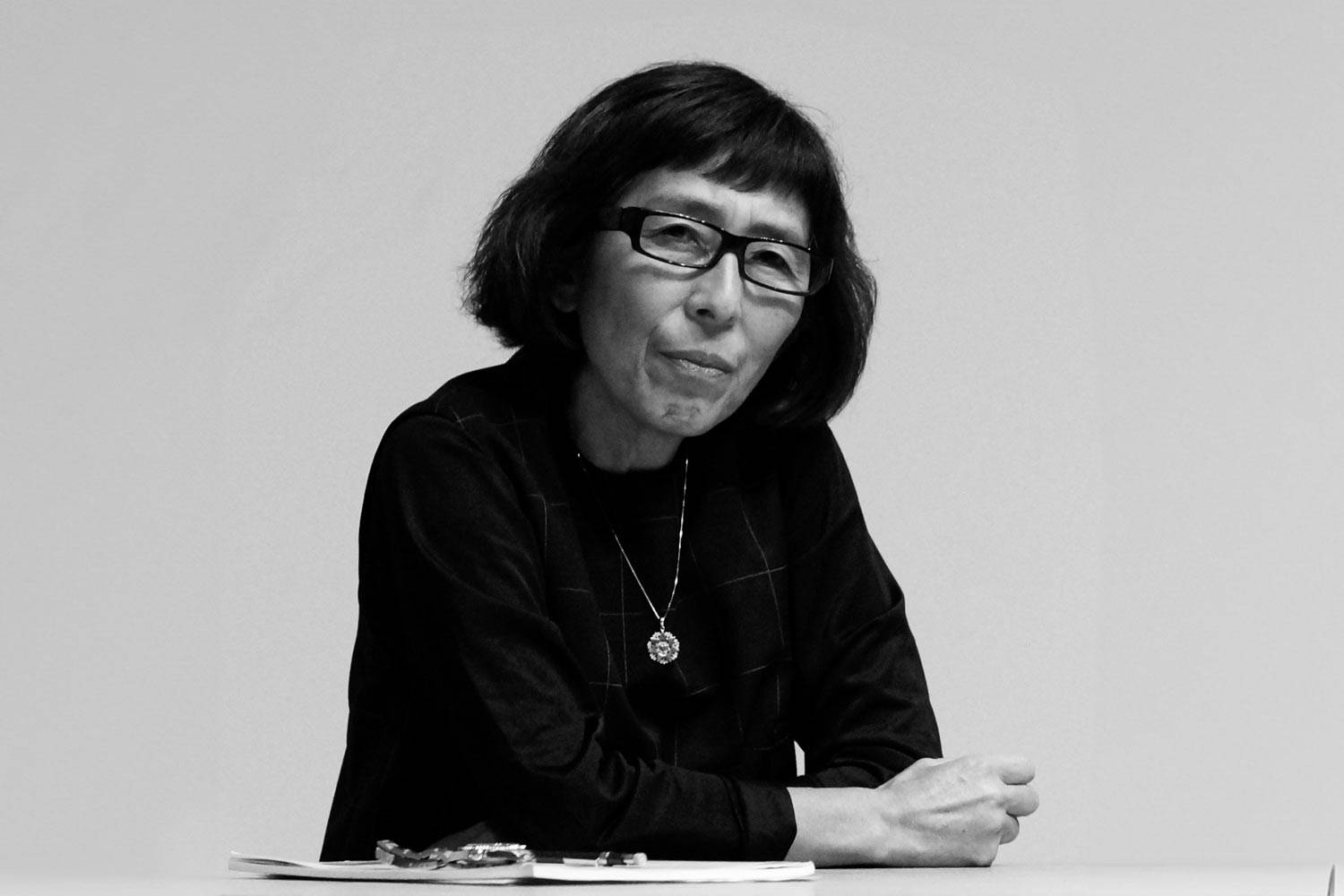
Japan’s Kazuyo Sejima brought a different kind of force.
Her architecture, often developed through SANAA, gave public buildings a rare lightness and precision. Museums, campuses, and cultural institutions under her hand seem to float between enclosure and openness, allowing movement, reflection, and public life to unfold with unusual ease.
When Sejima and Ryue Nishizawa received the 2010 Pritzker Architecture Prize, the recognition acknowledged an architectural language that was delicate yet powerful. That balance carries immense relevance for cities seeking prestige without spectacle for its own sake.
Image
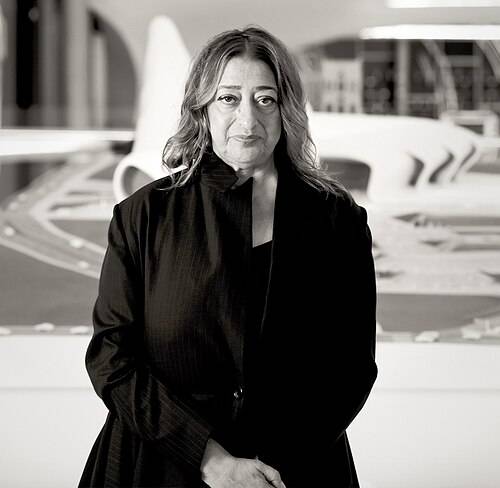
Zaha Hadid expanded the conversation again by demonstrating that architecture could alter the site’s commercial and symbolic gravity. Her buildings gave cities a new visual confidence, whether in London, Guangzhou, Baku, or Hong Kong.
Curves, velocity, and structural daring became part of a new civic image, one that linked architecture to tourism, investment, and global attention.

She also became the first woman to win the Pritzker Architecture Prize in 2004. Her buildings transformed the reputations of neighborhoods and institutions.
Memory
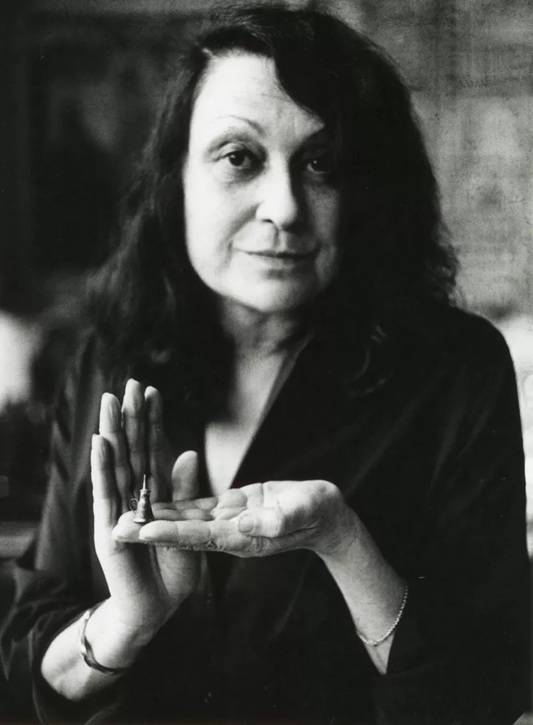
Lina Bo Bardi offered a quieter yet equally lasting lesson.
Working in Brazil, she treated existing structures as vessels for civic renewal. Her buildings and adaptive reuse projects kept history alive while opening it to present-day life. She understood that architecture gains strength when it welcomes people with generosity, roughness, and cultural depth.
Cities benefit from renewing old structures with imagination instead of erasing them. Heritage maintains commercial vitality, social memory, and neighborhood identity. Bo Bardi showed that redevelopment can enrich a place without losing its soul.
Atmosphere
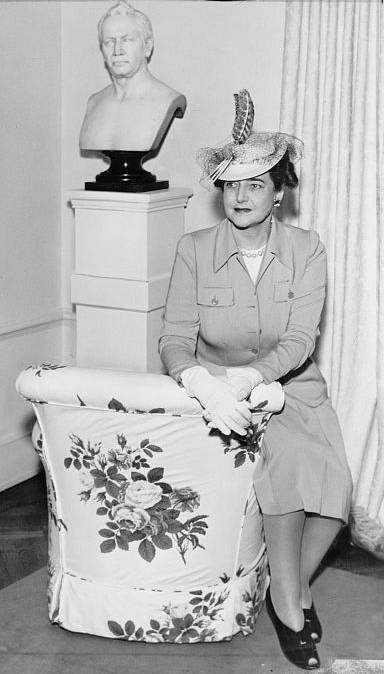
Dorothy Draper highlighted the importance of interior design, turning it into a powerful commercial force, especially in hospitality.
Her hotel designs gained character and emotional impact, helping guests remember them long after leaving. She knew people often select a property based on feelings before logical reasons.
That insight remains central to premium residences, resorts, and mixed-use developments today. Atmosphere can influence occupancy, nightly rates, reputation, and brand recall. Draper’s work helped establish the interior as part of real estate strategy rather than decoration alone.