







Return on investment

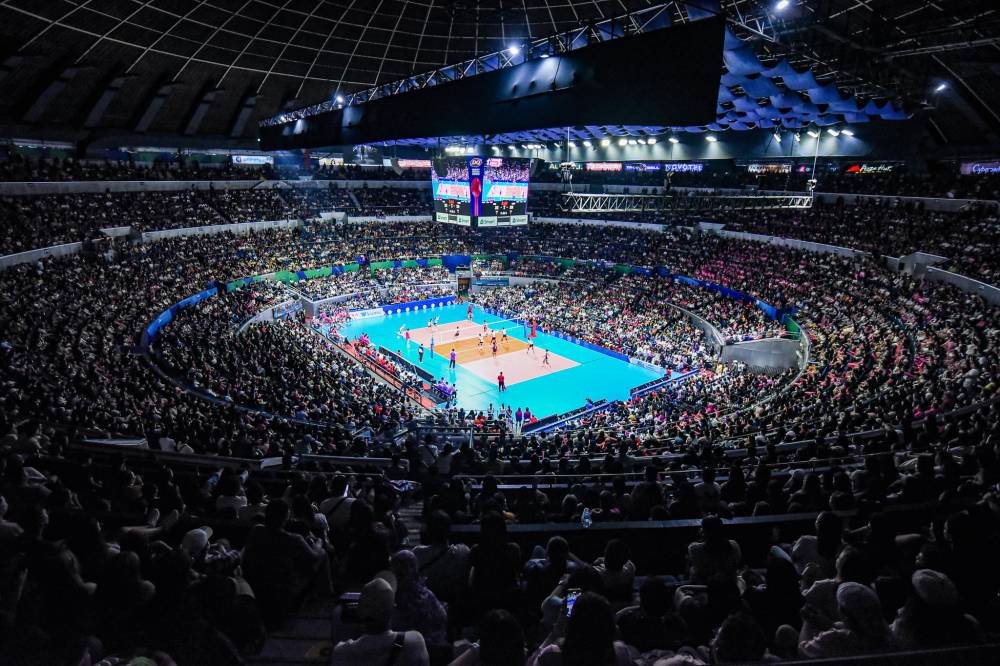
Sell-out crowds. High TV and streaming numbers. Those are enough to make one think that the Premier Volleyball League and its teams are raking it in.
The PVL undoubtedly is a great marketing vehicle for its teams and their products, as owners spend millions to maintain competitive squads that provide a different kind of sports entertainment and, at the same time, give a younger generation of volleyball players something to aspire to after college.
But for the first time since the PVL became professional in 2020, teams will start to be paid by the league this year.
“30 percent of what the league makes (every year),” PVL president Ricky Palou told the Inquirer over the phone a couple of days back of the initiative of his office to make the owners realize some revenue out of the success of the league. “That would be 30 percent divided by all the teams that are playing.”
Second major initiative
Palou went on to say that the remaining 70 percent will be used for operating expenses.
This will be the second major move of the PVL leadership in the last three years to assure sustainability and parity among its teams, with the first one being the Rookie Draft that saw former La Salle ace Thea Gagate tabbed first overall.
“This will help ensure the stability of the league,” Palou added as he and his staff are in the midst of negotiations for a contract renewal with Cignal for the broadcast rights of the games, a vital part of the pie that will be sliced for the teams at the end of each year.
“We knew that somewhere down the road that this will happen,” Palou went on. “And we are just happy and proud that we can start doing it starting this year.”

Palou worked as the chief finance officer of the Philippine Basketball Association (PBA) for several years when the late Jun Bernardino was commissioner, and knows the ins and outs of running a league that is dependent on TV and gate revenues.
A tested formula
It’s no secret that this is being patterned after the PBA and other successful league like the UAAP and NCAA, as the PVL will try—through the years—to make each team break even as far as maintenance of their respective squads is concerned.
“That’s the target, hopefully,” Palou said.
There were estimates in the past that high-profile PBA teams each spend an average of P50 to P60 million a year to maintain a competitive roster. Though the PVL office has no idea at the moment what the going rate is in their league, it sure is an amount well worth it considering the following it has generated in its first five years as a professional league.