





Demand for AI courses rising in PH

Filipinos fear being replaced by artificial intelligence (AI), but they are willing to learn it, too.
New data from online learning platform Coursera show that this year, one learner in the Philippines enrolls in a generative AI course every seven minutes—more than twice as fast as they did last year (one in every 15 minutes).
In its year-end report, Coursera recorded 125,000 generative AI enrollments from the Philippines this year, with offerings from Google, IBM and DeepLearning.AI drawing the strongest interest.
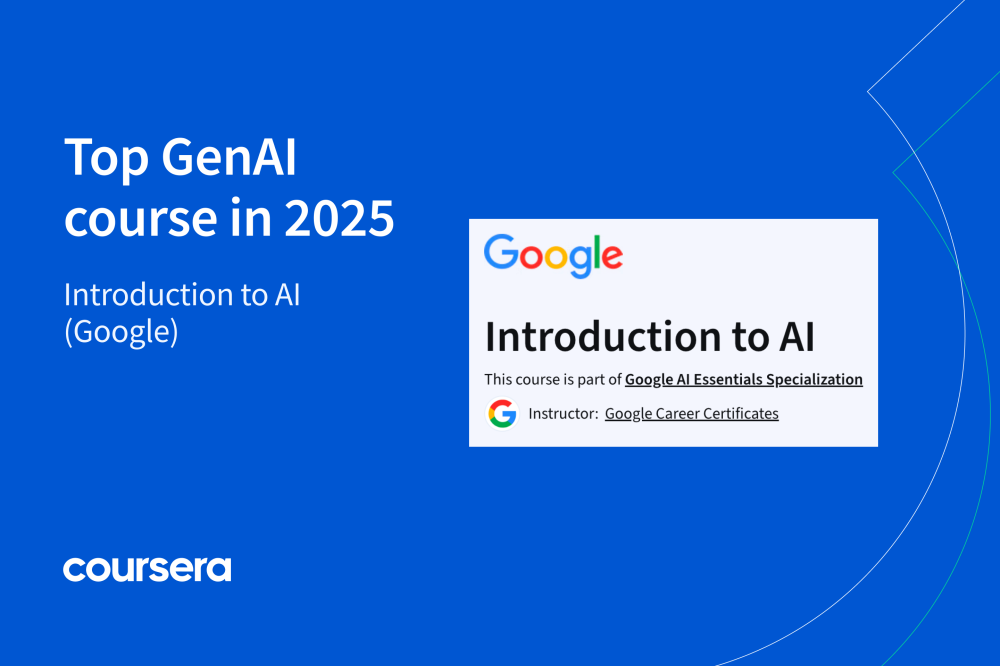
Two AI classes made it to the country’s 10 most popular courses: DeepLearning’s “AI for Everyone” at No. 4 and Google’s “Introduction to AI” at No. 10.
“We’re seeing sustained interest in AI, data, cybersecurity and essential workplace skills—a combination that will anchor the country’s transition toward a more digital and globally competitive workforce,” says Ashutosh Gupta, managing director for Asia and the Pacific at Coursera.
Courses that focused on practical AI also saw rapid growth, such as those on prompt engineering and the use of AI to enhance job searches and productivity.
Coursera says these results reflect “the growing need for professionals who can operationalize AI across policy, operations and human development.”

It pays off
Coursera’s report found that Filipinos were most eager to learn about the foundations of data, project management and cybersecurity—programs offered by Google that topped the country’s enrollment mix in 2025.
Nontech courses that made it to the Philippines’ top 10 included classes on digital marketing and e-commerce, mental tools and languages such as Korean and English.

“Filipino learners are steadily building the digital and professional skills that will open doors to stronger opportunities and long-term career growth,” Gupta says.
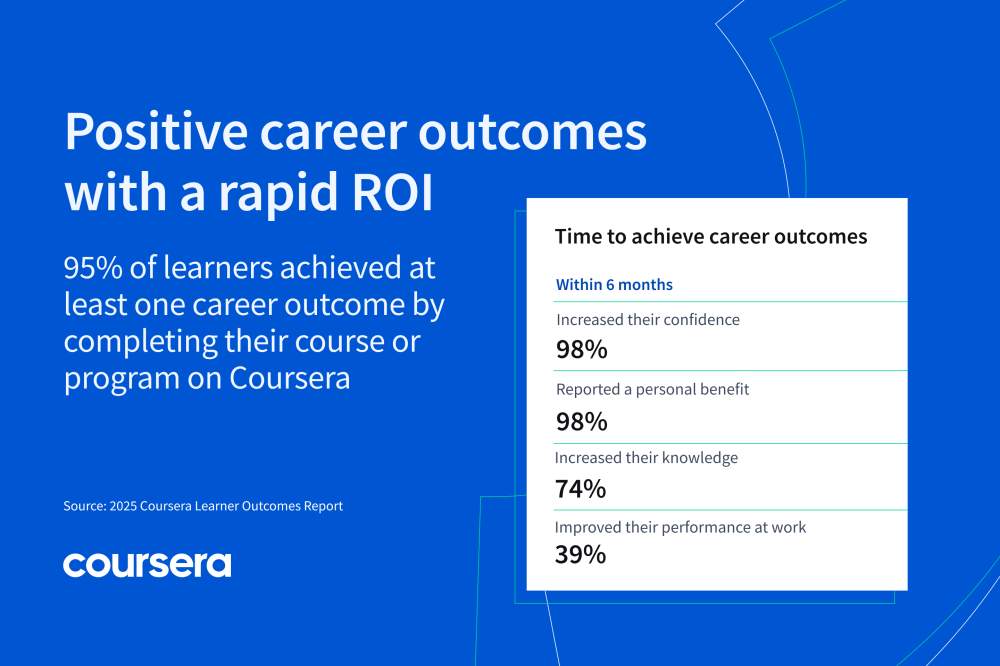
Platform data suggest that these enrollments are paying off: 95 percent of Filipino learners reported positive career outcomes, including landing new roles or advancing in their current jobs.
Meanwhile, 98 percent said the benefits were personal, such as greater confidence or a sense of achievement. Some 39 percent reported an improvement in job performance after completing their courses.
Among the fastest-growing skills in the Philippines this year are AI-assisted productivity, operational efficiency and project execution, cybersecurity and digital resilience, communication and collaboration and human capital development.
These trends occur as Filipinos confront an AI-threatened labor landscape. An International Monetary Fund study found that 30 percent of jobs in the Philippines are significantly impacted by AI, with 14 percent of workers facing the risk of displacement.