








A case for the good ol’ showbiz talk show

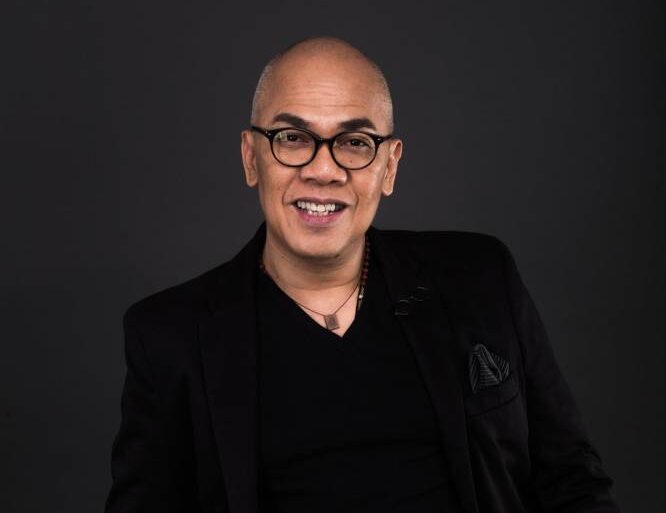
The era of weekly, long-form showbiz talk shows ended more than a decade ago and will likely remain a relic of the past. Even television host Boy Abunda, a pillar of the genre, concedes as much.
“We’re just in a different world now,” he tells Lifestyle Inquirer. “Attention spans are much shorter. After seven, 10 minutes, bibitawan ka na.”
By “different world,” he is, of course, referring to the age of social media, where celebrity access is instant and direct, and is just about non-reliant on traditional media and its gatekeepers.
But back then, the breaking news, the scoop, the big reveal, and the apology were the domain of talk shows. You waited until Saturday for “Startalk” or Sunday for “The Buzz” to watch embattled celebrities address the issues or clear the air on whatever controversy they were caught up in.
Glorified recap
But in today’s landscape, those functions have been effectively absorbed by the celebrity PR machines—or, in fact, by the celebrities themselves. Why risk going on national television and having “my truth” challenged by an uncomfortable follow-up question, when they can simply write their own posts? When they themselves can go live online, control the narrative, and in the end, make money off it?
By the time the weekend rolls in, the celebrity has already cried, gone on a rant, and interacted with followers in real time. And the talk show, therefore, becomes little more than a glorified recap with dramatic voiceovers.
But once in a while, a story pops up that goes beyond gossip or promo fluff and becomes part of the national conversation. Such was the case of Alvin Aragon—former actor and husband of former SexBomb dancer Izzy Trazona—whose recent remarks about religion, parenting, and queer identity ignited public debate and drew backlash from fellow celebrities.
However, the aftermath shows that short, on-demand content popular today can’t really cover such a subject with the context that only long-form formats can provide. “The Buzz,” for instance,” used to switch gears when the situation called for, and treated a story with the same rigor a hard news piece would get.
The resulting commentary about Aragon was mostly snark or impassioned reactions to his statements. Sure, there were voices from different perspectives, but they were fragmented and scattered across platforms. People have to go out of their way to find them, or wait for their algorithm to show them, because, as we know, it mostly feeds you voices that already confirm your beliefs.
Room for pushback
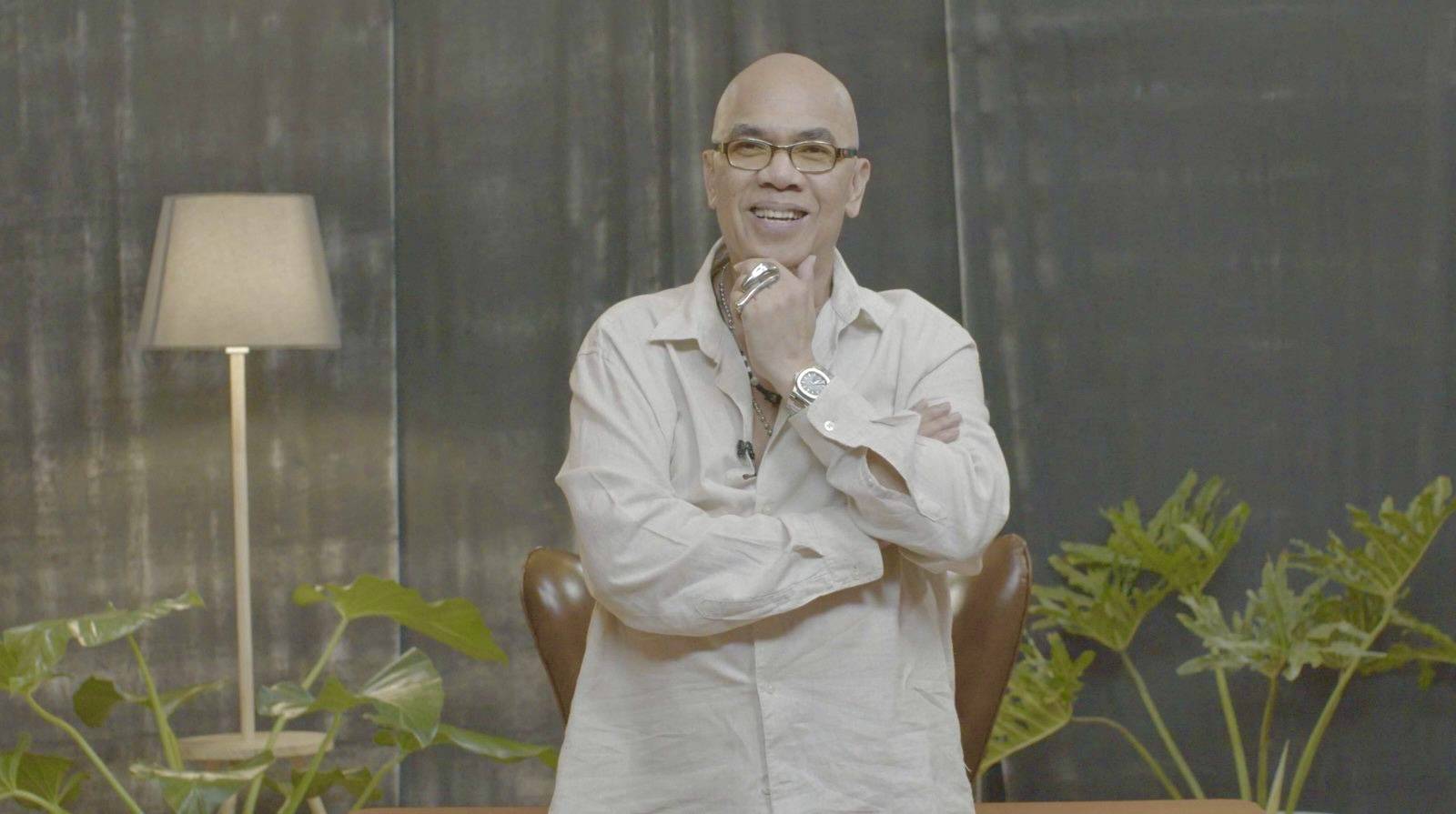
Interestingly, this issue started in Abunda’s own backyard—on the set of his daily, bite-sized show “Fast Talk with Boy Abunda”—before blowing up in subsequent interviews on other platforms. Like when he recalled warning Trazona’s trans daughter, Sofia Trazona, that continuing down the path of “homosexuality” would be her ticket to hell.
Constrained by the 20-minute format and by television guidelines, Abunda had to be the gracious host or steer clear of questions that could have prompted a heated, lengthy debate. Off-screen, or on a less restricted platform, he could have had more room for pushback or to dissect the issue.
If he could have had it his way, he would have done it the old way. Aside from the celebrities, he would have loved to invite advocates, pastors, psychologists, and other voices who could help “unpack” the why behind the headlines. This way, Abunda isn’t compelled to cross the line of being a moderator and risk putting his guests on the defensive—especially since, as a gay man, he knows a discussion on LGBTQIA+ issues premised on faith is bound to “be a combustible affair.”

“There are stories that need to be tackled the way we used to do it. I would have loved to do a roundtable, so we could have a better understanding of all the elements,” Abunda says, highlighting the importance of letting the audience sit through opposing views in real time.
Not without flaws
Of course, the old format wasn’t without flaws. It could be guilty of prioritizing drama over substance for the sake of ratings. It dug into people’s personal lives not for context but to mine pasabog, and could end up turning private trauma into an extension of soap opera viewing.
Still, for all its excesses, there are elements of that format that may be worth revisiting—especially when it comes to providing well-rounded coverage that today’s fragmented media landscape rarely delivers. In fact, Abunda is considering creating an online extension of “Fast Talk with Boy Abunda” to give more space for the in-depth discussions he’s missing.
“That format is familiar territory,” he says. “And the advantage is that we can always go back to that when needed.”
******
Get real-time news updates: inqnews.net/inqviber