











New museum in Valenzuela pays homage to San Miguel’s 135-year brewery legacy

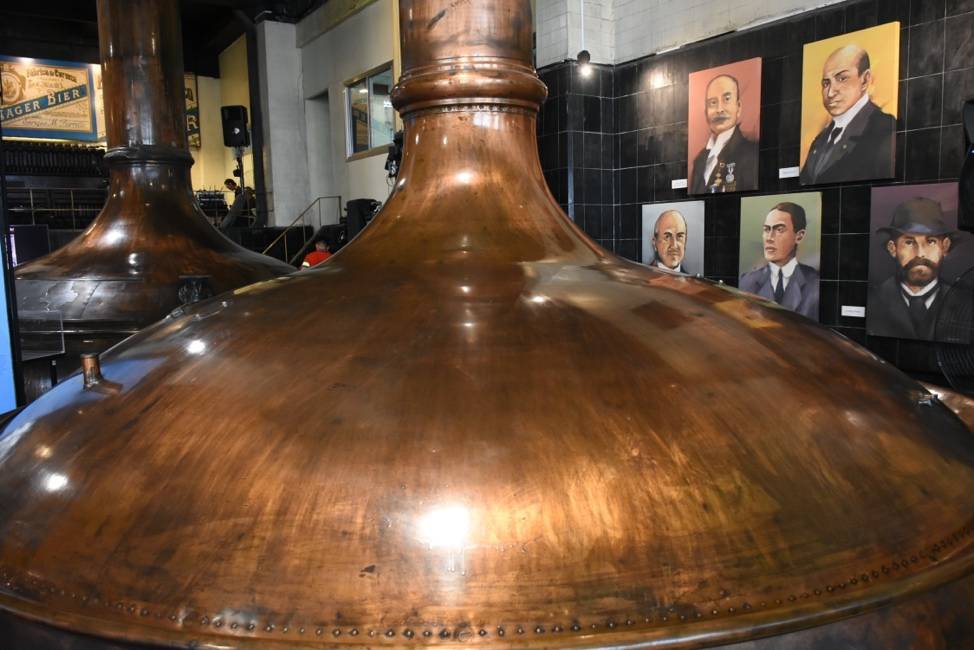
On the grounds of the country’s oldest surviving brewery in Polo, Valenzuela City, history now sits alongside the hum of modern industry.
More than a century after its founding, San Miguel Corp. (SMC) has opened a museum dedicated to preserving the story of one of the Philippines’ most enduring brands—paying tribute to the company’s 135-year journey from a small brewery to a diversified conglomerate.
The newly inaugurated Polo Brewery Museum gathers together rare artifacts, archival records and personal accounts that chronicle the company’s beginnings in 1890 and its transformation across generations.
Company officials say the museum is the culmination of a decades-long effort to collect and safeguard pieces of SMC’s past.
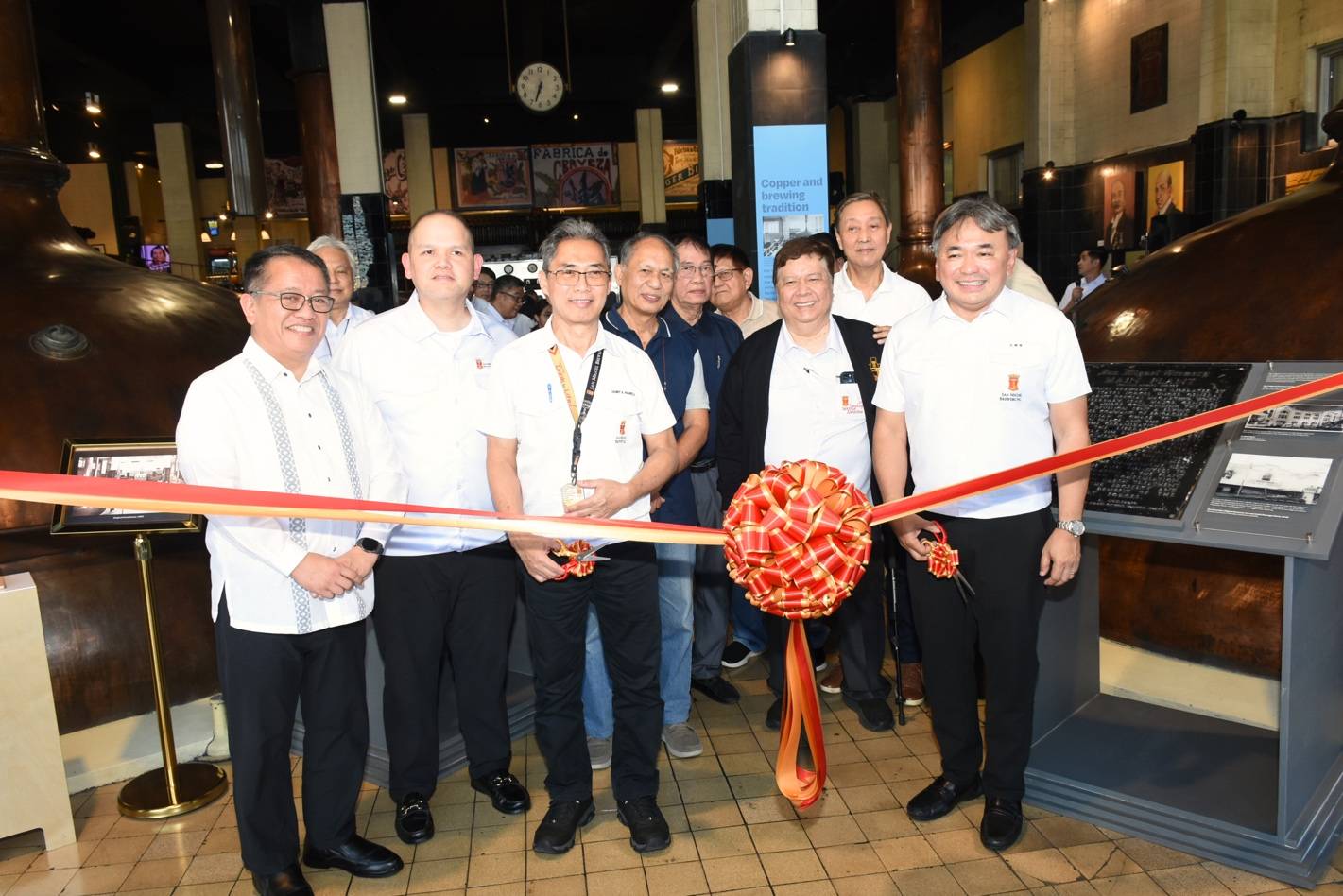
Leading the opening ceremony were SMC president and chief operating officer John Paul Ang and Carlos Antonio Berba, who described the space as both a tribute to history and a reminder of the values that shaped the company.
“This tribute to SMC’s beginnings and milestones could not have been better placed,” Ang says, noting that the Polo Brewery is the firm’s oldest operating facility. “It serves not just as a sentimental link to our past, but as a source of strength.”
A brewery that tells a story
The museum is housed in the original structure of the Polo brewery—an industrial building that has quietly witnessed decades of transformation in the Philippine brewing industry.
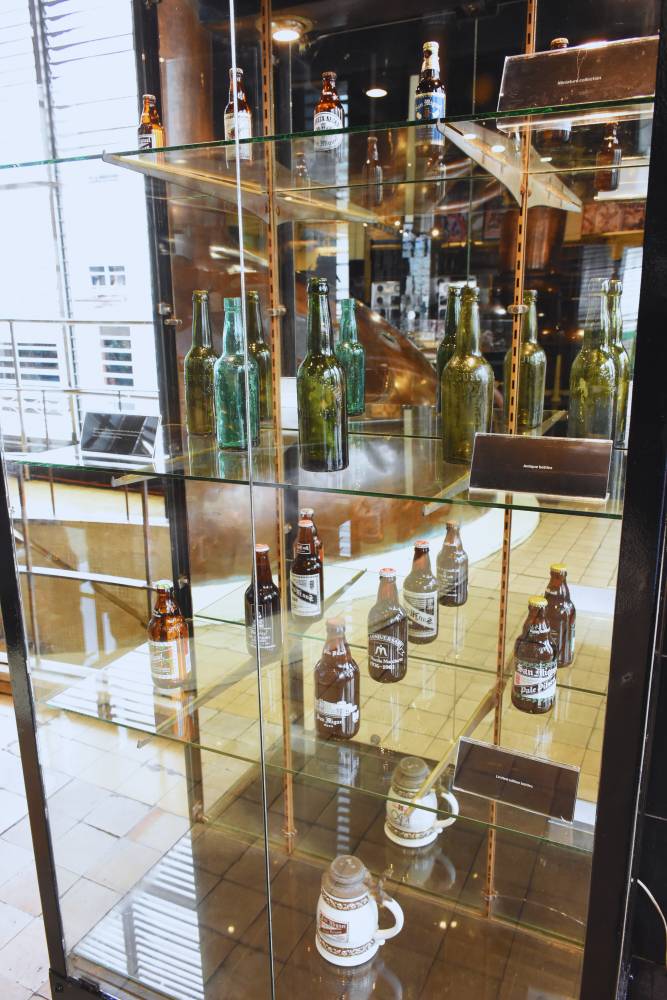
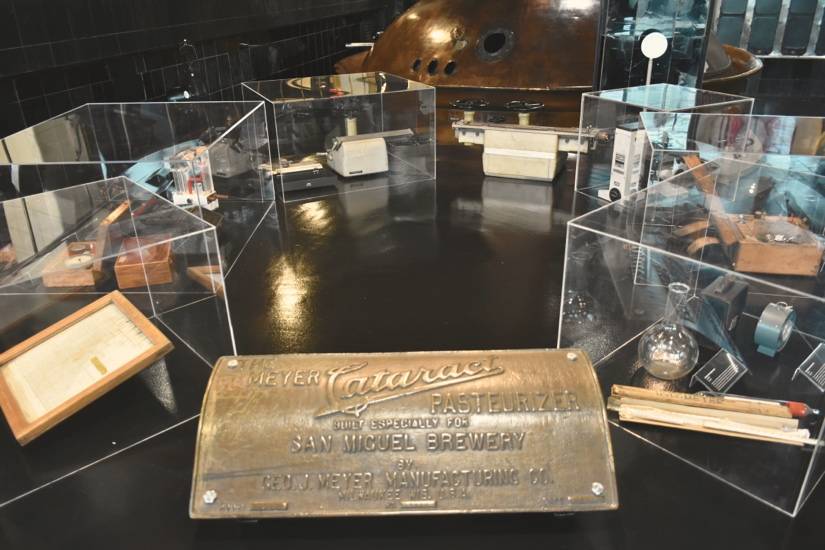
Inside, visitors encounter an eclectic collection of items that once formed the backbone of beer production. Among them are brewing machines that were once considered cutting-edge technology, vintage worker tools and reproductions of historical documents.
Classic beer labels, advertisements and packaging designs also line the exhibits, offering a visual timeline of how the SMC brand evolved over the decades.
Some artifacts highlight the craft of brewing itself.
A mash filter, once used to separate liquid wort from grain during beer production, is among the centerpieces of the display. Nearby are machines used to wash filter cloths and copper brewing vessels, including an all-copper mash tun where the brewing process begins and a mash kettle where the wort is boiled.
Together, these relics reflect the technical traditions that defined beer production in earlier decades.
Company officials describe these objects as the “last remaining connection” to the firm’s earliest years—tools that carried the craft of brewing from one generation of workers to the next.
From Manila roots to Polo
SMC’s story began in 1890 in the district of San Miguel in Manila, when founder Don Enrique Maria Barretto de Ycaza established the La Fabrica de Cerveza de San Miguel.
One of the most significant items on display at the museum is the Royal Patent issued by the Spanish government that same year. The document granted Barretto de Ycaza a 20-year exclusive right to brew beer in Manila—a privilege that paved the way for the country’s first large-scale brewery.
But history did not move in a straight line.
World War II destroyed much of Manila, forcing SMC to rebuild its brewing operations. In 1947, the company transferred operations to the Balintawak Beer Brewery facility in Polo—then part of Bulacan.
Today, the same structure houses the museum that now narrates that dramatic chapter in the company’s history.
Another exhibit features promotional materials and advertisements from the 1950s to the 1990s—an era when San Miguel beer cemented its place as a household name across the Philippines and eventually in regional markets.
A legacy preserved
The idea of establishing an SMC museum dates back more than two decades.
According to company officials, the initiative began as early as January 2000, when plant leaders started gathering archival documents and historical artifacts from across the brewery network. Over time, collections expanded through the efforts of successive leadership teams and employees who preserved items from the company’s past.
Momentum to complete the project gained renewed urgency in 2025 as SMC celebrated its 135th anniversary.
Additional resources were then allocated to transform the space into a permanent exhibit—one that executives say reflects the company’s long-standing emphasis on adaptation, discipline and continuity.

For Carlos Antonio Berba, preserving the company’s story carries a deeper meaning.
“Heritage is a privilege,” he says during the opening ceremony. “But it is also a responsibility. It is our responsibility to ensure this legacy continues.”
The people behind the story
Beyond machines and documents, the museum also honors the generations of workers who sustained the company’s growth.
During the inauguration, Jose Manuel Alba, a former human resources officer of SMC Brewery, spoke about the human dimension of the company’s industrial history.
“Our rich history deserves to be honored—even in a brewery like Polo,” Alba says. “People need something that speaks to the heart.”
For him, the story of SMC mirrors the broader story of national progress—one built on perseverance, craftsmanship and service.
A museum for the company’s own community
For now, the Polo Brewery Museum will remain largely internal.
The facility is not yet open to the public, with visits currently limited to employees and special, pre-arranged tours.
Company officials say the space is intended not only to preserve artifacts but also to inspire the people who continue the company’s work today.
Within its walls are reminders that long-term success—whether in brewing or business—is rarely accidental. It is the result of accumulated knowledge, evolving technology and the steady labor of generations.
More than a display of old machines and documents, the Polo Brewery Museum stands as a quiet testament to a company that has managed to endure for more than a century—while continuing to shape the country’s industrial and corporate landscape.