




WHO: Aid cuts, war threaten vaccine progress in Africa

Vaccination programs across Africa have saved tens of millions of lives over the past two decades, but progress is slowing in some countries, the World Health Organization (WHO) said on Wednesday, amid warnings that cuts to United States aid risk leaving millions of children unprotected.
Health systems in the continent of 1.5 billion people face growing uncertainty following the US pullback from global health funding under President Donald Trump’s “America First” policy, alongside disruptions linked to the war in the Middle East that are straining aid budgets and supply chains.
Announcing its first-ever comprehensive analysis of immunization in the region, the WHO said more than 500 million children have been reached through routine vaccination since 2000, preventing over 4 million deaths each year.
Overall, it said vaccines have saved more than 50 million lives in Africa over the past five decades, “gaining an estimated 60 years of life expectancy for each infant life saved” during that period.
Major breakthrough
In 2024 alone, vaccines saved nearly 2 million lives, the agency said, pointing to key milestones including the eradication of wild poliovirus in 2020, “a historic milestone for Africa,” and the elimination of maternal and neonatal tetanus in most countries.
Vaccines against malaria, a disease that kills more than 400,000 people annually, most of them children under five in Africa, are now being introduced in 25 countries. Mohamed Janabi, the WHO regional director for Africa, called that “a major scientific and public health breakthrough” during an online press briefing.
But he also warned that “progress is uneven and in some places really slowing,” after the COVID-19 pandemic increased the number of children who have never received a single vaccine.
Ten countries account for 80 percent of children who haven’t received any vaccine in the region, he said, describing it as “a profound equity issue.”
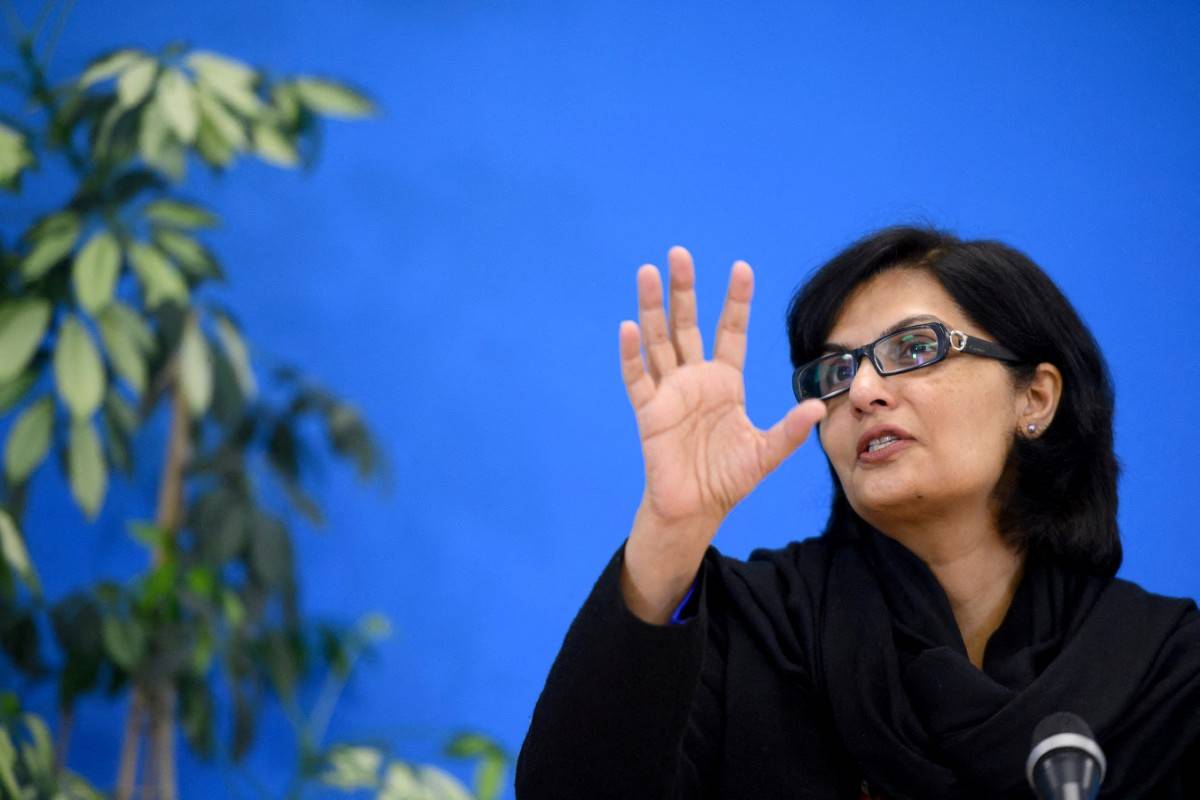
“These immunization outcomes reflect very different realities, and we have more work to do to ensure we are consistently able to reach children, even in the most fragile and remote contexts,” said Sania Nishtar, chief executive of Gavi, the Vaccine Alliance, which partners with WHO in vaccination efforts.
Domestic financing
Aid cuts since Trump returned to the White House in 2025 have been devastating, Janabi said. The US withdrawal from WHO in January resulted in the loss of about 40 percent of the agency’s overseas development funding, he said, and urged African governments to increase domestic health financing to mitigate the impact.
The US-Iran war, which has disrupted supply chains and increased gas prices, is concerning for a continent where “many of our facilities depend on generators,” said Adelheid Onyango, the WHO Africa director for health systems and services. She said the agency is yet to quantify the war’s impact.
Health experts such as Shabir Madhi, a professor of vaccinology and dean of the Faculty of Health Sciences at South Africa’s University of the Witwatersrand, say funding is emerging as the “biggest threat” to Africa’s immunization efforts as the United States and other Western donors tighten aid to poorer countries.