


Poll: April inflation sizzled to over 2-yr high

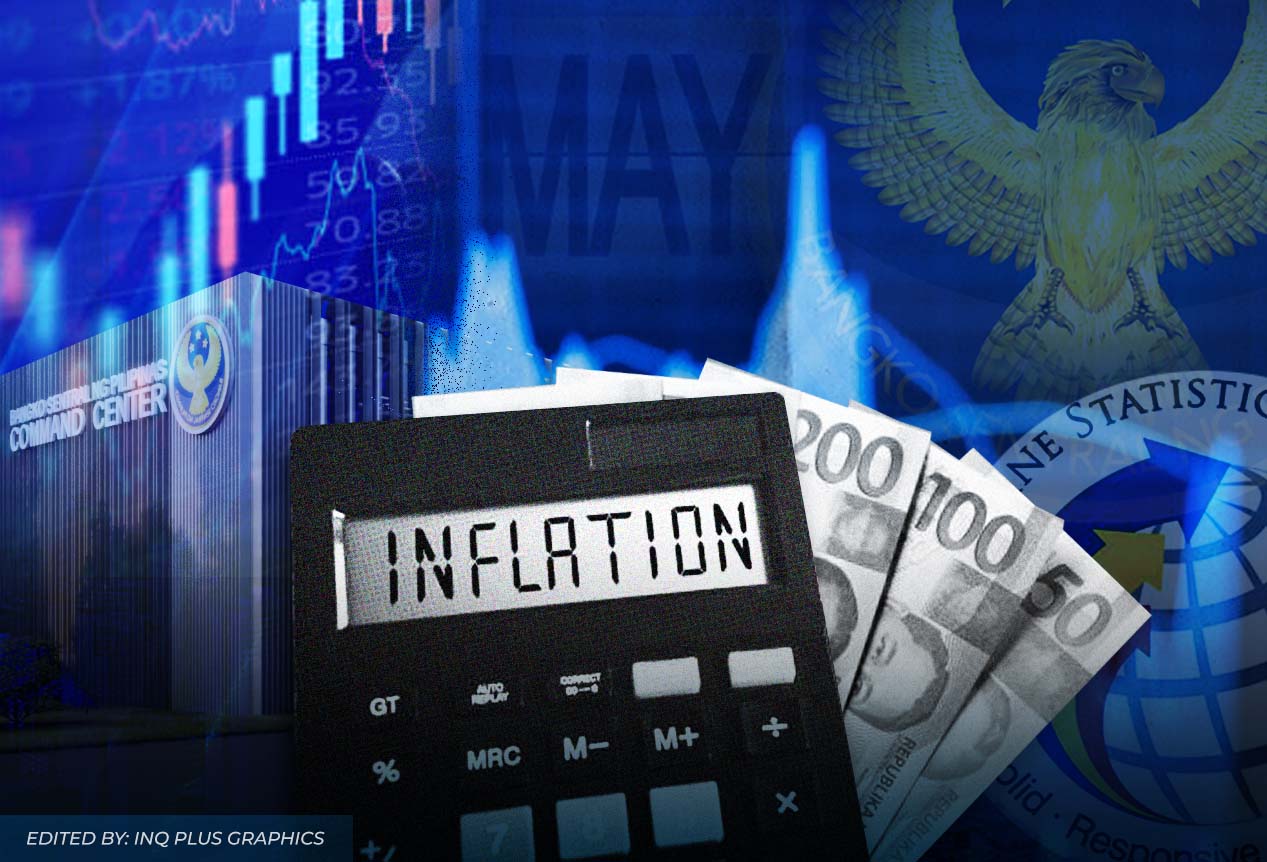
Inflation may have climbed to its highest level in more than two years in April, drifting further beyond the central bank’s target range as surging oil prices linked to the Middle East conflict combined with rising food costs to intensify price pressures.
Based on the median estimate of 14 economists polled by the Inquirer, consumer prices likely rose 5.5 percent from a year earlier last month.
If realized, the figure due from the Philippine Statistics Authority on May 5 would mark the hottest reading since September 2023, when inflation sizzled to 6.1 percent. It would, however, come in slightly below the Bangko Sentral ng Pilipinas’ (BSP) forecast range of 5.6 percent to 6.4 percent for April.
Even so, both the consensus forecast and the central bank’s estimate suggest inflation may have breached the official 2-percent to 4-percent target band for a second straight month.
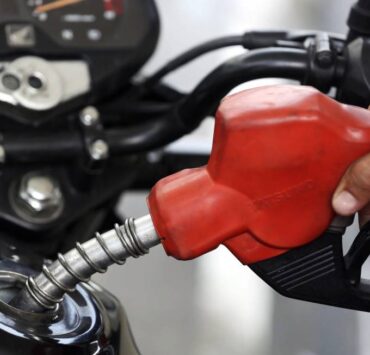
Domini Velasquez, chief economist at China Banking Corp., said price pressures during the month stemmed from higher fuel and cooking gas costs, along with increases in key food items such as rice, meat, fruits, eggs and cooking oil.
Velasquez, who estimated inflation at 6.2 percent for April, also cited higher electricity rates in areas served by Meralco, the country’s largest power distributor, and increased water tariffs in areas covered by Metro Manila’s two water providers. Lower vegetable prices partly offset these pressures, she said.
“Looking ahead, we expect inflation to remain above 6 percent for the rest of the year,” Velasquez said. “Uncertainty surrounding a lasting resolution to the Middle East conflict continues to pose upside risks to global oil prices and, consequently, domestic fuel prices.”
“In addition, constrained fertilizer supply and the potential onset of El Niño could weigh down agricultural output and lead to higher food prices,” she added.

Aris Dacanay, senior Asean economist at HSBC Global Investment Research, said inflation may have bolted 6 percent last month. While retail fuel prices eased in late April, Dacanay said gasoline and diesel prices rose by double-digits month-on-month, while retail rice prices rose in Metro Manila.
“With rice and energy being large components of the Philippine consumer price index basket, second-order effects on inflation—particularly in restaurants, furnishings, and non-volatile food items—might have pushed inflation higher,” Dacanay said.
The BSP has already moved to tighten policy in response to the global oil shock tied to the US-Israel war with Iran, now in its 10th week with no clear end in sight. The central bank raised its key policy rate by a quarter point to 4.5 percent at its April 23 meeting, where policymakers also weighed a larger half-point increase as they acknowledged a “deteriorating” inflation outlook.