









Unemployment holds steady at 5 percent in March despite energy crisis

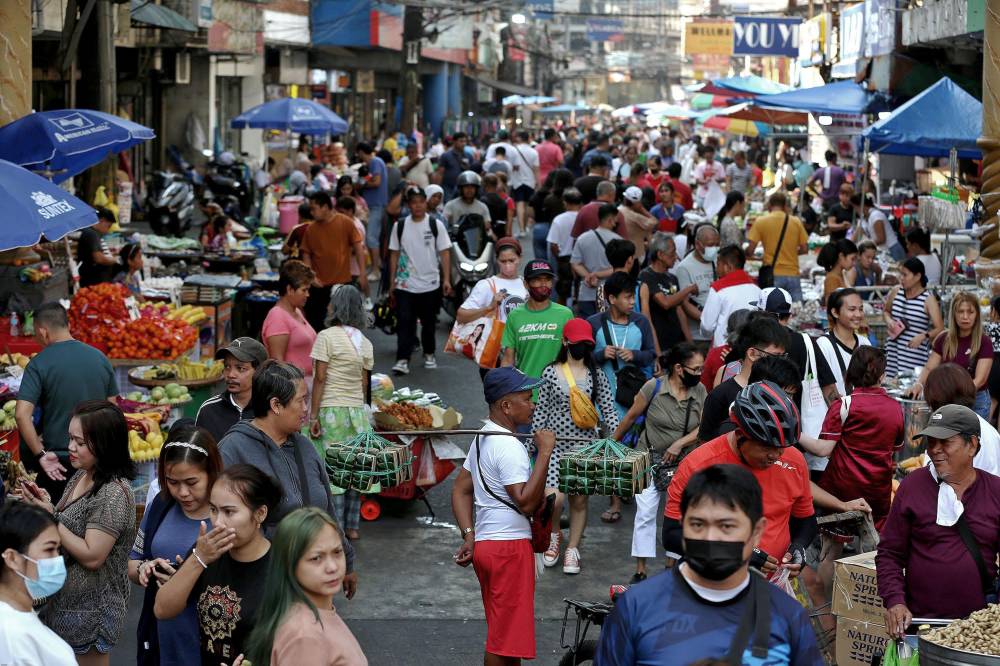
Unemployment remained subdued in March, largely unchanged despite expectations of a broader deterioration amid mounting pressures from the war-driven oil crisis, official data revealed on Wednesday.
Preliminary data from the Philippine Statistics Authority (PSA) showed that unemployment fell slightly to 5 percent in March from 5.1 percent in February. This translates to 2.58 million Filipinos out of work, down from 2.66 million the previous month.
However, compared with the same month last year, unemployment still rose from 3.9 percent, or 1.93 million jobless Filipinos, indicating a year-on-year deterioration.
Economists were divided at what to make of the data, with analysts from Chinabank Research saying the latest figures offer some “optimism that the conflict has not led to a substantial deterioration of economic activity.”
The bank’s analysts had earlier flagged the risk of weaker labor conditions due to rising fuel costs linked to the oil price surge, which could lead to job losses and slower economic activity.
Labor market retreat
But Ateneo de Manila University labor economist Leonardo Lanzona took a less optimistic view.
“A falling unemployment rate alongside falling participation and falling employment isn’t labor market resilience. It’s labor market retreat,” Lanzona said.
“Workers aren’t finding jobs. They’re giving up looking for them. That’s not improvement, that’s the discouraged-worker effect in action. It should worry policymakers far more than an uptick in unemployment would,” he added.
For the first quarter, the average unemployment rate stood at 5.3 percent, breaching the government’s 4 percent to 5 percent target range for the year.
“The headline unemployment figure is doing what bad indicators do in a shock—telling a comforting story that the underlying data contradicts,” he said.

The decline in unemployment came alongside a smaller labor force, which dropped to 51.65 million, or a participation rate of 63.3 percent, from 52.09 million or 63.8 percent in February.
Employment also eased to 49.07 million from 49.43 million, although the employment rate was broadly steady at 95 percent, compared with 94.9 percent the previous month.
Meanwhile, about 6.03 million employed Filipinos said they were seeking additional work or longer hours to boost their income, up from 5.84 million in February. This translated to an underemployment rate of 12.3 percent, higher than 11.8 percent a month earlier.
State statisticians attributed the drop in labor force participation to more Filipinos focusing on schooling and family responsibilities, as well as some perceiving that no work was available.