








Before the next storm


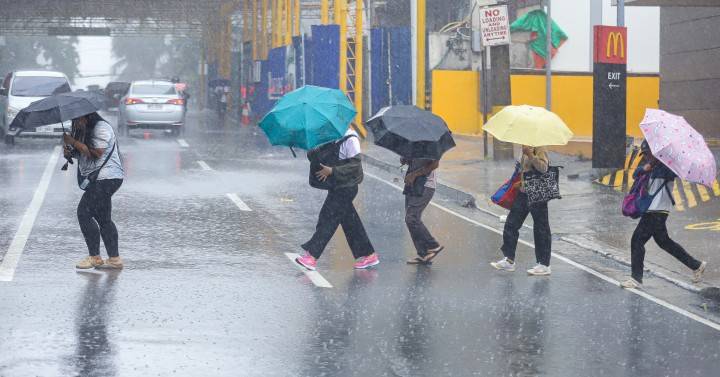
Days of continuous rain can quickly change daily life in the cities.
Roads that were clear the other day have become difficult to pass. Classes are suspended, and small businesses close early. Deliveries are delayed. Families start moving appliances, documents, and valuables to higher shelves. In some communities, people watch nearby rivers more closely than the evening news.
For many Filipinos, this routine has become familiar.
After the disaster
Over the years, conversations with comrades from UAP Resilience Architects across the country have reinforced something I did not fully appreciate earlier in my career. After a disaster, the conversation quickly shifts away from the damaged building.
The store owner talks about lost inventory. The tricycle driver talks about lost income. Parents talk about suspended classes. Families worry about how long their savings will last. The building is only part of the story.
As weather patterns continue to change to extremes, these scenarios are becoming more common. Stronger rainfall events, more intense typhoons, and rising sea levels are seen to increase risks across the country. For an archipelago with extensive coastlines, river systems, and mountain communities, that reality is difficult to ignore.
Location still matters
The good news is that many resilience decisions do not require sophisticated technology. They require better judgment.
One lesson that repeatedly emerges after major disasters is that location still matters.
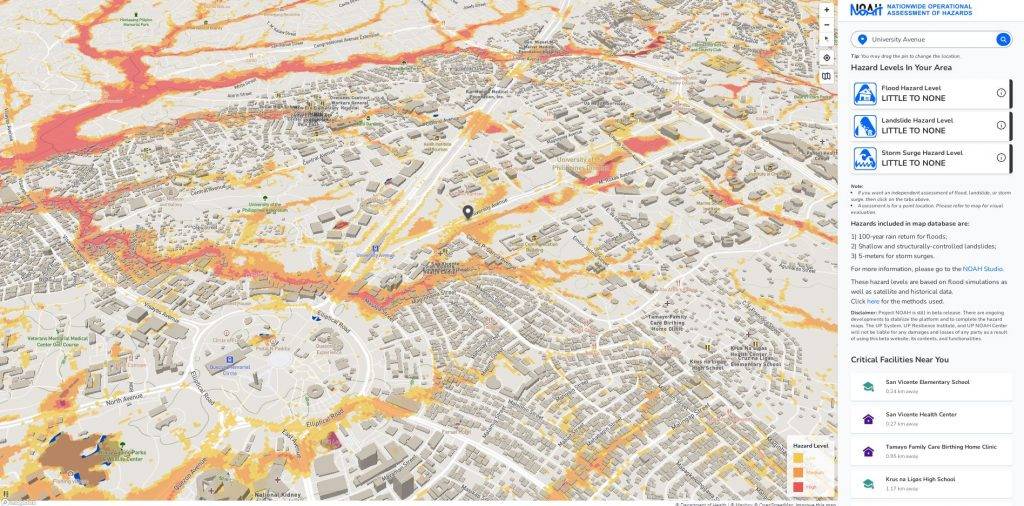
Many property buyers often ask about amenities, accessibility, future appreciation, and nearby establishments. Yet many fail to ask a simple question: What happens here when it rains for three days straight?
Knowing the answer can reveal more about a property’s future than any brochure. Site flood history, drainage conditions, nearby waterways, and landslide susceptibility may not be exciting topics during a site visit, but they can determine whether a property remains functional during extreme weather.
Many costly problems begin with risks that were visible from the start but simply overlooked.
Building with water
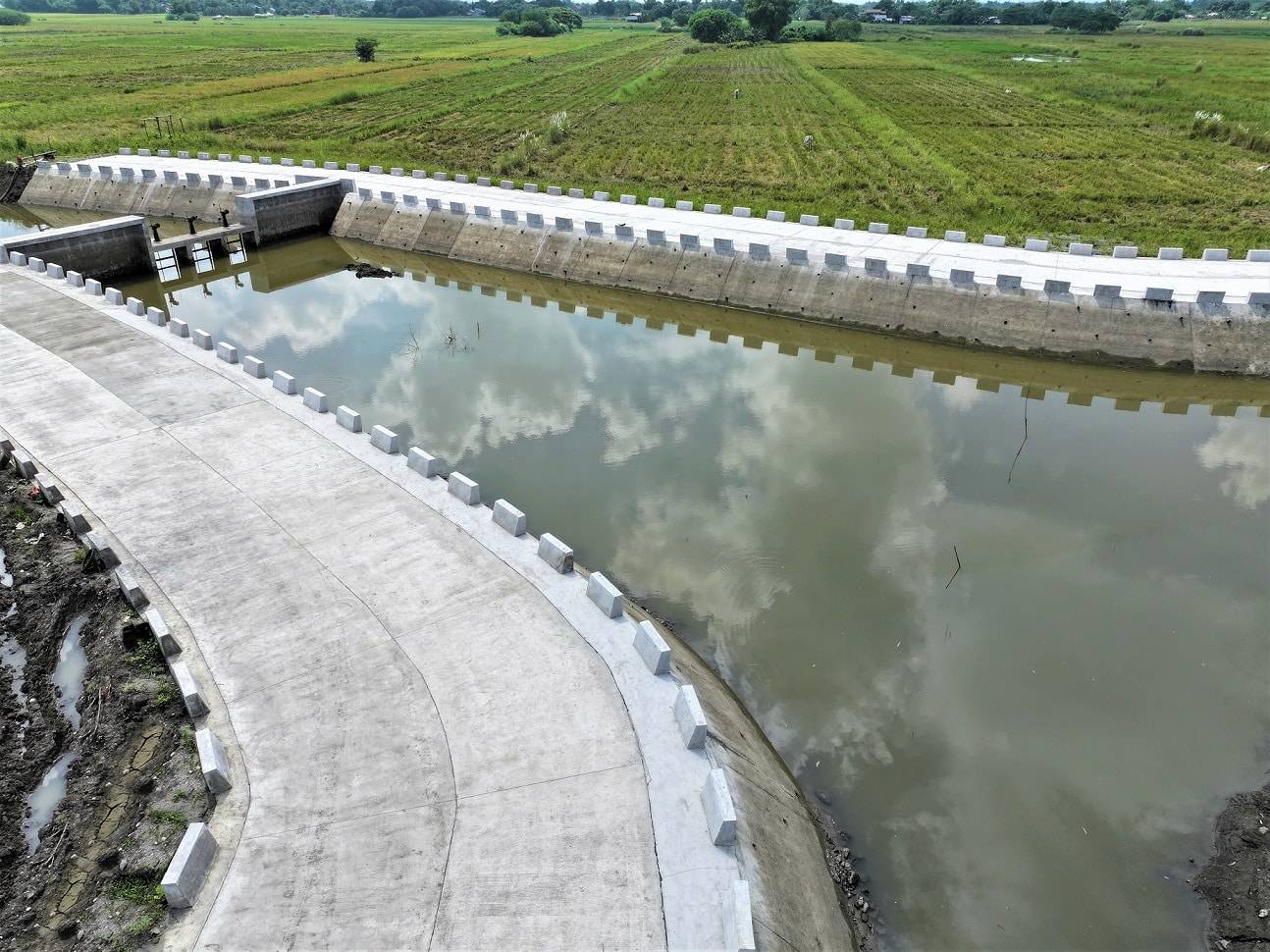
Another lesson involves water. We have become very good at building near water. Sometimes we forget to build with water.
Across the country, many natural drainage paths have gradually disappeared beneath roads, structures, parking areas, and other improvements. Creeks became narrower. Open spaces became paved. Trees were removed. Water, however, continues to follow the same paths it has for decades.
When heavy rainfall arrives, communities are often reminded of where those paths once were. This is why preserving waterways, maintaining easements, protecting vegetation, and providing areas for rainwater infiltration should be viewed as practical investments rather than environmental luxuries.

Simple resilience measures
At the building scale, some of the most effective resilience measures are surprisingly simple.
Electrical systems can be located above expected flood levels. Roof connections can be strengthened against stronger winds. Drainage systems can be maintained before the rainy season instead of during it. Backup power and water supplies can be considered for facilities that depend on continuous operations.
These decisions rarely become selling points, yet they often tell how quickly a family can return home or a business can reopen after a storm.
Perhaps the most expensive resilience measure is the one implemented after a disaster. By then, the opportunities will have already been lost.
The true test of a building is not whether it survives a storm. It is whether the people who depend on it can recover quickly afterward. Because in the Philippines, the next storm is rarely a distant possibility.
It is part of the reality we plan, build, and live with every year. The question is whether we prepare before it arrives.
The author is a LEED Fellow, ASEAN Architect, UAP Fellow, and educator with over 25 years of professional practice in architecture and sustainability


