









How condo living spurs urban mobility


Mobility is the lifeblood of progress. It enables access, exchange, and innovation, which are key in fueling connections and growth.
We saw during the pandemic how travel restrictions weakened the economy and stifled personal and social growth. In recent months, we also witnessed how the global oil crisis has reshaped travel behavior. Individuals and companies have curtailed their trips as soaring fuel prices make mobility less affordable.
But what if mobility were affordable? What if it’s even free?

Compact communities
Condo developments that form part of compact communities, where you can work, play, study, shop, and dine by walking, make mobility free. All it takes is to go down the elevator and you can go about your daily business on foot or by cycling within the immediate vicinity.
By integrating residential, commercial, office, leisure and service spaces into one cohesive community, mixed-use developments foster this “live-work-play” philosophy.
Urban hubs such as Bonifacio Global City in Taguig, Rockwell Center in Makati, and Ortigas Center in Pasig showcase this walkable and well-balanced appeal of mixed-use developments.
Similar compact communities are rising across and outside Metro Manila for practical reasons. By building vertically and stacking up residential units, limited land resources are then freed for other vital uses like parks, playgrounds, and other recreational amenities that boost wellness and create vibrant community life.
Living in this type of neighborhood assures convenient access to one’s destination within the community.
However, there are still instances when one needs to make a trip outside of the locale or when work or school is outside your community. Can condo living still spur affordable urban mobility?
Transport-linked developments
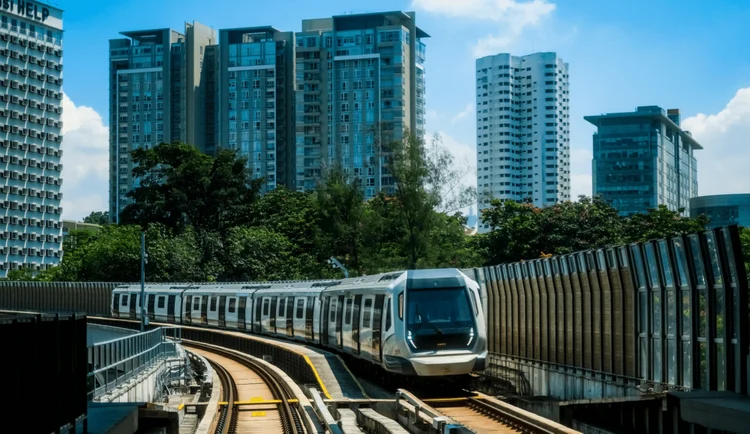
Urban projects that are designed around or along major transit systems and which are connected to mobility infrastructure are commonly known as transit-oriented developments (TODs).
Major transit systems include railways, bus rapid transit (BRT), and integrated road networks.
In Metro Manila, Edsa functions as the primary transport corridor.

It is served by two major public transport systems. First is the elevated train system known as MRT-3, and second is the Edsa Busway or Edsa Carousel, which is a form of BRT system with dedicated median lanes and fixed stations. Several of these stations are directly connected to residential condo projects and mall-based mixed-use developments.
Transport-linked developments extend the “live-work-play” convenience beyond immediate surroundings, enabling residents to reach farther destinations given the ease, affordability, and reliability of transport service.
Location, location, location
Investing in a property requires weighing many factors, and location consistently stands out as among the top priorities. However, condo developments should go beyond offering affordable mobility.
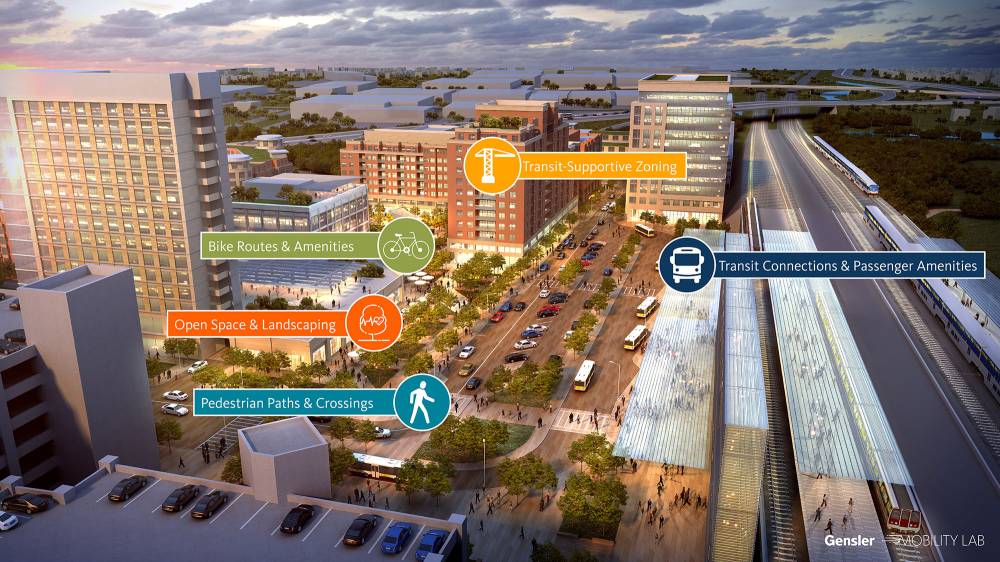
Urban trends reveal that pedestrian-centric design and well-integrated infrastructure also attract condo buyers and tenants. Mobility does not simply mean reaching other urban spaces within minutes. It is about creating journeys that feel safe, comfortable, and memorable.
The author is a senior partner at PRSP Architects


