





Negros teachers go on a trek for their IP pupils

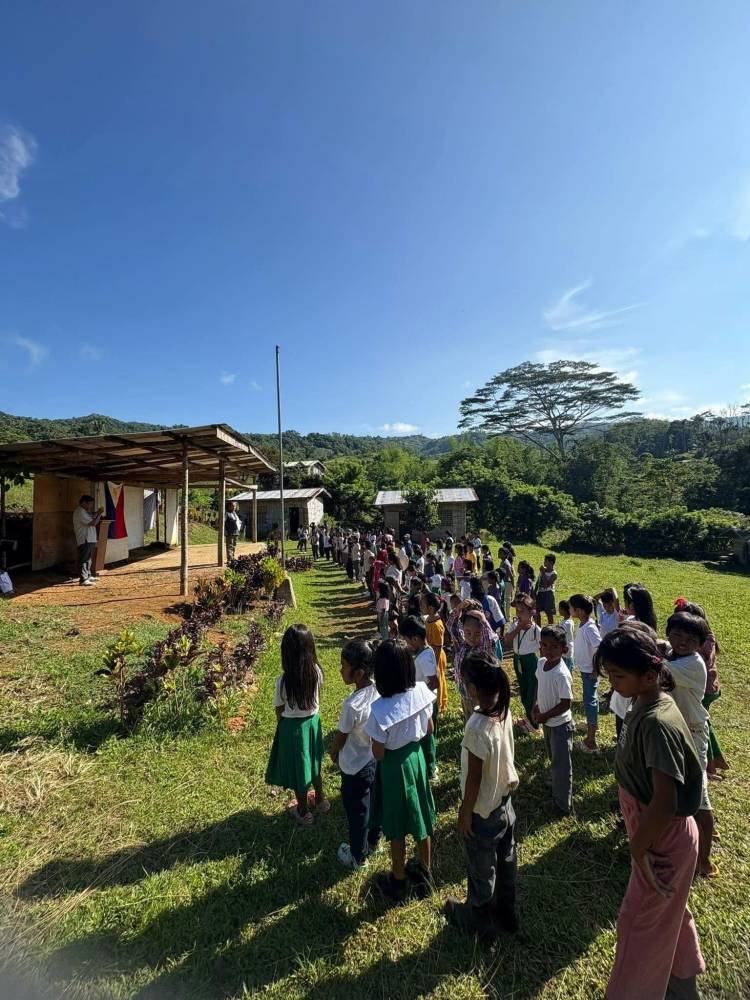
TANJAY CITY—Classes have resumed for the new school year, but for teacher Milton Ramirez, getting to school is a journey that would test anyone’s resolve.
Every Monday before dawn, Ramirez and his fellow teachers leave their homes and travel about 35 kilometers to Sitio Ponglo in Tanjay City, Negros Oriental.
There, they park their motorcycles and begin the most difficult part of the trip—an hour-long trek on foot through rugged terrain to reach Pilipigan Indigenous People Integrated School.
The path is far from easy.
Barriers
To reach the remote school, teachers must navigate muddy trails, cross rivers with strong currents, and climb rocky slopes that become even more hazardous during bad weather. Yet despite the challenges, Ramirez said the sight of eager learners waiting for them makes every step worthwhile.
Nestled in a quiet indigenous peoples’ (IP) community, the school serves children from the Bukidnon tribe, many of whom face significant barriers to accessing education.
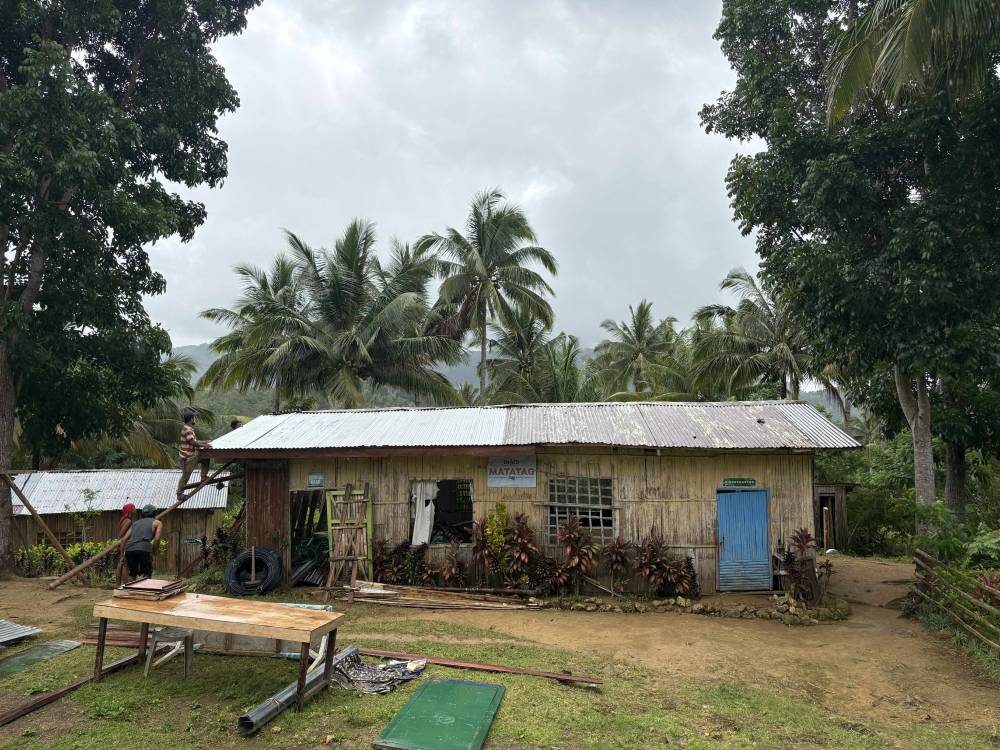
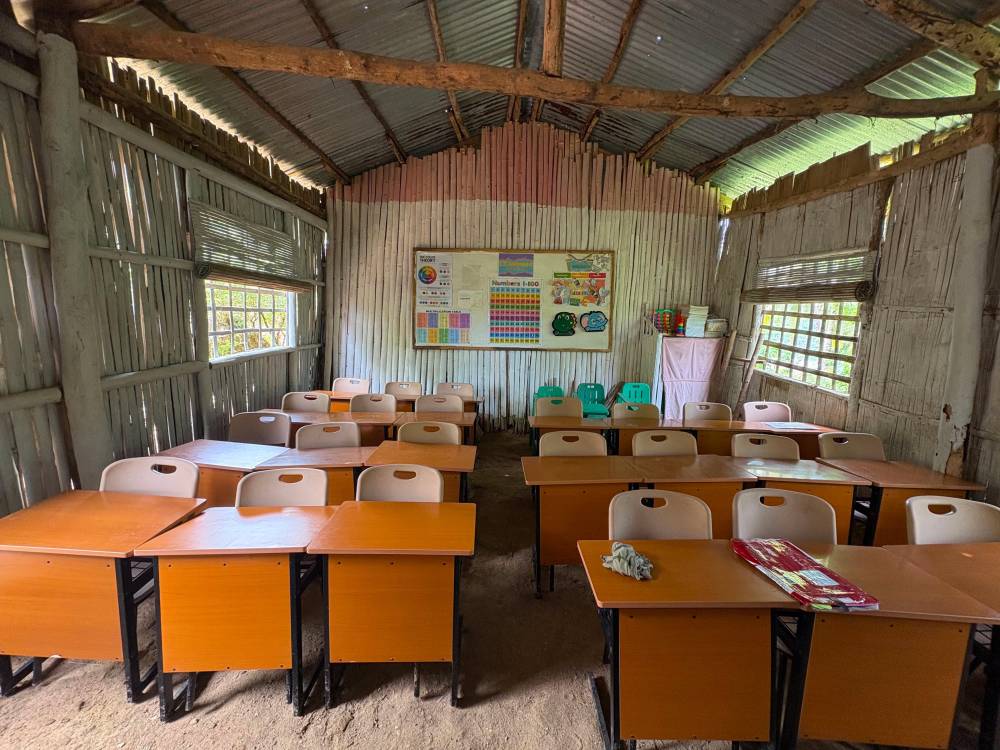
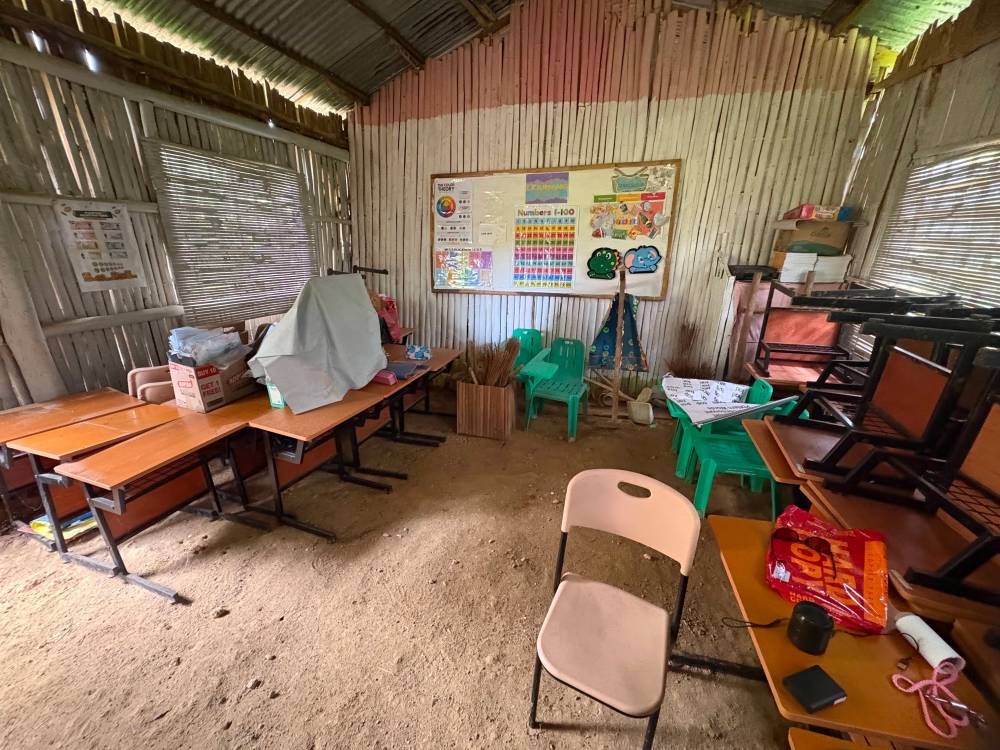
Ramirez teaches Grades 1 and 2 in a makeshift classroom built from bamboo slats and recycled wood. The structure has no concrete floor, leaving students to sit and study above bare soil.
The classroom itself is a product of community effort, constructed through the cooperation of residents and parents determined to provide a learning space for their children.
But the school’s challenges become even more pronounced during the rainy season.
Durable classrooms
“During heavy rains, we sometimes have to stop classes because the classroom gets flooded,” Ramirez said.
Because of this, one of the school’s most urgent needs is a durable classroom building that can withstand harsh weather conditions.
“If there is one donation we always pray for, it is construction materials for a proper classroom,” he told the Inquirer.
For Ramirez, however, the hardships are outweighed by the opportunity to serve a community that often remains beyond the reach of basic government services.
“Teaching in areas like these, though marginalized, gives me a sense of satisfaction I can’t receive from somewhere else,” he said.
Ramirez added: “It humbles me and makes me realize the need to do more for the community and for the children to have better opportunities in the future.”
His commitment extends beyond teaching.
Like many educators assigned to remote areas, Ramirez sometimes spends his own money to support school operations and provide materials needed by learners.
Hospitality
The sacrifices do not end when classes are dismissed.
Because of the distance and difficult terrain, Ramirez and his fellow teachers cannot travel home every day. Instead, they stay in the community throughout the school week, living in simple cottages they built themselves near the school.
There is no electricity. At night, the area is plunged into darkness and silence.
To keep their devices functioning, teachers rely on power banks. Accessing a mobile signal or internet connection often requires walking considerable distances from the school.
Despite the isolation, Ramirez said the warmth and hospitality of the indigenous community continue to inspire him.
The gratitude expressed by parents and learners, he said, serves as a constant reminder of the importance of their work.
“To be honest, I have never thought of surrendering because I know the change I can bring to the lives of my learners,” Ramirez said.
“Sometimes we feel neglected by the system, but if we surrender, who will continue the legacy of the school?” he asked.
Like many public school teachers assigned to geographically isolated and disadvantaged areas, Ramirez is also appealing for better compensation and benefits.
While teachers receive allowances twice a year, he noted that those working in remote and high-risk communities are not granted hazard pay despite the dangers and hardships they routinely face.