








DA cues P20/kg rice for mid-income homes

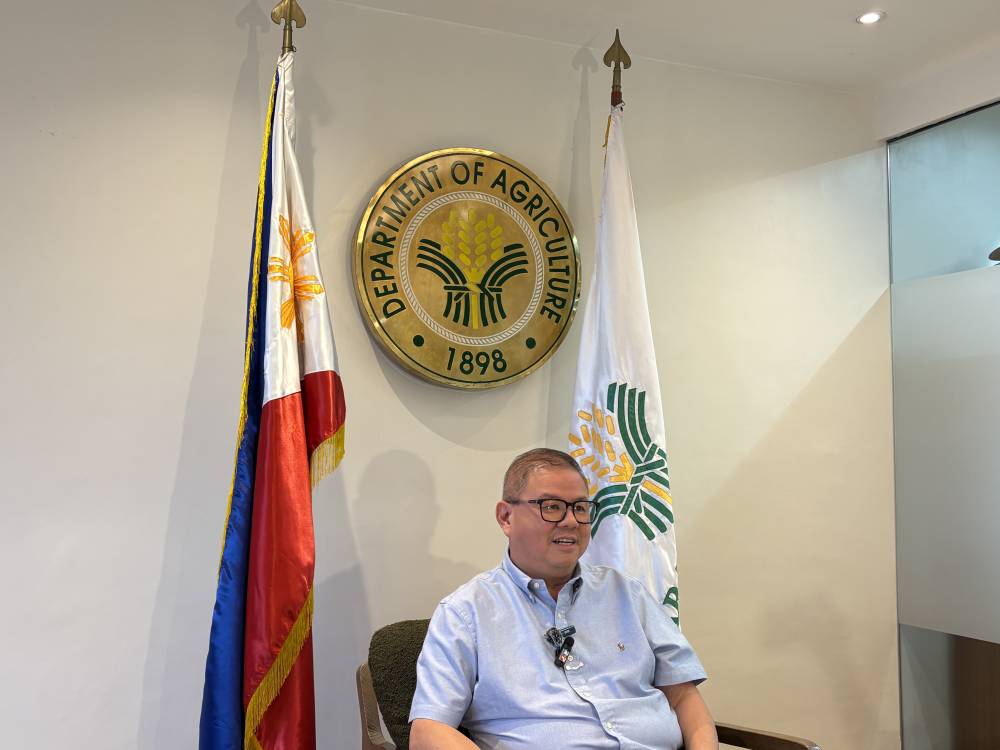
The Department of Agriculture (DA) is preparing to expand the government’s subsidized rice program to include lower-middle-income households and other population groups.
Agriculture Secretary Francisco Tiu Laurel Jr. said the initiative will be launched in about eight provinces between January and February next year. This will start in Pangasinan, covering the middle-income and lower-income households.
The initiative is part of a broader goal to reach 15 million Filipino households by 2026.
“We still have a long way to go, but we have a major launch in January,” Tiu Laurel said in a recent interview.
“For every week of the year, next year, we will release a schedule of implementation of the P20-per-kilogram (kg) of rice for middle-income class, lower middle-income class [and] below,” he said.
The agriculture chief said the DA will coordinate with local governments for the “massive” and province-wide program rollout.
Tiu Laurel also said they will consolidate lists from the Philippine Statistics Authority and local government units to ensure that the initiative reaches eligible households.
Households should register in the digital platform called the P20 Benteng Bigas Masterlist Registry System “to make things smoother [and] faster” and easily account for their purchases.
He also said this will help the agency ensure that the P20 per kg rice sales are properly documented, noting that they will be accountable to the Commission on Audit.
The budget allocation for the subsidized program is P23 billion. Tiu Laurel said it would come from P4 billion remaining from the President’s contingency fund, P9 billion from the National Food Authority and P10 billion from the general appropriations fund.
Since launching the subsidized rice initiative in the Visayas last May, there are now 429 sites that sell cheaper rice. It is now available in all 82 provinces nationwide.
The program is also open to senior citizens, solo parents, persons with disabilities, indigents, indigenous people, minimum wage earners, rice farmers and fisherfolk, tricycle and jeepney drivers, as well as beneficiaries of the Department of Social Welfare and Development’s Walang Gutom program.
Beginning next year, the initiative will cover public school teachers and nonteaching personnel. The DA is also planning to cover other sectors, including security guards and other transport sector workers.
The purchase limit is set at 30 kilos a month for senior citizens and 10 kg per month for other beneficiaries.