







DBP ready to fund Baguio market makeover

Development Bank of the Philippines (DBP) is open to financing the Baguio City government’s planned redevelopment of the public market. This, after a public-private partnership (PPP) deal was shelved amid heavy scrutiny.
In a statement, the state-run bank said the funding could be extended under its Assistance for Economic and Social Development Program for local government units (LGUs).
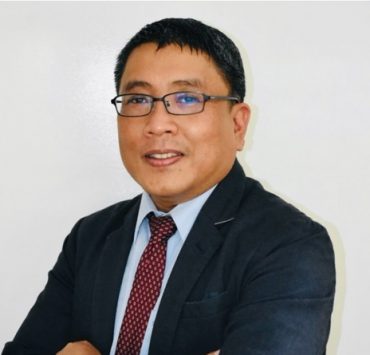
“DBP is keen to support the redevelopment of the Baguio City public market and is prepared to finance the project,” DBP president and CEO Michael de Jesus said.
“As a development bank, we actively pursue local government initiatives that spur economic growth, modernize public infrastructure and provide meaningful support to MSMEs,” he added.
He was referring to micro, small and medium-sized enterprises.
The offer comes after retail giant SM Prime Holdings withdrew its unsolicited PPP proposal to build a P4.5-billion, four-story structure that would have replaced Baguio City’s century-old public market.
The planned facility was meant to house around 4,000 market vendors and would have been operated under the supervision of the city government.
Under the earlier proposal, the Sy-led developer was also set to develop a smaller retail building and an eight-story parking structure as part of a 50-year lease agreement.
The project, first awarded to SM in 2020, drew opposition from residents, vendors and stakeholders. They raised concerns about the “mallification” of the public market. Critics feared the project would privatize public infrastructure and sideline the welfare of small vendors.

Earlier this month, the local government announced it would begin accepting solicited proposals from new investors for the redevelopment project.
Should City Hall pursue financing through DBP, the project would remain publicly led rather than privatized, as the funding would come from a government financial institution.
“DBP is one with the Baguio City leadership in implementing projects that would redound to the benefit of its citizens, even as we look for more avenues of cooperation and collaboration with other LGU partners for their own socio-development programs,” de Jesus said.
As of end-November last year, the state-owned bank had extended more than P165 billion in funding to various LGUs nationwide. This was for projects in education, public health, mobility and access, disaster mitigation and public safety.