









Factory output gained slightly in October

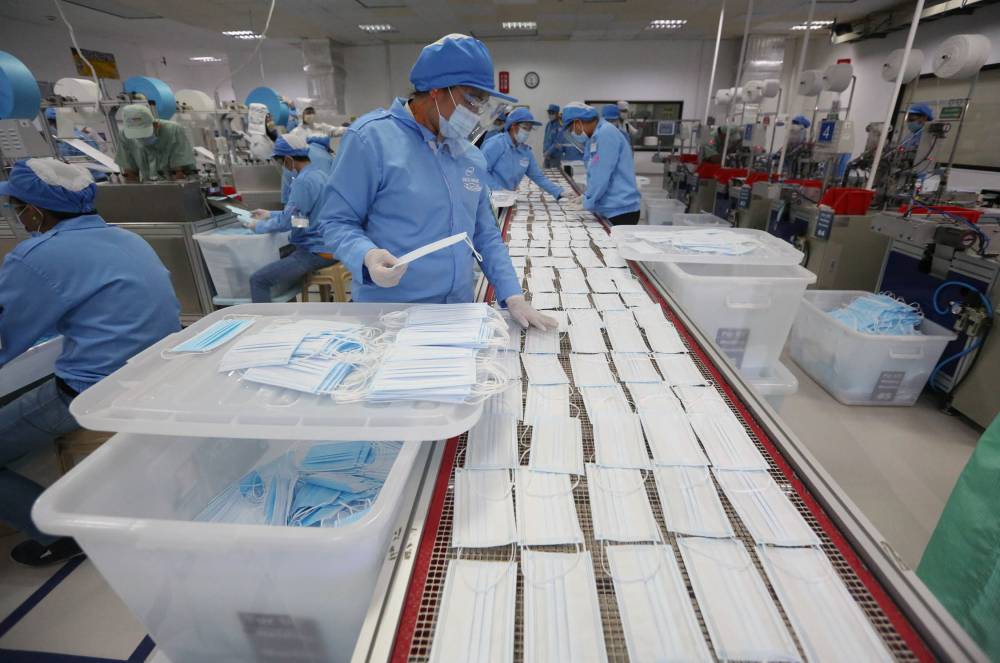
Factory output modestly picked up for the third straight month in October as manufacturers stepped up production ahead of a firmer holiday-season demand.
Latest data from the Philippine Statistics Authority (PSA) showed that the volume of production index, which gauges manufacturing output, had edged slightly higher to 1.4 percent year-on-year in October, from the slow increase of 0.8 percent in the previous month.
Production of computer, electronic and optical products was the main driver of the increase, after jumping to 18 percent in October from 4.2 percent in September.
Meanwhile, chemical products narrowed its annual decline to 24.3 percent from the 32.3 percent in the previous month, which also contributed to the overall rise in factory output.
Swinging back to recovery were wood, bamboo, cane, rattan articles and related products after increasing to 15.8 percent from the 5.7 percent decline in September.
This brought the average capacity utilization rate in the manufacturing sector to rise to 77.5 percent in October from the 77.2 percent in July.
Leonardo Lanzona, economist at the Ateneo de Manila University, said October’s uptick likely reflected the usual holiday-season upswing.
“The increased manufacturing is fundamentally due to increased economic activity during the holidays,” he said.
John Paolo Rivera, senior research fellow at the Philippine Institute for Development Studies, shared a similar view, noting that the pickup aligned with stronger activity in consumer-related goods, food production and other items tied to seasonal demand.
“The holidays likely played a role, as firms usually ramp up production for retail, beverages and packaged goods ahead of peak consumption in November and December,” Rivera said.

Looking ahead, however, S&P Global Ratings reported that the Philippines’ Purchasing Managers’ Index (PMI), also a gauge of manufacturing activity, plunged to a four-year low of 47.4 in November from 50.1 in October.
According to S&P, this marks the “strongest deterioration” in manufacturing conditions, which were mainly due to steep drops in output and new orders, as well as typhoon-related disruptions that slowed production.
Rivera also stressed that the recovery in October remained “modest and uneven,” as manufacturers continued to operate against the backdrop of an economic slowdown and concerns over the widening flood-control corruption scandal.
“The growth is still weak by historical standards because business confidence remains soft, investment is slow and the broader economy is adjusting to delayed public spending and governance concerns,” he added.