










Filipinos seen reducing nonessential spending

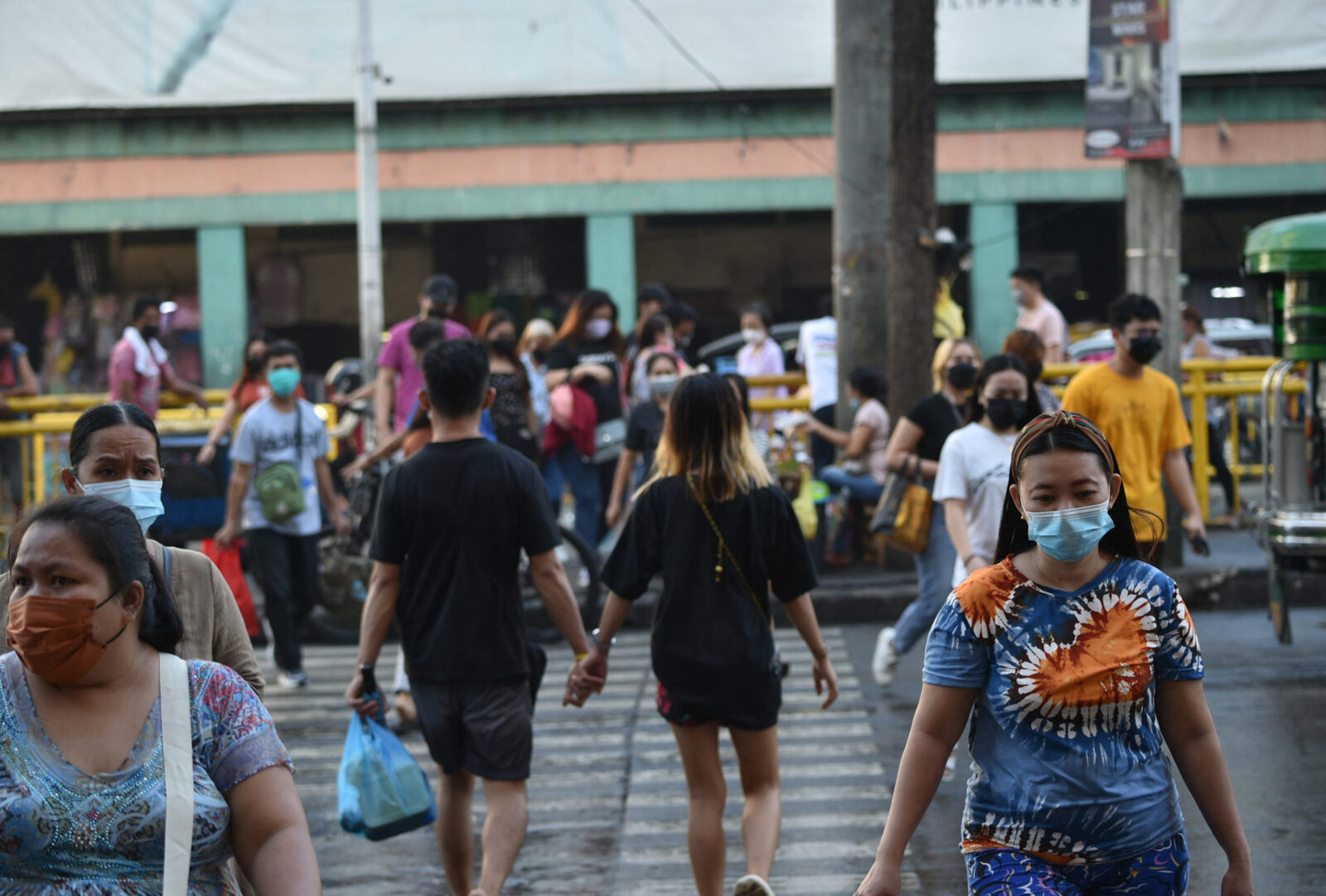
Nonessential expenses are among the first items Filipinos plan to trim amid persistent inflation concerns, compounded by uncertainty tied to the Middle East crisis, according to the latest TransUnion Consumer Pulse Study.
These include spending on dining out, travel and entertainment, with only 26 percent of Filipino respondents saying they plan to increase spending in these categories in the second quarter-down 4 percentage points from the previous quarter.
Spending intentions in other areas also softened. Only 28 percent said they plan to spend more on digital services, while the share of Filipinos looking to increase their retirement funds and savings slipped to 36 percent.
TransUnion Philippines president and CEO Peter Faulhaber said the data point to a more deliberate shift in consumer behavior.
“Not surprisingly, we’re seeing a reduction in what Filipinos are saying about overall spending,” Faulhaber said in an interview with the Inquirer. “Customers are clearly worried about inflation, and they’re telling us they’re going to spend less.”
Unlike during the pandemic, households are now adjusting spending more proactively, he said.
“They are now taking prudent measures to reduce their own spending … which is actually a very positive trend, because it means that customers are now actually thinking about doing something about it themselves,” Faulhaber said.
Inflation is Filipinos’ top concern
At the same time, a larger share of households remain under pressure from essential costs, with 52 percent of Filipinos citing inflation for everyday goods as their top concern over the next six months, up 2 percentage points from the previous quarter.
Philippine inflation has surged, driven largely by oil price shocks linked to the Middle East crisis and a weaker peso.
Job security was cited by 19 percent of respondents, followed by recession concerns at 8 percent.

Despite these pressures, financial resilience appears broadly intact, with 59 percent of Filipinos saying they expect to fully pay their bills and loans, outpacing the 41 percent who said they would be unable to do so.
Overall optimism in household finances also remained robust at 80 percent, with only 7 percent expressing pessimism about their finances in the next year.
This marked the second-highest optimism rate among the 11 markets covered by the survey, behind only Guatemala (81 percent) and ahead of the United States (57 percent), the United Kingdom (47 percent) and Canada (44 percent).
TransUnion is a credit insights firm operating in more than 30 countries. Its latest quarterly Consumer Pulse Survey, which assesses changes in consumers’ personal finances and expectations, is based on 11,398 respondents surveyed from Feb. 6 to March 4.