











Moody’s: SE Asia floods have little impact on reinsurers

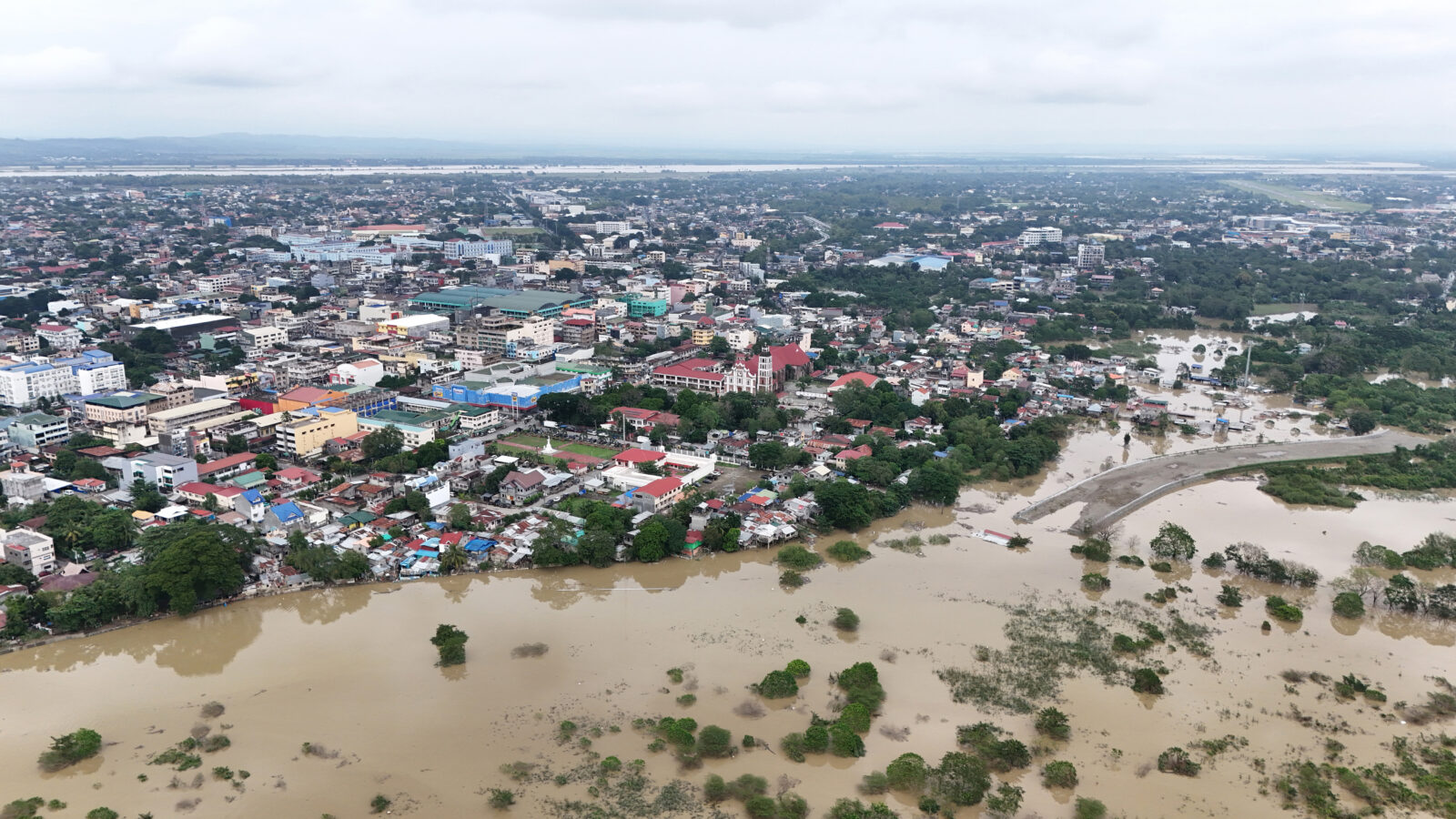
Insurers are likely to feel little effect from the severe floods that battered Southeast Asia, including the Philippines, Moody’s Ratings said, as businesses remain uninsured.
This would mean that the region’s economy continues to be vulnerable against severe weather events and is left to bear the brunt of losses.
“We expect the direct impact on rated (re)insurers from the severe floods across Southeast Asia to be limited, as most economic losses are uninsured and our rated (re)insurers have no concentrated exposure in the region,” Frank Yuen, vice president-senior credit officer at Moody’s Ratings, said.
Reinsurance refers to the protection that insurance companies can buy to insulate themselves from too much losses. Natural disasters have been driving reinsurance prices higher as insurers adjust to the increased risk.
In the Philippines, back-to-back deadly typhoons in recent months have flooded cities and provinces, displacing millions of residents.
Worse, the floods exposed trillions of pesos plundered in government flood control projects.
Catastrophic floods and landslides have also affected Sri Lanka, Indonesia, Thailand, Malaysia and Vietnam. According to the United Nations, nearly 11 million people across the region have already been impacted.
According to Moody’s, extreme weather-related losses are likely to keep reinsurance pricing in Southeast Asia firmer than in other markets and could support higher insurance penetration over the long term.
Still, Moody’s said the region’s extreme weather events were expected to influence the insurance market.

Zooming out, other natural disasters due to climate change such as the wildfires in Los Angeles in January have made reinsurance costs more expensive worldwide.
In an earlier interview, Jose De Vera Jr., head of nonlife reinsurance at the National Reinsurance Corporation of the Philippines, said the country had experienced a “hard market” in the past two years, as reinsurance costs continued to increase.
Still, the Philippine Insurers and Reinsurers Association (Pira) Inc. earlier said that the local nonlife sector remained liquid and ready to cover the benefits of clients in need.
Some insurers continue to cover areas like flood-prone Marikina City and the Bicol Region. But, residents in these zones may face steeper premiums, reflecting both the region’s climate risk and the limited insurance coverage available.